After 15 years in the fashion photography industry, I’ve come to appreciate one thing above all: no artificial light source can quite replicate the subtlety and magic of natural light. From golden-hour portraits to crisp urban editorials, shooting with natural light forces you to adapt, observe, and truly see the way light interacts with your subject, environment and mood.
While studio strobes have their place—and I use them often—natural light fashion photography remains one of the most satisfying and creatively rewarding approaches to image-making. It’s also often underestimated. Let’s change that.
Why Natural Light?
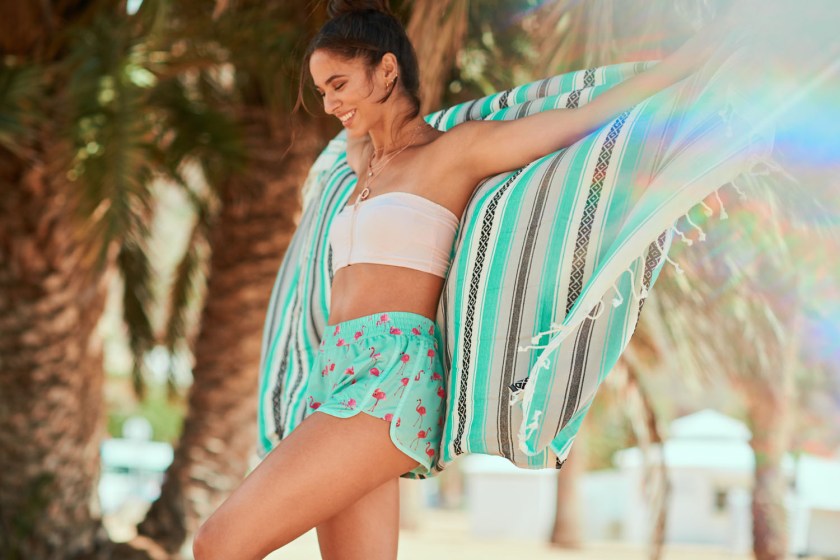
Natural light offers a raw, organic quality that’s difficult to mimic. It adds depth, softness, and realism that fashion clients increasingly crave—especially in today’s visual culture, where authenticity matters just as much as polish.
Here’s why I reach for natural light on many fashion shoots:
It’s portable: No generators, no heavy rigs, no extension leads.
It’s time-based: You have to chase it, harness it, and work with it—there’s a rhythm to that.
It connects with reality: Natural light feels unforced, modern, and honest.
It’s versatile: You can get dreamy and soft or hard and dramatic, depending on conditions.
But make no mistake—natural light doesn’t mean no planning. In fact, it requires just as much skill and intention as working in a studio, if not more!
“Light makes photography. Embrace light. Admire it. Love it. But above all, know light. Know it for all you are worth, and you will know the key to photography.”
— George Eastman, founder of Kodak
Planning Around the Sun
Every natural light shoot starts with understanding when and where you’re shooting. I use sun-tracking apps (like Sun Seeker or PhotoPills) religiously. They help predict the sun’s position, angle and intensity throughout the day—vital information for nailing the light and mood you’re after.
Here are key times I work with:
Golden Hour (just after sunrise and just before sunset): The holy grail of natural light. Warm, low-angle light that wraps beautifully around the face and body, softening shadows and enhancing textures.
Midday: Often avoided by beginners, but with the right tools (more on this shortly), you can turn harsh overhead light into something punchy and fashion-forward.
Overcast Days: A natural softbox. Perfect for even skin tones, diffused highlights and delicate editorial looks.
Essential Gear for Natural Light Shoots
While the sun is your main light source, you’ll want a few tools to help control it:
Reflectors: Essential. I carry a 5-in-1 reflector (white, silver, gold, black, and diffuser) to bounce or block light. Silver adds contrast and brightness, white is softer, and gold gives a warm glow—especially beautiful on deeper skin tones.
Diffusion Panel: For harsh sunlight, a large scrim or translucent diffuser can save the day by softening light falling on your model.
Flags / Black Foam Board: To subtract light and create shadow or dimension. Especially helpful in controlling spill and defining the jawline or cheekbones.
Lens Hood & ND Filters: Lens hoods prevent flares, while neutral density filters allow you to shoot wide open in bright conditions without blowing highlights. It also creates a bit of a buffer for any accidental camera bangs you may encounter whilst “off-road”!
A Fast Lens: I favour primes—50mm f/1.4, 85mm f/1.2, and 35mm f/1.4—because they let me isolate subjects and play with depth of field, even in lower light.
Working with the Light You Have
Great natural light photography isn’t about luck—it’s about observation and adaptability. Here are some go-to approaches I use, depending on conditions:
1. Backlighting
Shooting with the sun behind your subject creates a dreamy, ethereal glow—perfect for romantic or bohemian fashion stories. The key is managing flare and ensuring your exposure is correct for the face. Use a reflector or fill light to lift shadows on the front of the body.
2. Side Lighting
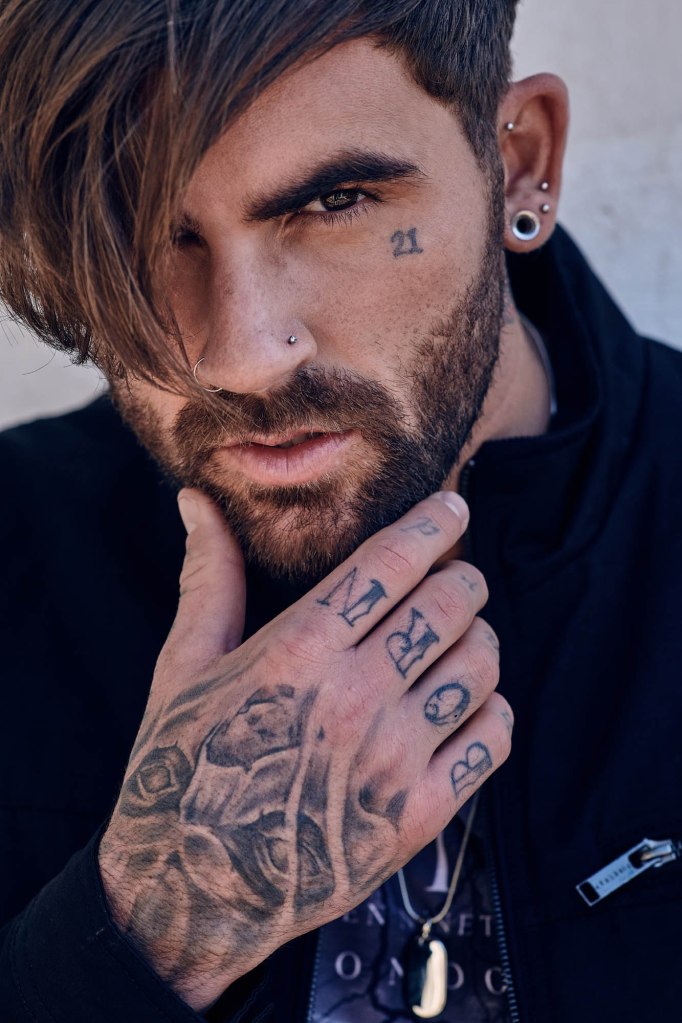
Creates depth and drama by introducing contrast between the lit and shadowed sides of the body. Position the model so light hits them at 90 degrees—this adds sculptural interest and is great for more editorial, moody looks.
3. Window Light
Indoor locations with large windows are a dream. North-facing windows offer consistent, soft light throughout the day. Try placing your subject near the window and adjust angle and proximity for intensity and falloff.
4. Hard Light
Don’t be afraid of harsh sun—use it! Hard shadows can be graphic, modern and fashion-forward. Think 90s Calvin Klein or current high-street campaigns. Just make sure you expose carefully and use shadows to your advantage.
5. Open Shade
If you’re dealing with midday sun, look for open shade—areas just outside of direct light (like the edge of a building, under an overhang, or beside a tree). You’ll get beautiful soft light without the pitfalls of squinting or blown highlights.
Posing and Styling in Natural Light
Natural light calls for natural movement. I often keep the energy flowing on a shoot—encouraging the model to walk, turn, interact with their environment. This creates fluidity and authenticity that shines through in the final images.
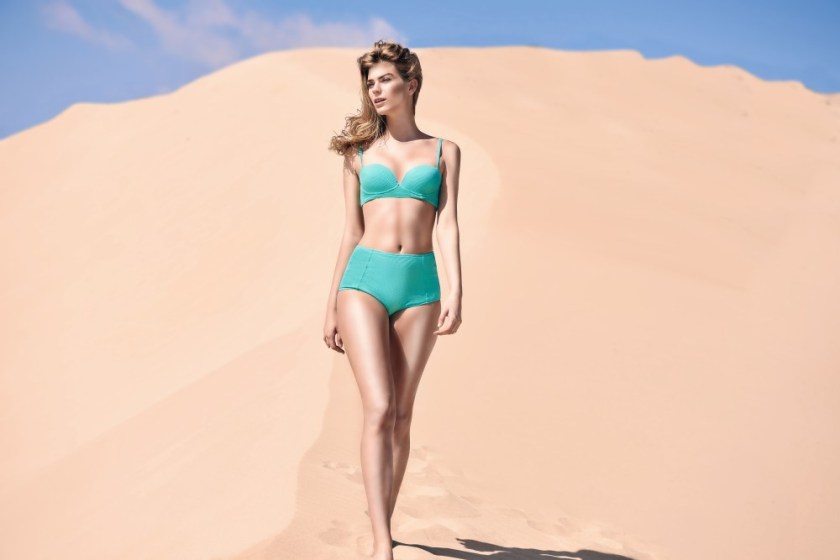
Wardrobe also plays a huge role. Light, flowing fabrics catch the sun and breeze beautifully. Textures—linen, silk, denim—read well in natural conditions. Just be mindful of how colours react to different lighting. What looks vibrant in the studio can look muted under cloud cover or warm light.
Location is Everything
When you’re working with natural light, the location is part of your lighting setup. I look for:
Surfaces that reflect light: white walls, pale stone, sand.
Textures that enhance the mood: concrete for urban grittiness, foliage for softness, architecture for shape and structure.
Negative space: areas where light isn’t bouncing everywhere, giving you contrast and clarity.
Retouching Natural Light Images
Natural light, when used well, gives you images that are already close to final. But be prepared to work carefully in post—balancing highlights and shadows, correcting colour temperature (especially with mixed light), and enhancing skin tones without over-processing.
I tend to keep my edits minimal on natural light fashion shoots. The goal is to elevate what’s already there, not transform it.
Final Thoughts
Natural light fashion photography isn’t just about “making do” without studio lights—it’s an artistic choice. One that, when done right, results in images that are vibrant, authentic, and emotionally engaging. It teaches you to watch light, feel it, and make fast creative decisions based on your surroundings.
If you’re just starting out, challenge yourself to shoot a full editorial using only natural light. Learn how it changes minute by minute, how it behaves on different skin tones, and how to use its constraints to push your creativity.
Over time, you’ll come to see the sun not as a variable, but as a collaborator. And that’s when the real magic begins.
 Bryony Photography