After MANY years behind the lens, one truth has stayed constant: big results don’t always require a big crew. In fact, some of the most efficient, creative, and stress-free shoots I’ve done have involved just a handful of skilled people—sometimes just myself, other times a tightly knit team of four or fewer.
Whether you’re shooting fashion editorials, campaigns, or personal branding portraits, learning how to work light with a minimalist setup is a key skill that will serve you throughout your career. It’s not about having less—it’s about using what you have intelligently.
The Power of a Small Team
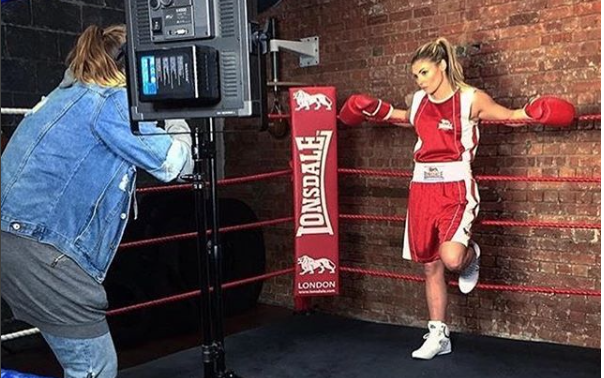
A small, well-coordinated crew can outpace a larger, fragmented one in terms of speed, flexibility, and atmosphere. When the photographer, assistant, makeup artist and hair stylist (often the same person) are all aligned, you get a dynamic environment where everyone contributes meaningfully.
The typical dream-team setup for working light looks like this:
- Photographer – The creative lead, responsible for lighting, composition, and overall direction.
- Photographer’s Assistant – A crucial extra pair of hands, helping with gear, light placement, reflectors, and behind-the-scenes support.
- MUA/Hair – Ideally one multi-skilled individual who understands the brief, maintains continuity, and knows how hair and makeup interact with light and camera.
With this lean configuration, you can work fast, move locations easily, and keep the energy high without compromising on quality.
Lightweight Gear, Big Results
When working solo or with a small team, every piece of kit needs to earn its place. Here’s my go-to light setup when I know I’ll be travelling light or working without studio power:
1. One-Light Setup
A single light (strobe or continuous) with the right modifier can do 90% of what you need. I’ll often reach for a battery-powered strobe Godox AD600 (A high powered portable!), paired with a medium softbox or beauty dish.
This gives me:
- Enough power for outdoor or indoor use
- Reliable, consistent output
- Portability and speed
2. Reflectors and Diffusers
Reflectors are the unsung heroes of small-team shoots. A collapsible 5-in-1 reflector (silver, white, gold, black, diffuser) can bounce or block light with precision and weighs almost nothing. A well-placed reflector can fake a second light source, clean up shadows, or add warmth to skin tones.
A large diffusion panel is also handy when working outdoors—held by the assistant or mounted on a stand, it softens harsh sunlight for more flattering results.
Working Solo? Keep It Simple
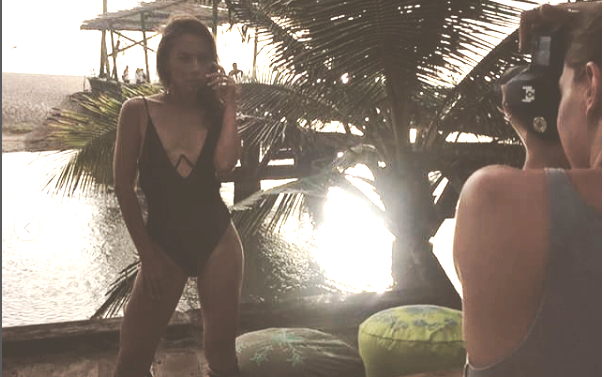
Shooting solo is a creative challenge—but also a creative opportunity. You can work at your own pace, maintain total focus, and build a calm, direct rapport with your subject.
Here’s how I simplify my workflow when working completely alone:
- Pre-light when possible: If you have access to the space in advance, set up and test your lighting so you’re not troubleshooting while the client waits.
- Use lightweight stands with counterweights: A boom arm for overhead light or a reflector arm can extend your setup without another person.
- Tether when possible: It helps spot lighting issues immediately and boosts client confidence when they can see what’s being captured. FYI it is not always possible or sensible to tether, especially on dynamic fast paced shoots.
- Focus on one-light mastery: Learn to work a single light from multiple angles—side, butterfly, backlight—and how modifiers change the mood.
- Posing cues matter: Without an assistant or stylist to adjust hair or wardrobe, develop quick, clear communication to keep things on point.
Team Workflow: Roles and Rhythm
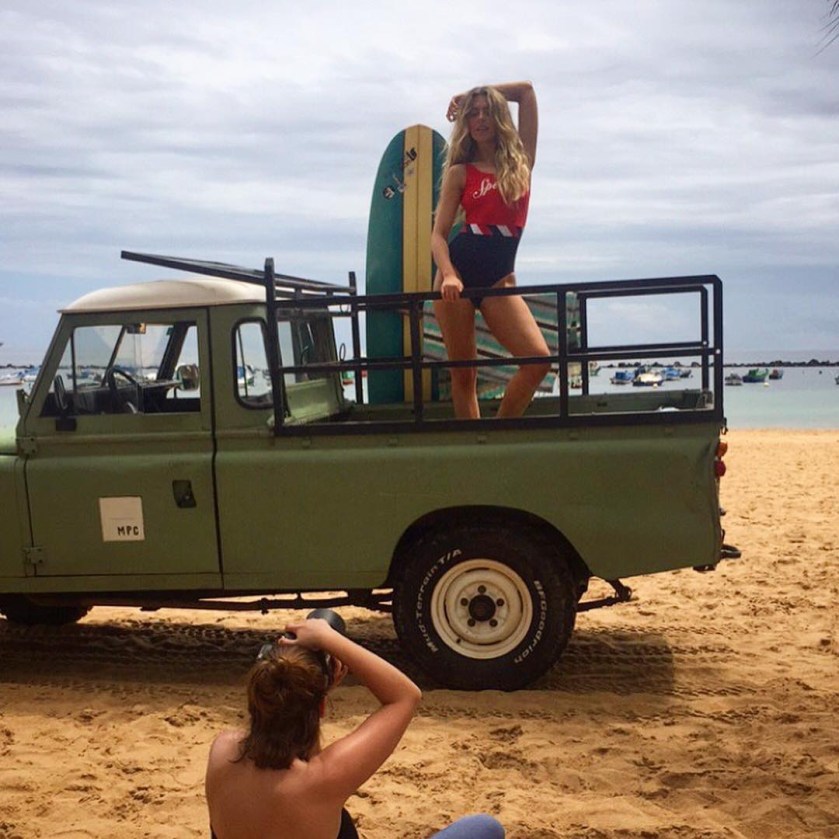
With a small crew, everyone should know their role—but also stay adaptable. Here’s how I typically coordinate the rhythm on set:
- Photographer: Calls the shots, directs the model, adjusts light, and reviews shots.
- Assistant: Sets up and adjusts lighting, holds reflectors or diffusers, tracks time, and handles minor retouches like dusting off clothes or smoothing flyaways.
- MUA/Hair: Maintains continuity, touches up between looks, helps with wardrobe tweaks, and checks for hair shadows or makeup issues in different light.
The key to working light with a small team is communication. A five-minute huddle before the first shot—covering lighting goals, mood, shoot order, and timing—makes a big difference. Everyone feels involved and invested.
Locations and Light
When you’re not lugging heavy gear or relying on generators, you can shoot anywhere. And that opens up incredible creative possibilities.
Some practical tips:
- Scout for light as well as background. White walls, overhangs, light-coloured concrete, and trees with dappled light all become tools in your kit.
- Use interiors with natural light where you can. Large windows, skylights, and bright floors bounce light beautifully.
- Timing is key: Plan to shoot when light is softest—early morning or late afternoon—or use diffusion to manage midday sun.
Styling and Makeup with Light in Mind
Light doesn’t just hit the face—it transforms the whole look. A skilled MUA/hair stylist knows how to create a finish that works with your lighting choice.
Always make sure your MUA is fully informed with moodboards and styling preferences before the shoot so they can prep what to bring, so the makeup complements it—dewy skin for soft light, bold contrast for hard light, etc.
Keeping the Energy Up
Small teams work best when everyone feels connected. Here’s how I keep morale and creativity high on set:
- Check in regularly – “How’s everyone feeling? Need a break?” goes a long way.
- Celebrate wins together – Show previews on the camera or laptop.
- Encourage creative input – Ask the MUA/hair or assistant for styling or shot ideas. Sometimes the best frame comes from a spontaneous suggestion.
- Make sure there is enough food! – Nobody likes to work hungry and some good grub can make the worst of shoots bearable!
- Tunes! – Good music can help keep the mood up when the energy starts to drop towards the end of the day. Get some medium – high tempo music flowing and the energy will rise. Remember, your music taste is not everyones music taste, so keep the playlists diverse!
A smaller crew means more ownership, and that often leads to better results.
Final Thoughts
Working light doesn’t mean working less—it means working smart. It means understanding how light shapes the story, how each member of your crew contributes to the final image, and how to adapt quickly without losing your creative voice.
Whether you’re flying solo or collaborating with a dream team of four, every element on set—light, person, pose, product—matters. When all of those come together under a shared vision, the results can be just as strong as any high-budget production.
Lean setups make you sharper, more observant, and more efficient—and in today’s fast-paced industry, that’s not just valuable. It’s essential.
 Bryony Photography