Why High-Quality Photography Matters for Airbnb and Serviced Accommodation

Boost bookings, attract more guests, and increase trust with professional property photography for Airbnb and serviced accommodation listings.
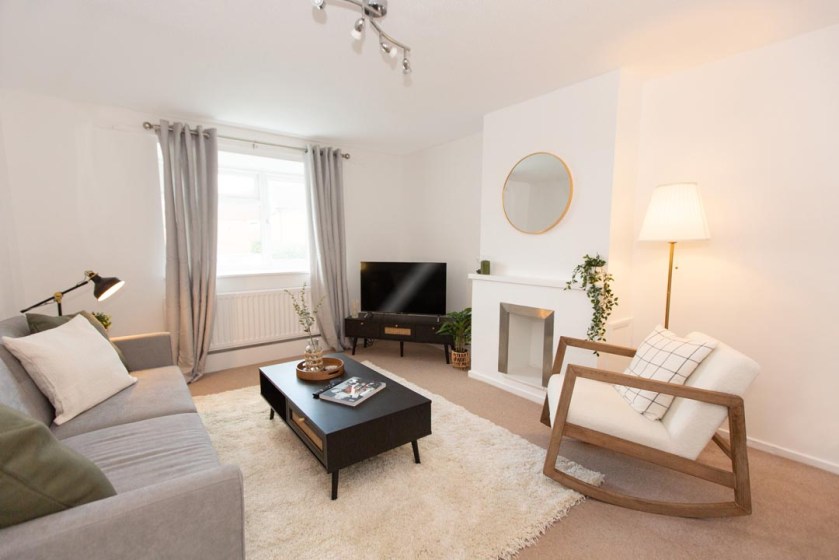
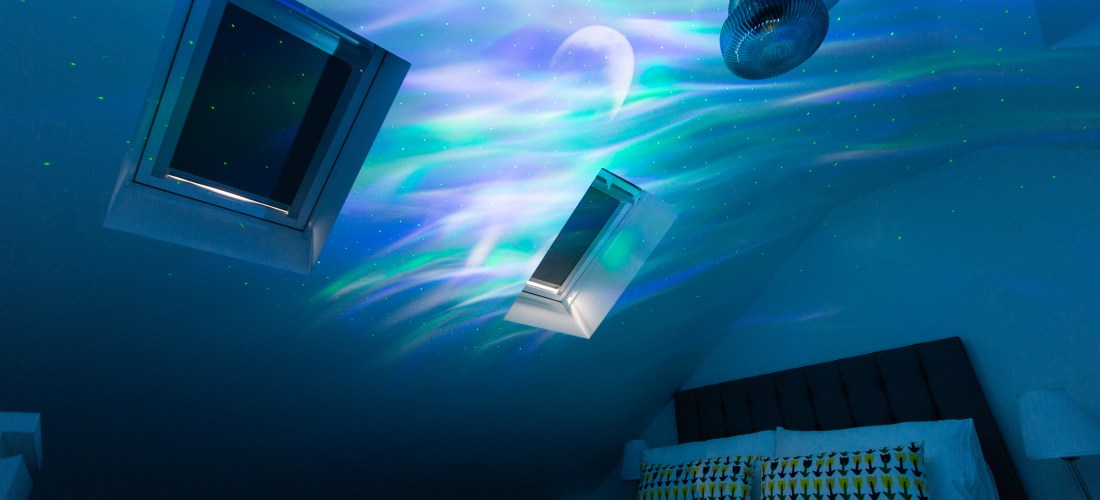
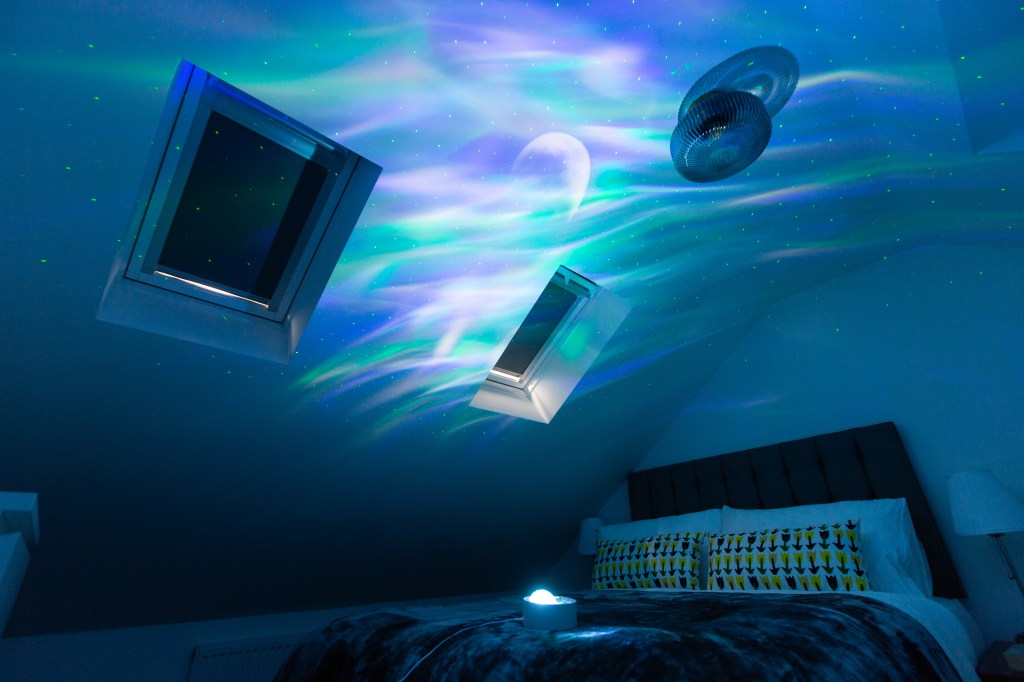
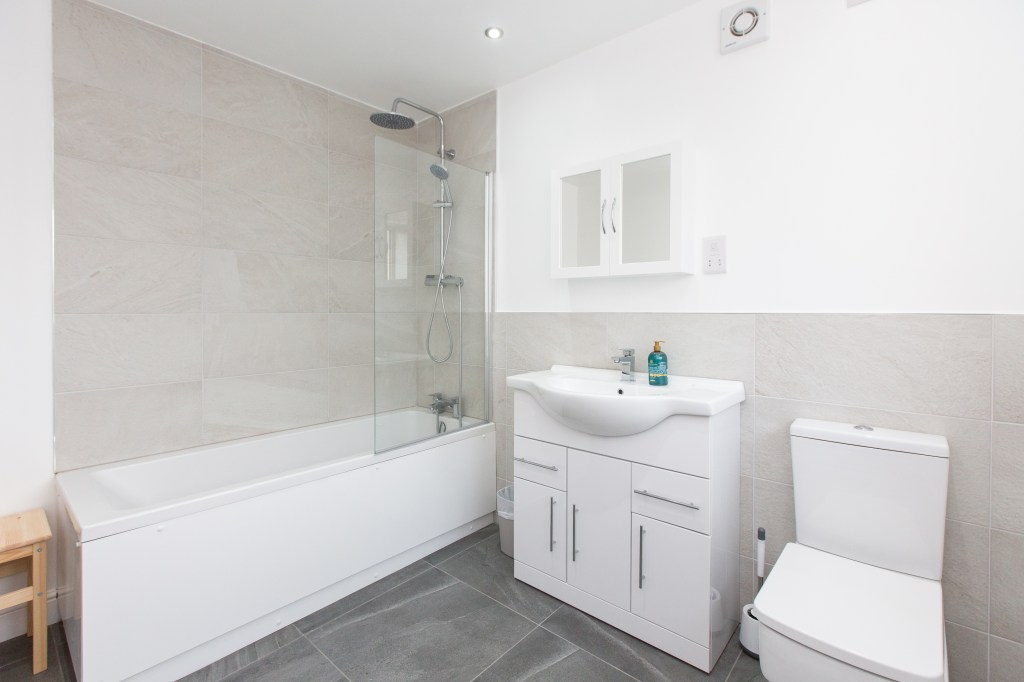
In today’s short-term rental market, first impressions aren’t made at the door—they’re made online. With platforms like Airbnb, Booking.com and direct booking websites overflowing with options, potential guests are making split-second decisions based on what they see. That’s why high-quality property photography is one of the most powerful tools you have to attract bookings, communicate value, and set expectations.

Whether you’re managing a single serviced apartment or running a portfolio of Airbnb properties, professional photography isn’t just a nice-to-have—it’s a business essential.

1. Your Photos Are Your First Impression

Before a guest reads your reviews, scrolls through your amenities or checks your location, they’re looking at your photos. According to Airbnb’s own research, listings with professional photos get significantly more views and bookings than those without.

Strong imagery grabs attention in a crowded search result. It sets the tone. It tells a story about your space. And most importantly, it helps guests imagine themselves there—relaxing, unpacking, and settling in.
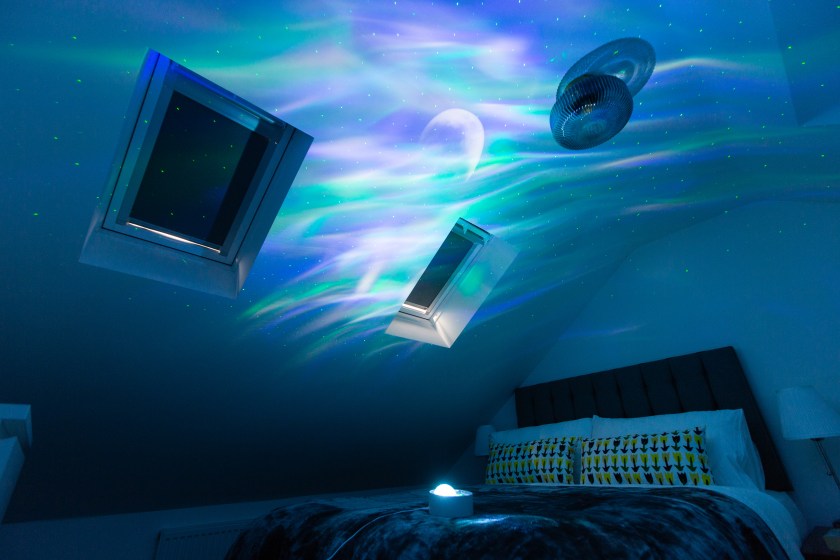
2. You’re Selling More Than a Space—You’re Selling a Feeling

Good photography shows a room. Great photography shows how it feels to be in that room.

Clean lines, soft natural light, thoughtful composition—these elements work together to build atmosphere. A well-shot set of images can make even modest accommodation look inviting, warm, and well cared-for.

By showcasing how your space flows, how light moves through it, or how considered your design choices are, you’re offering more than shelter—you’re offering experience. And that’s what guests are really paying for.
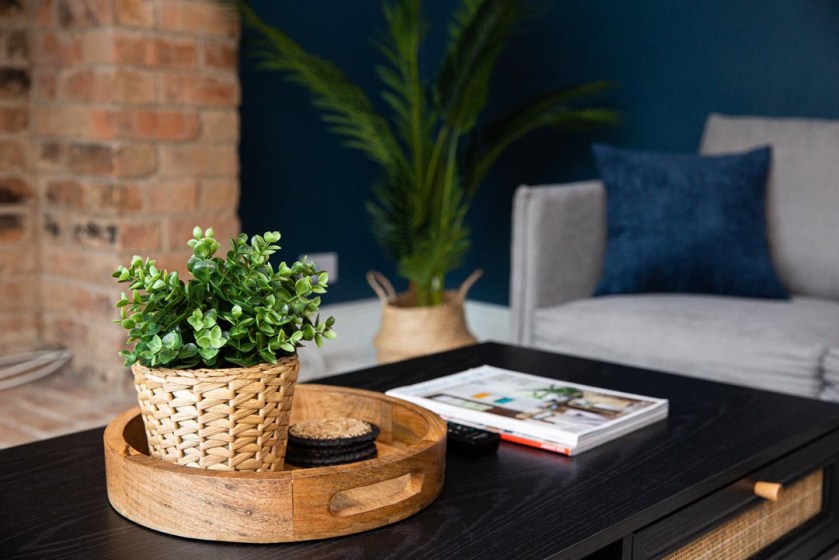
3. Better Photos Mean Higher Bookings (and Higher Rates)

High-quality photography has a direct impact on your bottom line. Listings with polished, professional visuals tend to:

  • Attract more views and clicks
  • Convert those views into bookings at a higher rate
  • Justify higher nightly prices
  • Receive fewer questions or misunderstandings about the space

This isn’t just about vanity. It’s about making sure the time and effort you’ve put into furnishing, styling and maintaining your property is reflected in how it’s perceived online.
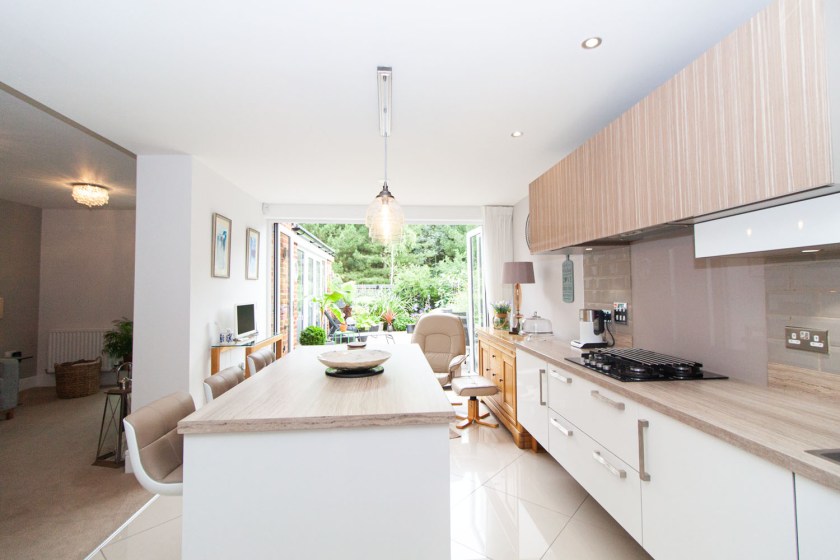
4. Accuracy Builds Trust

Professional property photography isn’t about making your space look bigger than it is—it’s about presenting it honestly, but at its best.

Good composition, balanced lighting and clean editing help you show each room clearly, accurately, and attractively. Guests want to know what to expect. When your images deliver on that, they arrive feeling confident—reducing the chances of disappointment, negative reviews, or unnecessary back-and-forth before check-in.

5. You Only Need to Do It Once (Properly)

Unlike daily cleaning or guest communication, photography is a one-time investment that continues to deliver value over time.

Unless you undergo a major renovation or style change, a professional image set can serve you for months—or even years. It can be used not just on Airbnb or Booking.com, but across your website, social channels, printed materials and more.

It adds polish to your entire brand—and helps your listing stand out in a marketplace where many hosts still rely on phone snapshots and unedited wide-angle shots.

What to Expect From a Professional Property Shoot

A property photographer experienced in short-term lets will know how to:

  • Use natural and artificial light to balance interior and exterior exposure
  • Choose compositions that make sense for guests (not just estate agents)
  • Capture detail shots that showcase texture, cleanliness and design flair
  • Style as they go—tidying, fluffing, straightening to ensure every frame feels intentional
  • Retouch thoughtfully—cleaning up marks, correcting perspective, and balancing colour without making the images feel artificial

Many photographers also offer quick turnaround, batch delivery for multiple listings, and licensing that allows you to use your images across platforms without restriction.

Final Thoughts

In the world of Airbnb and serviced accommodation, you’re not just selling a place to sleep—you’re selling a guest experience. High-quality photography helps you capture the essence of that experience in a way that words can’t.

It builds trust. It improves your booking rate. It gives you a competitive edge in a crowded market. And most importantly, it sets a professional tone that reflects the care and pride you put into your space.

If you’re serious about maximising your property’s potential, investing in strong photography is one of the smartest decisions you can make, get in touch today for a quote.
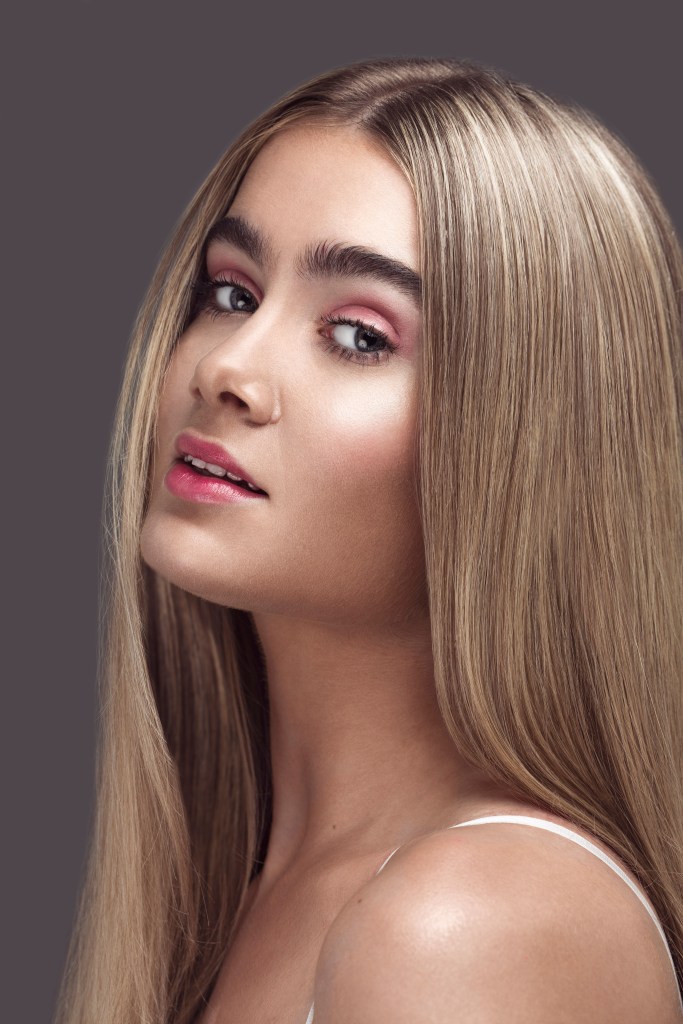
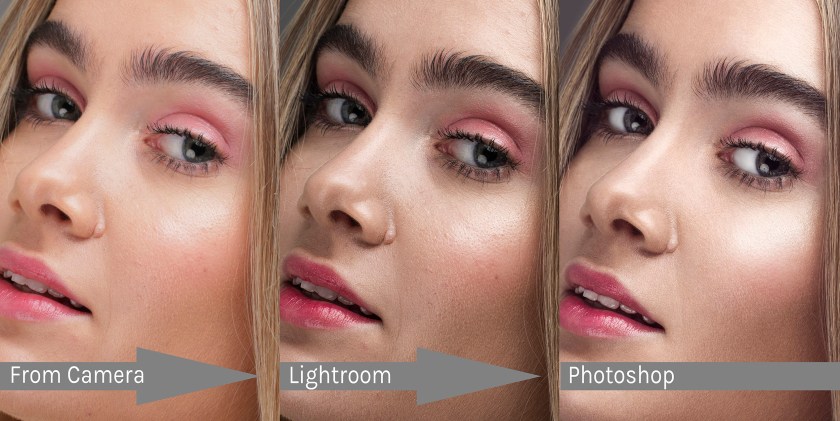
Mastering Beauty Lighting: The Power of Butterfly Lighting in Portrait Photography

As a professional photographer with over 15 years in the industry, I’ve had the pleasure (and challenge) of working across almost every genre of portraiture—from gritty street editorials to high-glamour beauty shoots. One technique I find myself returning to again and again, especially when aiming for that clean, classic beauty aesthetic, is butterfly lighting. Elegant in its simplicity yet endlessly effective, butterfly lighting is a foundational lighting style every portrait photographer should master.

What is Butterfly Lighting?

Butterfly lighting, also referred to as Paramount lighting (named after the Hollywood studio that popularised it), is a frontal lighting setup where the key light is placed above and directly in front of the subject’s face. The name “butterfly” comes from the small butterfly-shaped shadow that’s cast directly under the nose.
It’s particularly favoured in beauty and glamour work for its flattering effect—it sculpts cheekbones, refines the jawline, and minimises shadows that can create unflattering lines or textures in the skin.

Why Use Butterfly Lighting?

The appeal of butterfly lighting lies in how it flatters most face shapes—especially those with strong cheekbones or symmetrical features. It adds a touch of drama without being too directional or harsh. It’s also incredibly versatile and can be adjusted to suit different moods with the addition of modifiers or supporting lights.

In beauty work, where the focus is often on flawless skin, makeup, and expression, butterfly lighting offers a soft yet dimensional quality that feels high-end. It makes the eyes sparkle, adds a bit of glow to the forehead and cheeks, and subtly enhances facial structure without overcomplicating the setup.

The Classic Setup

To achieve classic butterfly lighting, you’ll need a single key light source—usually a softbox or beauty dish—mounted slightly above eye level and angled down towards the subject’s face. You want to maintain a symmetrical light falloff, keeping the central axis of the light aligned with the subject’s nose.

Here’s a simple walkthrough of the classic setup:

Key Light: A beauty dish or medium softbox works best. Place it slightly above the subject’s head, centred, and tilted down at about a 45° angle. The closer the light, the softer the shadows.

Reflector (Or Fill light): Place a white or silver reflector just below the subject’s face, out of frame, to bounce light back upwards. This fills in shadows under the chin and eyes, giving a more polished and editorial look. A more dramatic version of this is to have a softbox picking up the shadows – dead easy for a sitting model to just pop it straight on the floor! (See the advanced variations below)

Background: Keep it simple—a seamless paper or lightly textured backdrop works well. You want the focus on the subject’s face and expression.

I typically start with just the key light and reflector to see how the light plays across the face, and adjust from there.

Light Modifiers and Tools

One of the joys of butterfly lighting is how well it responds to subtle modifications. A beauty dish, in particular, gives a crisp, signature look that’s become synonymous with fashion and beauty photography. If you’re after softness, go with a larger softbox or octabox. For more contrast and punch, a silver beauty dish or even a bare bulb strobe can do the trick—just keep a close eye on the shadows.

Diffusion is key in beauty work. Whether you’re using a scrim in front of your beauty dish or layering diffusion fabric, softening the light source helps to smooth skin and reduce texture without losing dimensionality.

Posing Considerations

Since butterfly lighting is symmetrical, it naturally lends itself to direct, frontal poses. Ask your subject to face forward, keep the chin slightly down, and engage the eyes with the lens. This adds intensity and confidence to the shot.

However, don’t be afraid to play. Slight head turns, subtle tilts, and changes in eye line can shift the entire mood of the image, even within this symmetrical framework.

When to Use Butterfly Lighting

Butterfly lighting is a staple in:

Beauty campaigns and editorials

Headshots and commercial portraits

Cosmetics and skincare product marketing

Classic Hollywood-style glamour shots

Actor or performer portfolio work

That said, it’s not ideal for every face shape or context. Subjects with deep-set eyes, strong under-eye shadows, or prominent noses may find the shadows exaggerated with this style. In such cases, a small shift to clamshell lighting (adding a fill light from below rather than just a reflector) can balance the exposure beautifully.

Advanced Variations

Once you’ve mastered the basic butterfly setup, experiment with these common variations:

Clamshell Lighting: Add a second light (or use a silver reflector) below the face to fill shadows and create a glowing effect—ideal for high-end beauty work.

Edge Lights / Kickers: Place small stripboxes or reflectors behind and to the sides of the subject to accentuate the jawline or add separation from the background.

Coloured Gels: Introduce subtle tints in your background or kicker lights for a modern, editorial twist.

Hard Light Butterfly: Replace the softbox with a bare bulb or silver reflector to increase contrast and texture for a more dramatic portrait.

Retouching Considerations

One of the advantages of butterfly lighting is how “retouching-friendly” it is. Even before you open Photoshop, you’re starting with great skin tone, flattering light falloff, and minimal distractions. That means less frequency separation or dodging and burning, and more focus on fine-tuning the details.

But be cautious: because butterfly lighting places a lot of attention on the central features of the face, any slight blemishes, uneven skin tone, or flyaways become more noticeable. A clean base (well-applied makeup, good skin prep, and lens-clean lighting) will always be your best asset.

Final Thoughts

Butterfly lighting is one of those timeless techniques that’s easy to learn but takes practice to truly master. It’s about more than just positioning a light—it’s a study in subtlety, control, and intention. Whether you’re shooting a close-up beauty campaign or a portfolio headshot, this style of lighting gives you a rock-solid foundation to build on.

As with all techniques in photography, don’t treat butterfly lighting as a rulebook—think of it as a starting point. Once you’ve got it down, push it, bend it, and make it your own. Great lighting isn’t just about shadow and highlight—it’s about mood, emotion, and storytelling.

So next time you’re on set, take a moment to try a butterfly setup. Watch how the light shapes the face, how it captures the eyes, and how even a minimal setup can yield stunning, professional results.

Happy shooting.

Property Photographer in Nottingham: Capturing Neurodivergent-Friendly Accommodation for Diverse Nation

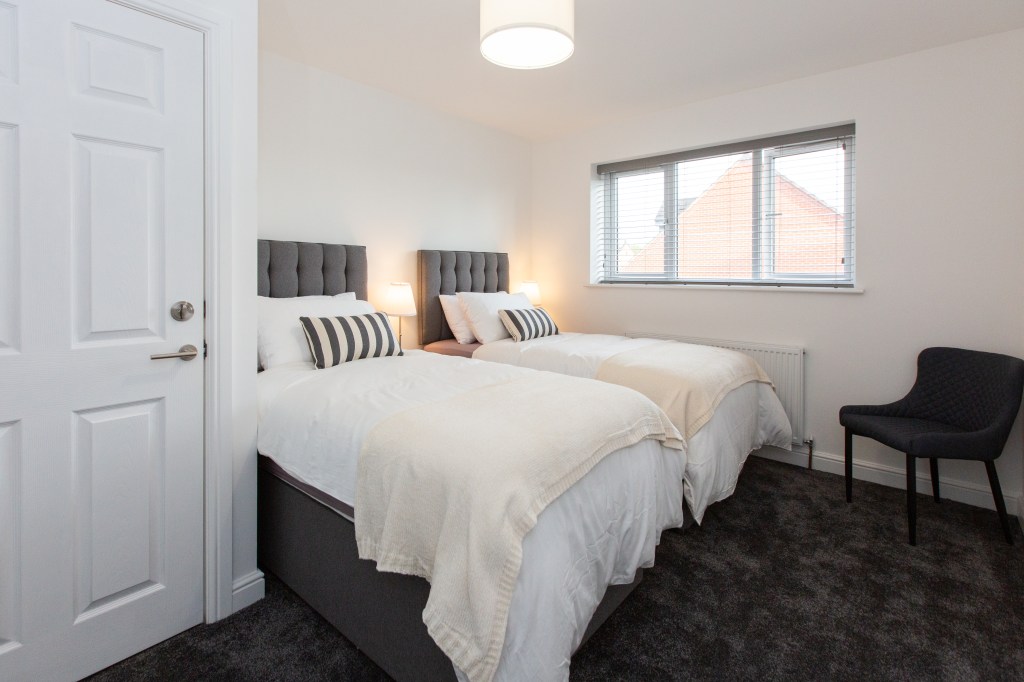
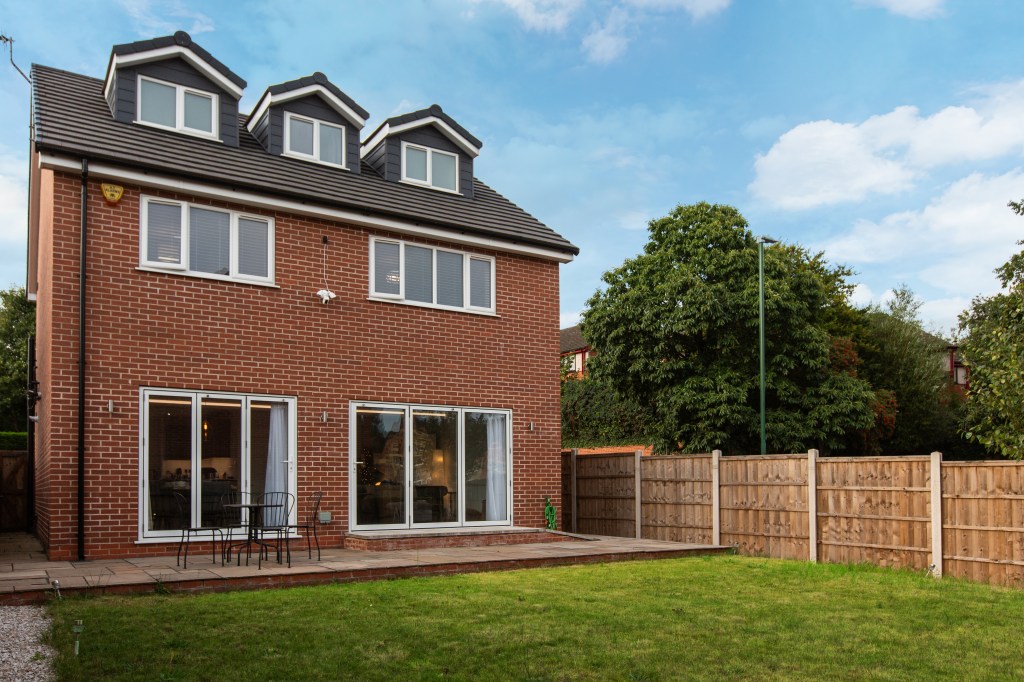
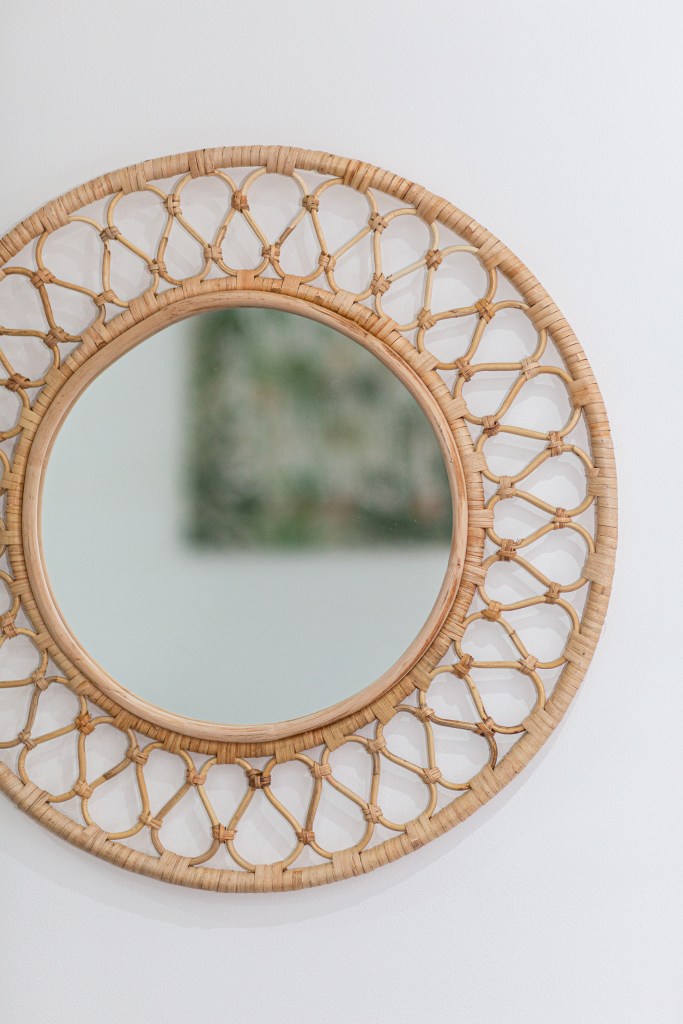
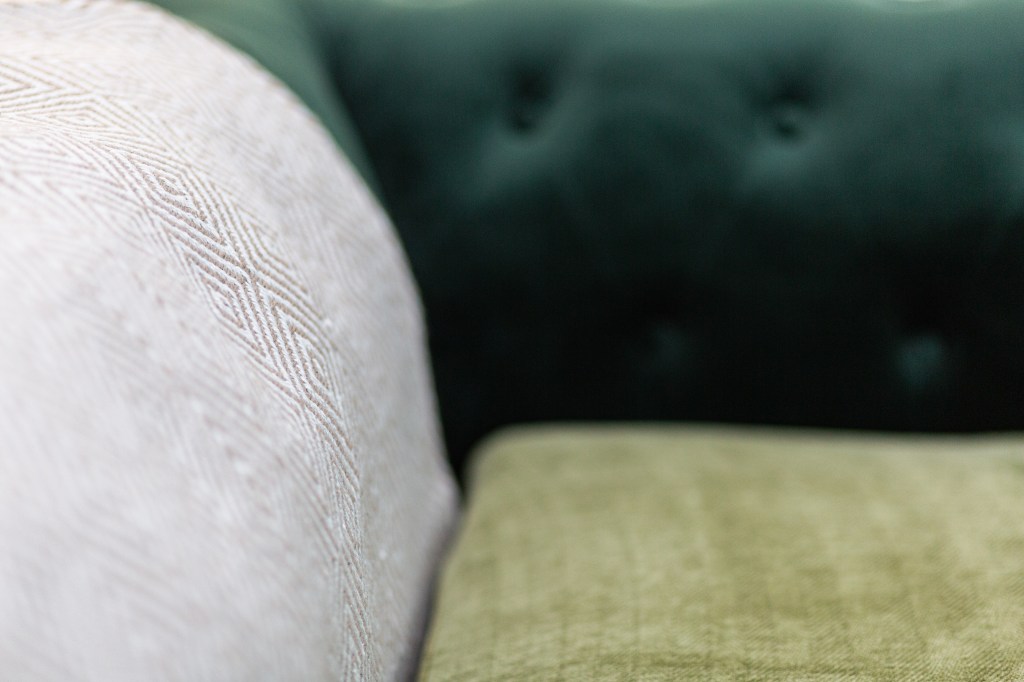
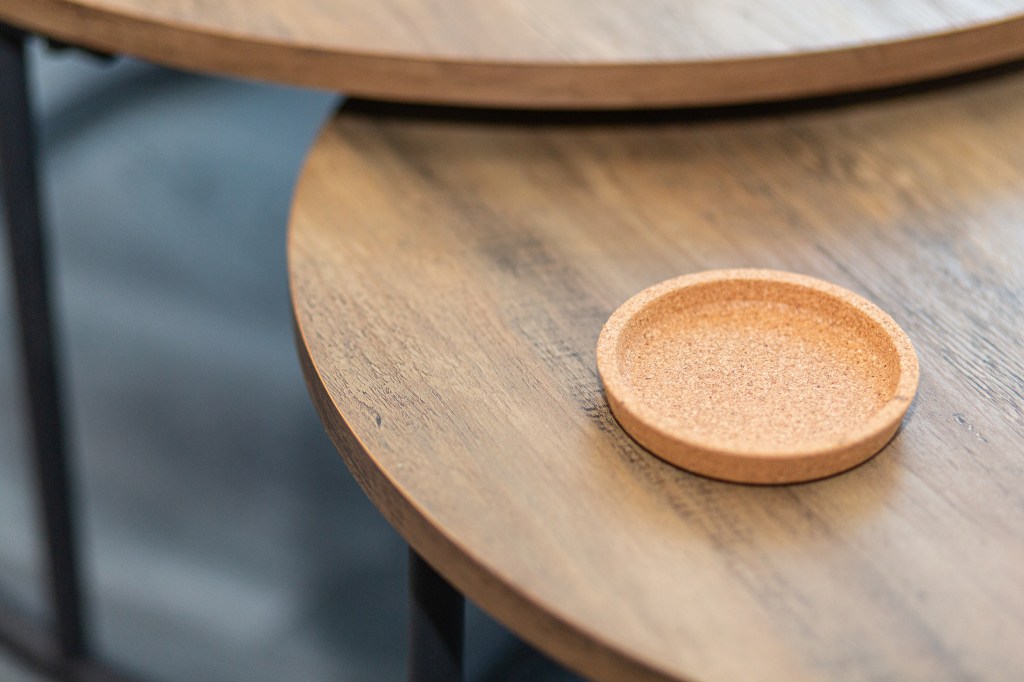
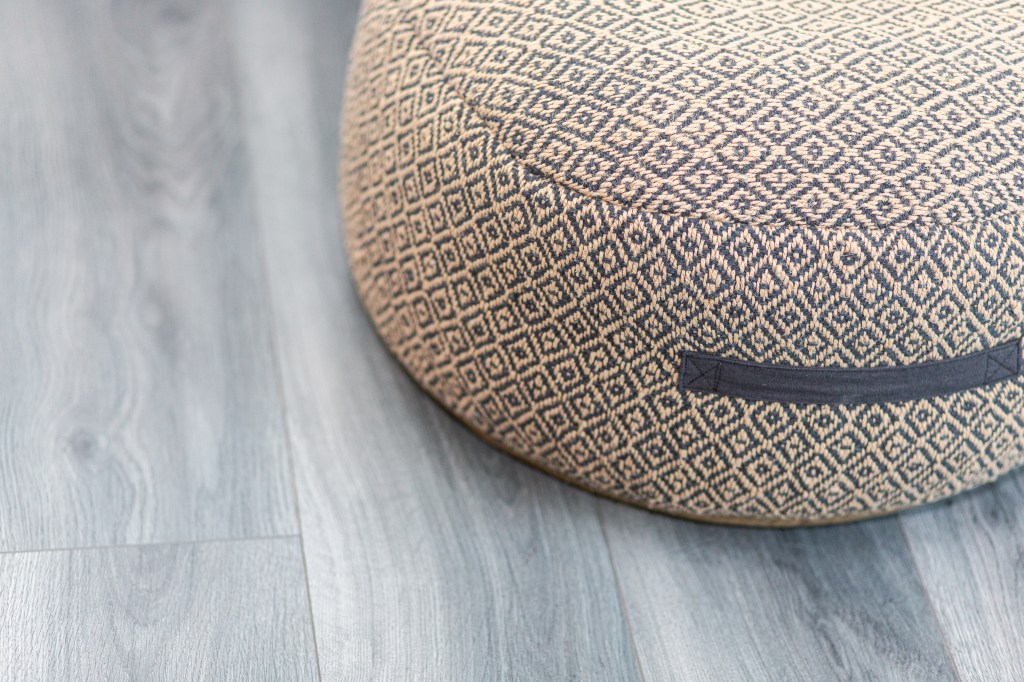
As a photographer, every project brings a unique story and purpose. Recently, I had the privilege of working with Diverse Nation, a company committed to creating inclusive and accessible spaces for all, on thier flagship project:, The Big Cosy, a serviced accommodation in Nottingham designed specifically to be neurodivergent-friendly.

This spacious property wasn’t just about traditional aesthetics or standard functionality; it was about creating a truly welcoming and comfortable environment tailored to the needs of neurodivergent individuals. From sensory-sensitive lighting to thoughtful layouts and quiet spaces, the accommodation provides an experience that prioritises comfort and safety, offering neurodivergent guests a space where they can genuinely feel at ease.

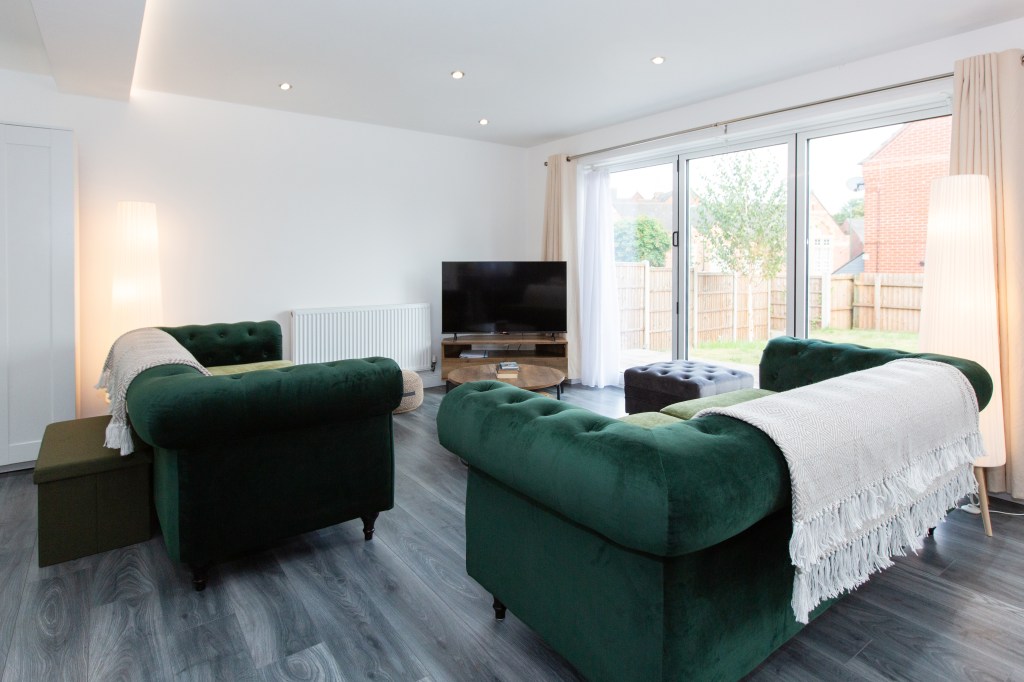
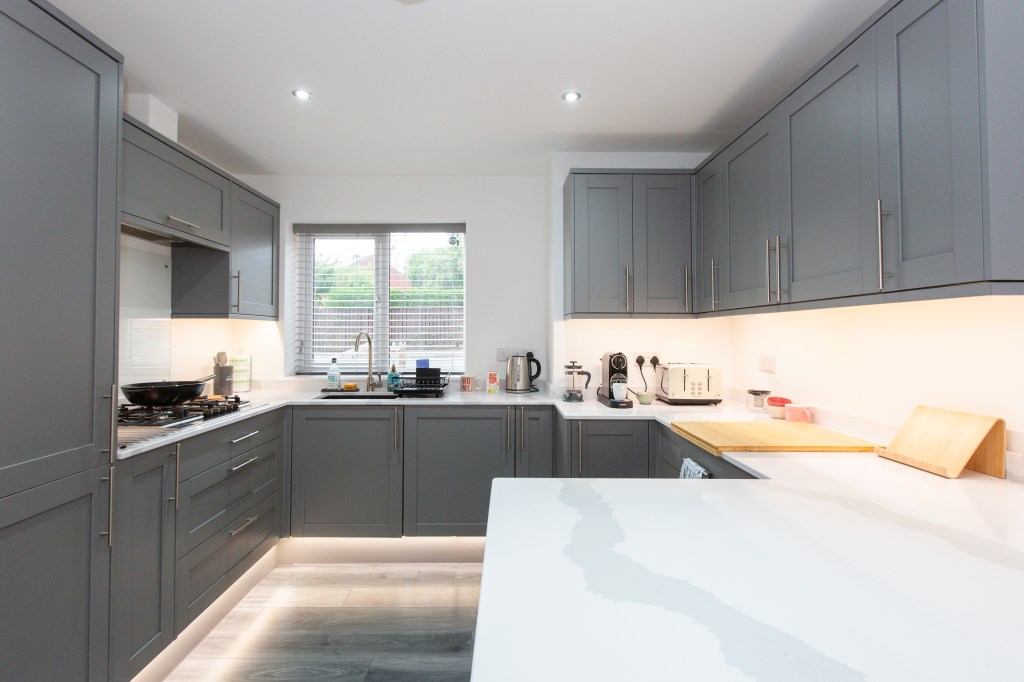
For this shoot, capturing both the property’s overall ambiance and its specific, inclusive features was key. Standard property photography techniques came into play to highlight the accommodation’s expansive interiors, giving potential guests a sense of its generous space and layout. But the real artistry lay in focusing on the subtle, intentional details that set this property apart.

Thoughtfully curated design elements—like soft, adjustable lighting, carefully selected textures, and calming color palettes—help minimize sensory overload. These details can often go unnoticed in a typical shoot, yet here, they are crucial. I worked to capture each unique feature with sensitivity and precision, ensuring that each image conveyed the property’s gentle, welcoming atmosphere.

Working with Diverse Nation on this project has reinforced the importance of inclusive design and how photography can play a role in representing these values. This Nottingham property stands as a beacon of what it means to create spaces that cater to everyone’s needs, and I am honoured to have played a part in showcasing it.

Find out more about our property photography services here!

Amazon photography – Ion Sei

I was actually contacted for this project after originally being ‘rejected’ in favour of another product lifestyle photographer. that photographer didn’t get back to the client promptly and so they got in touch with me.

I could offer product lifestyle photography with:

A fast turnaround

Great prices

Great quality photography for the budget.


The brief was pretty simple, whilst also being quite specific – great quality ecom shots for Amazon, at very specific angles and colour corrected to be in keeping with the existing imagery.


monikh fashion influencer

Lifestyle Photography – House of Fraser Christmas Campaign

Casual and natural, Photographing a christmas brand campaign.

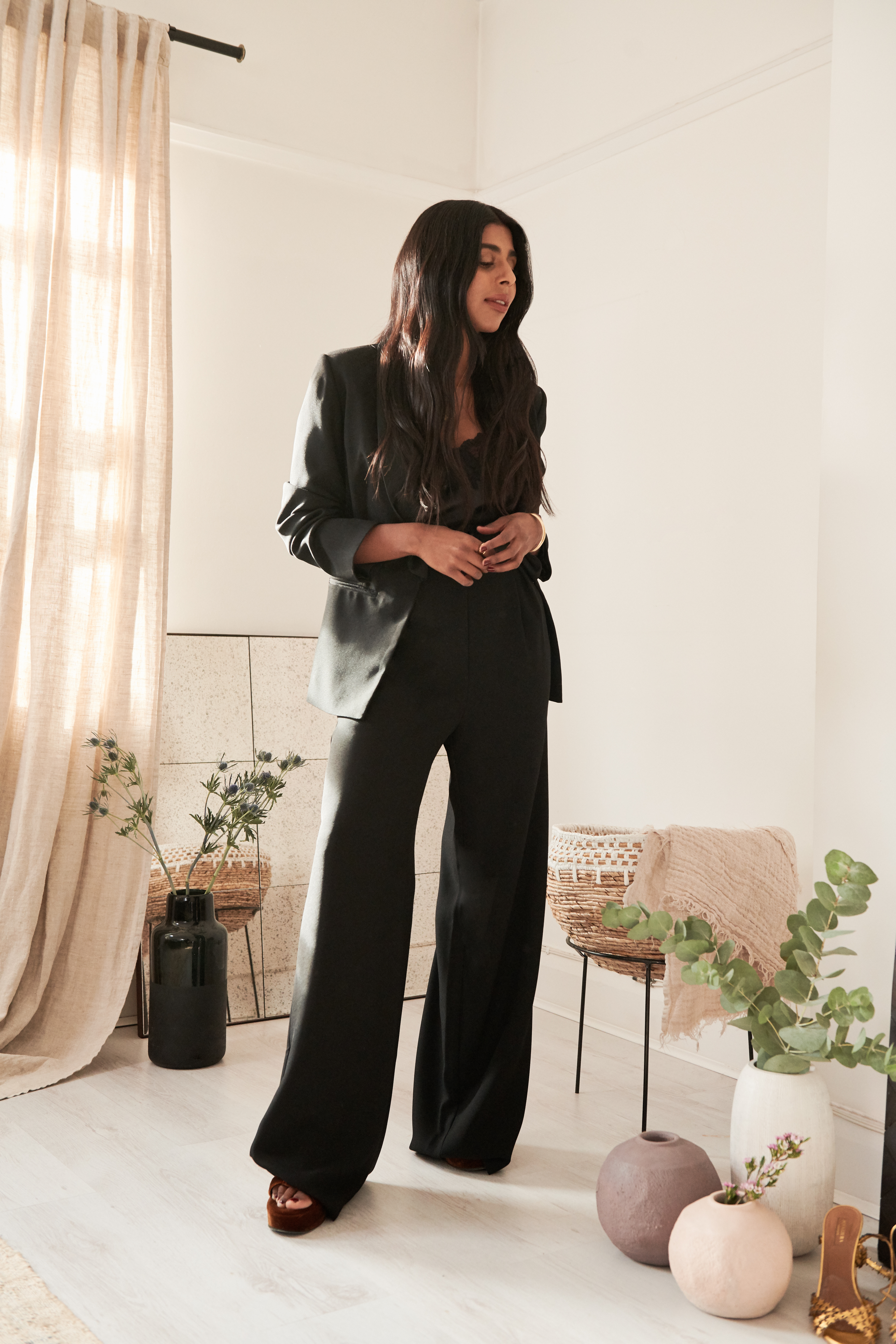
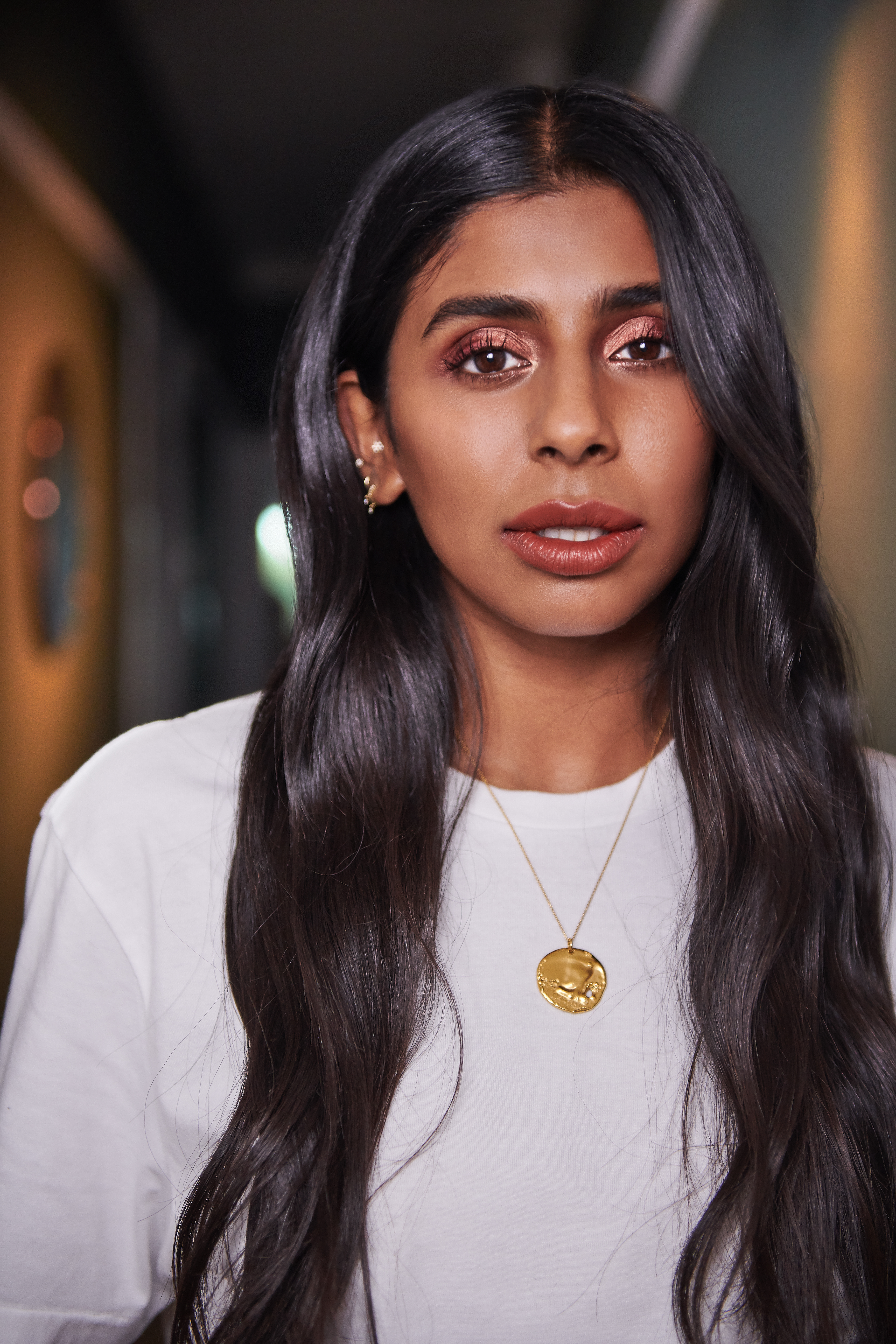
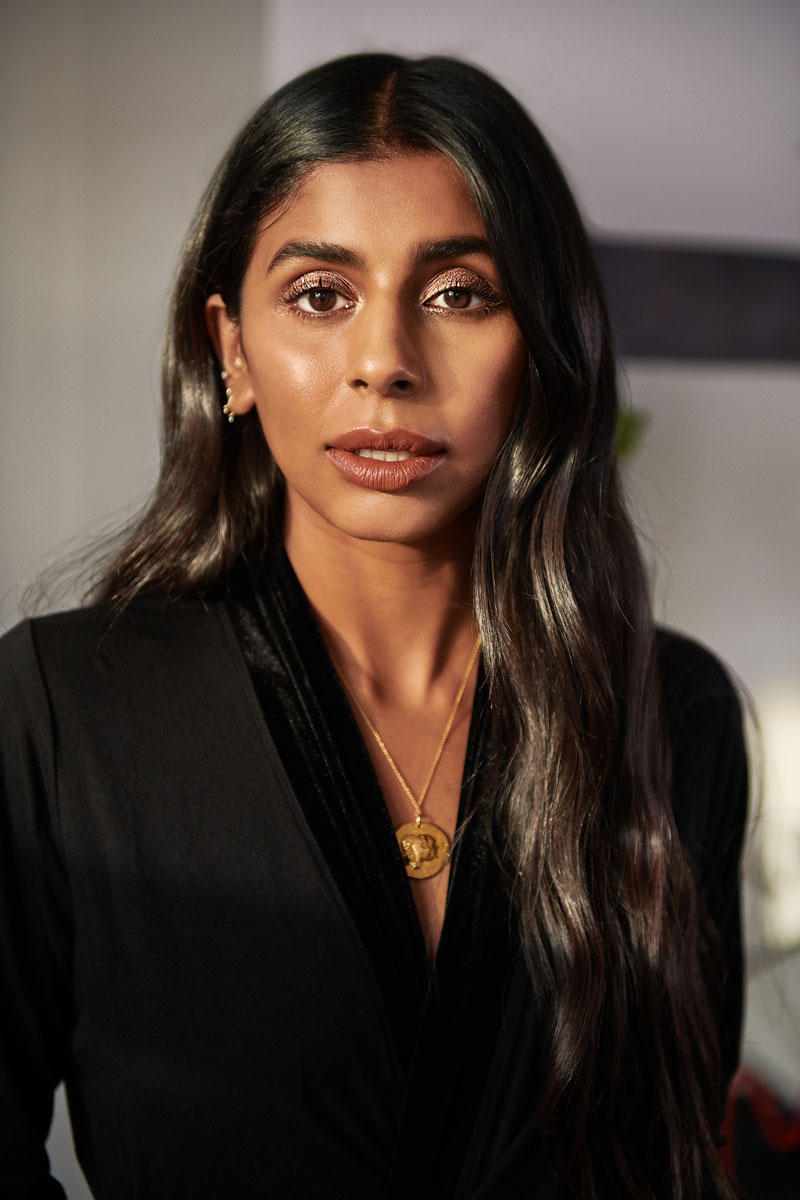
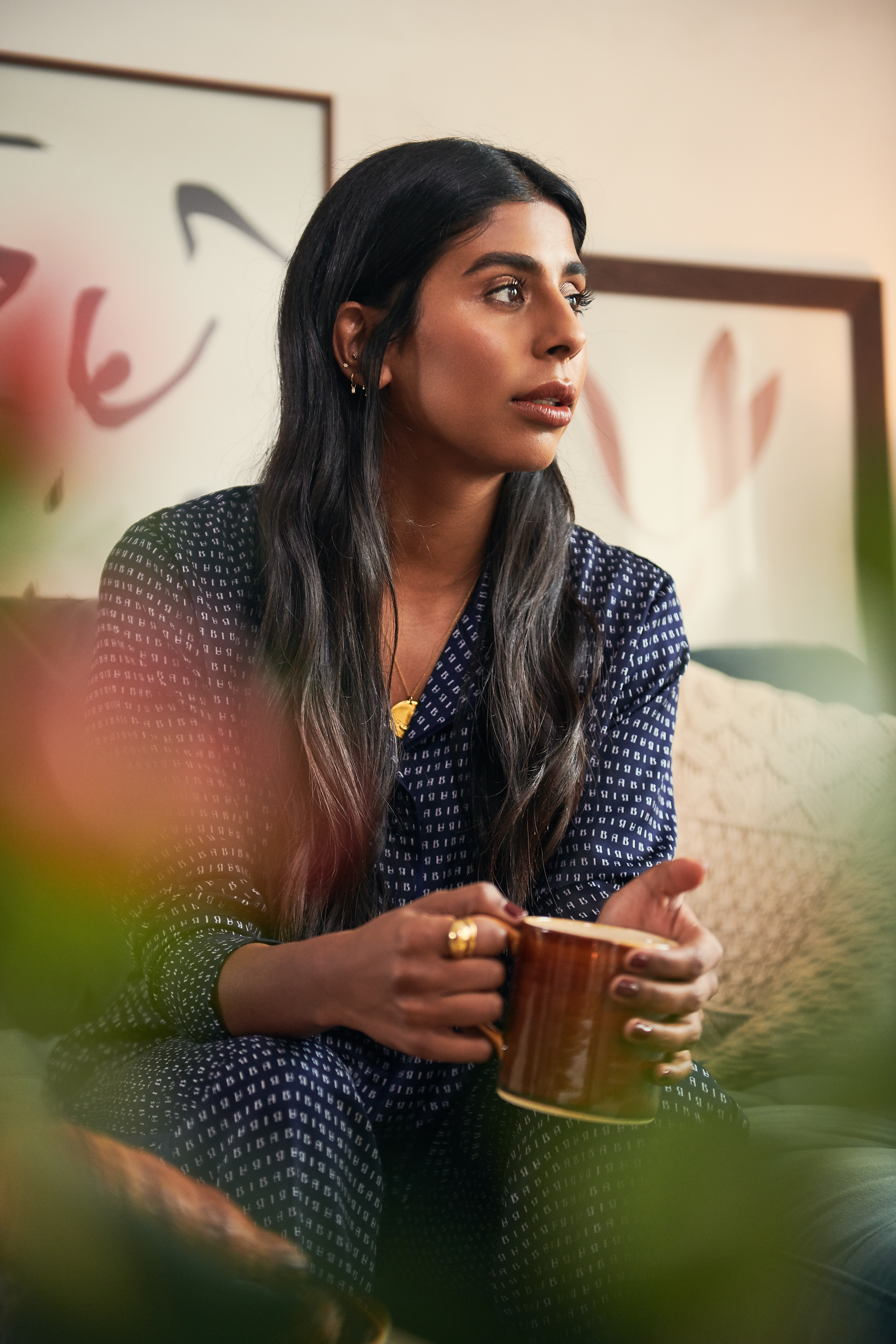
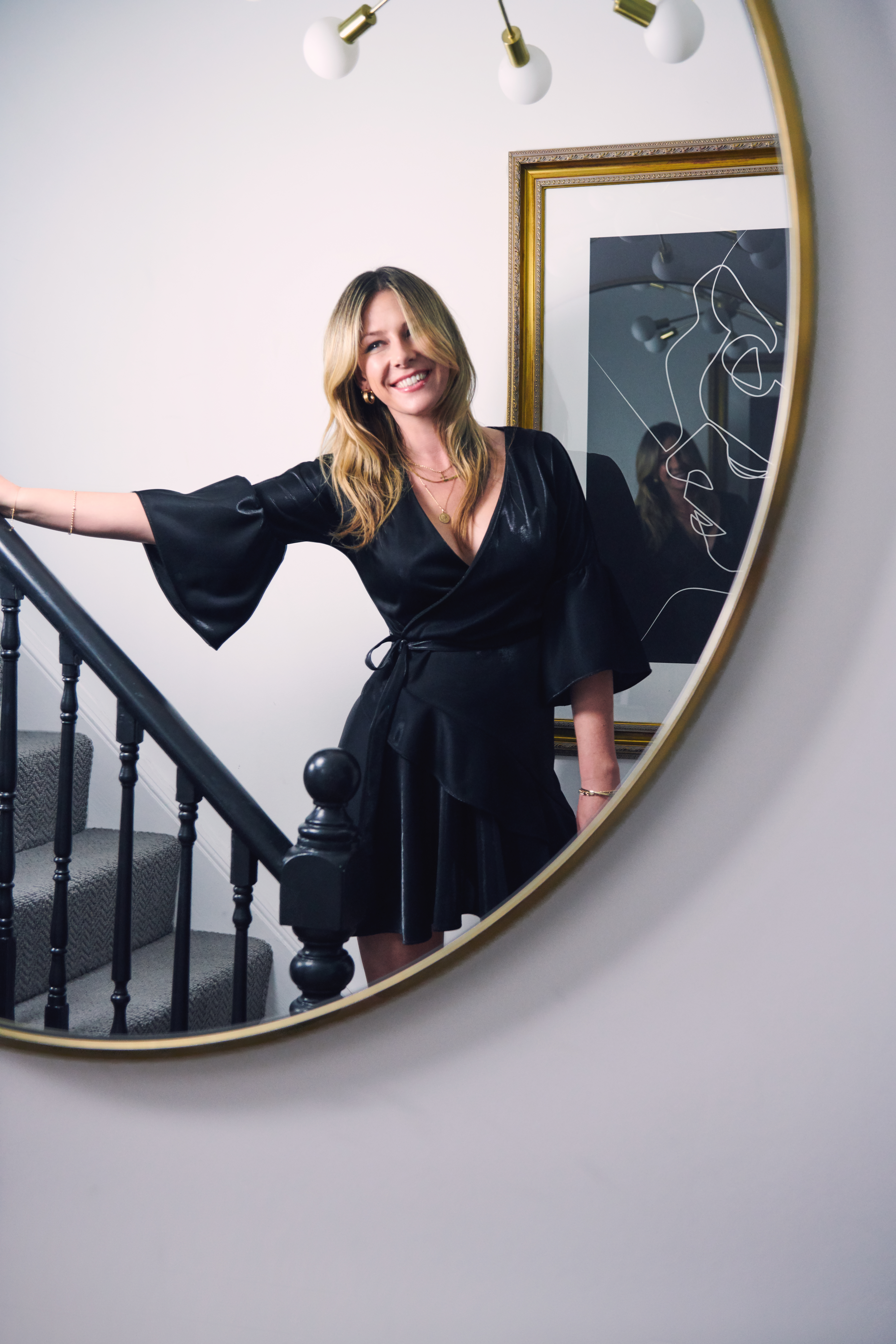
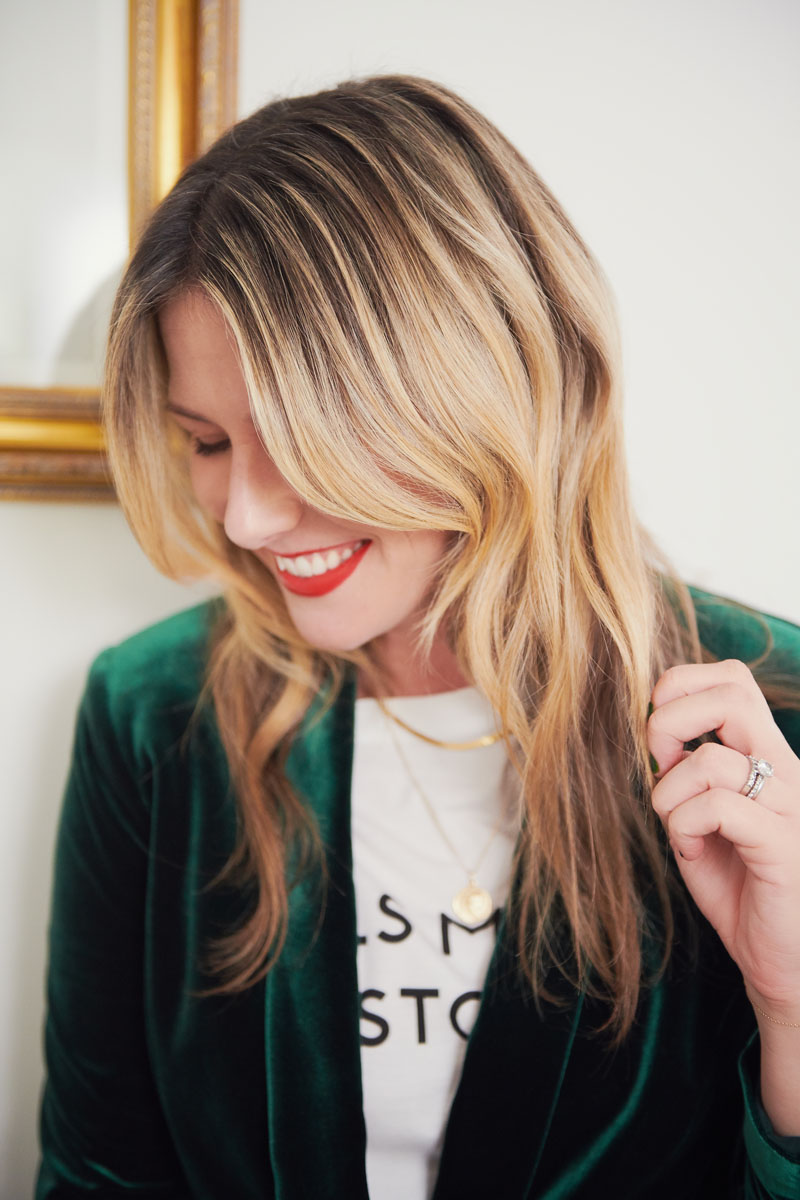
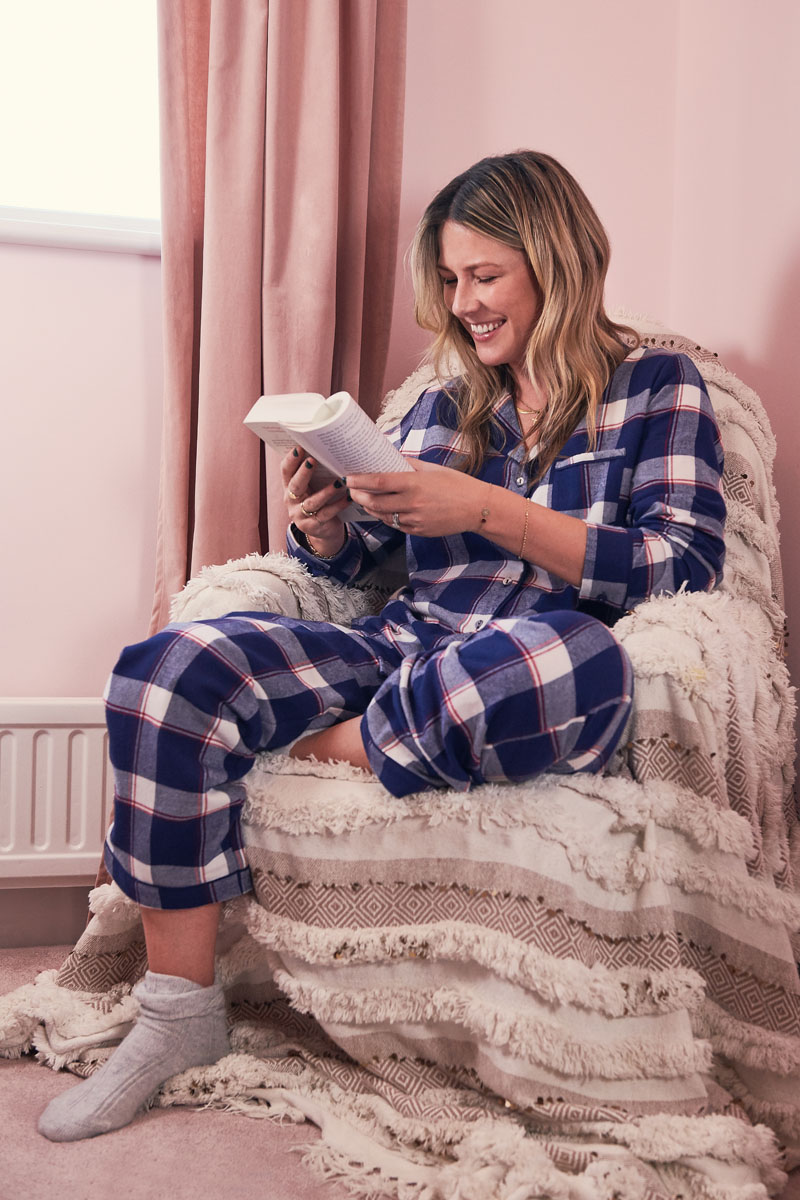
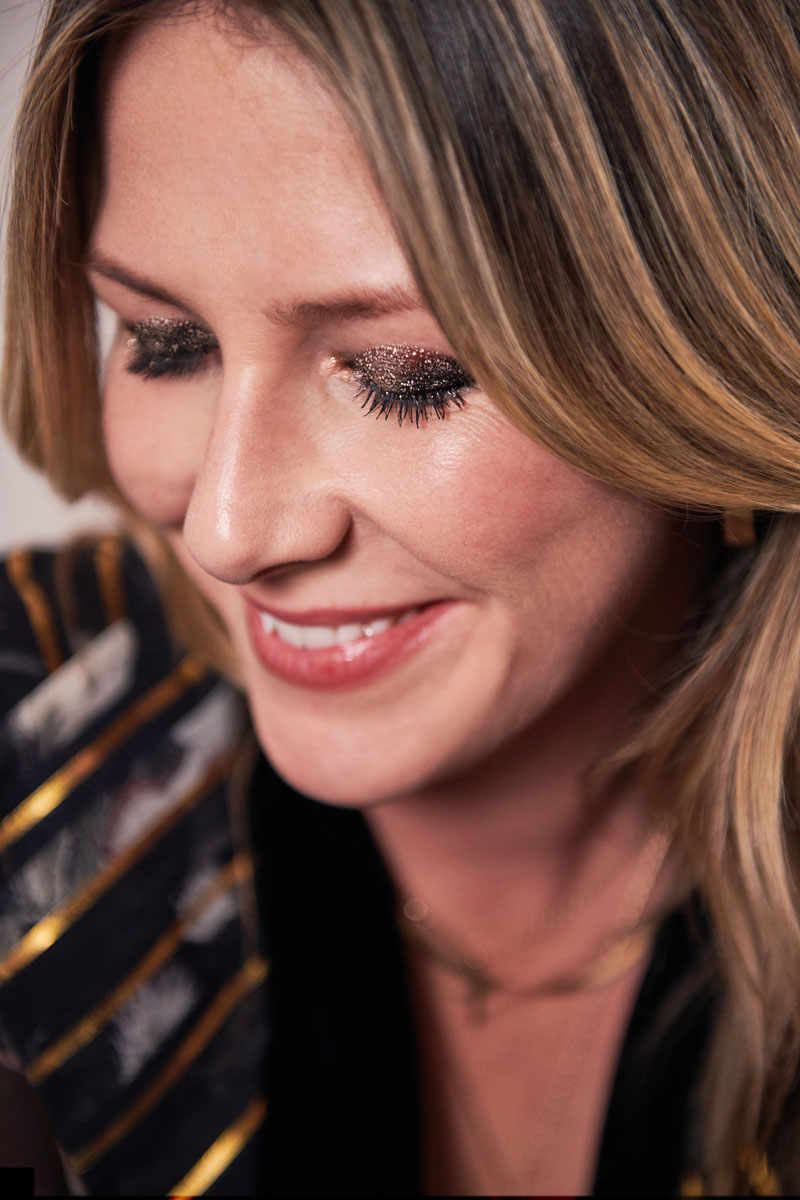
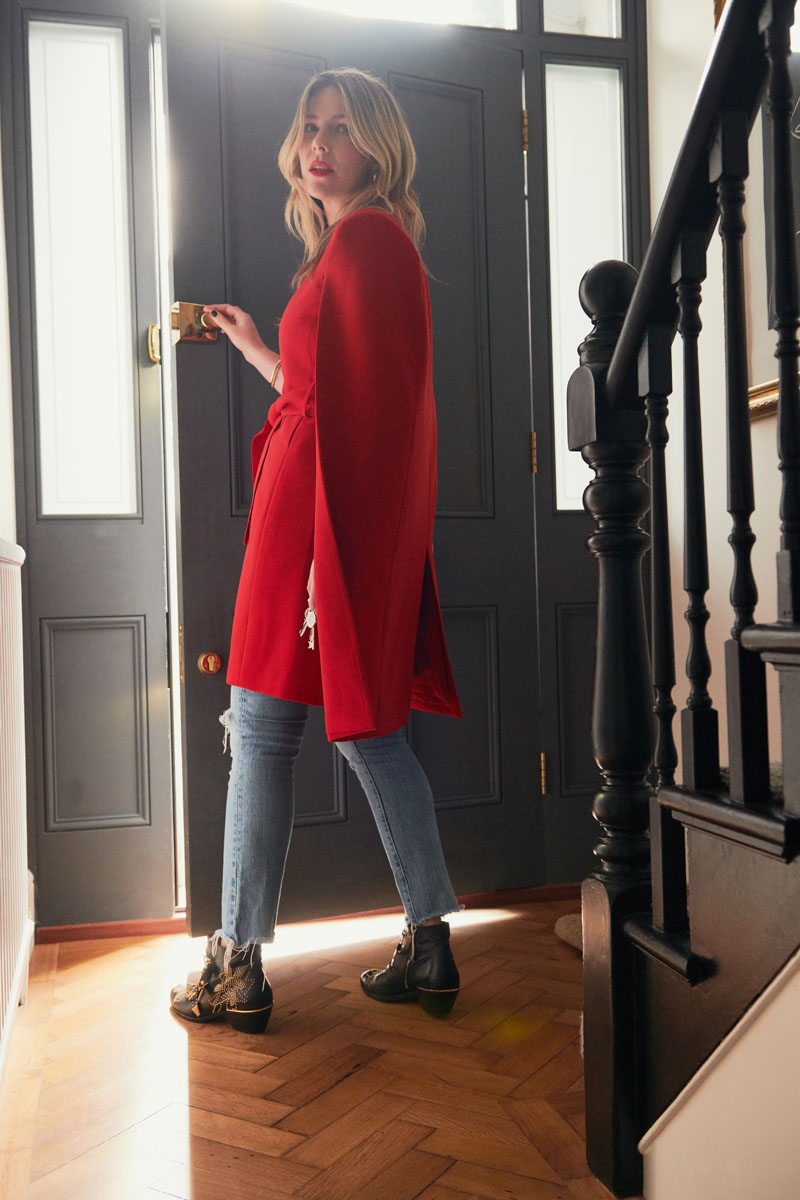
Rather than using models for the ‘Over to Ours’ campaign, we shot fashion influencers in the comfort of their own homes. The concept being that the influencers are inviting customers ‘over to theirs’ to be inspired by House of Fraser’s Christmas fashion and beauty offerings. 

Capturing off guard moments aimed show fashion, accessories and interiors in real life settings, making products feel aspirational and authentic. 

The shots should:

•Feel relaxed, warm and in-the-moment. 

•Be like moments from the influencers’ own social feeds.

•Show their home surroundings.

•Not be posed or staged.

•Showcase fashion and beauty as a priority, with some Christmas home decorations in some shots.


Here are the images featuring:


@Monikh

@amothersedit

monikh fashion influencermonikh influencer house of frasermonikh influencer instagrammonikh influencer instagram house of frasermonikh social media influencer instagramashely wilson influencer house of frasera mothers edit ashley wilsonashely wilson influencerashely wilson house of fraserashely wilson instagram influencer

Case Study - Puma SS18

Puma SS18 – Brand Marketing Photography

Behind the shoot on a Puma athleisure shoot.

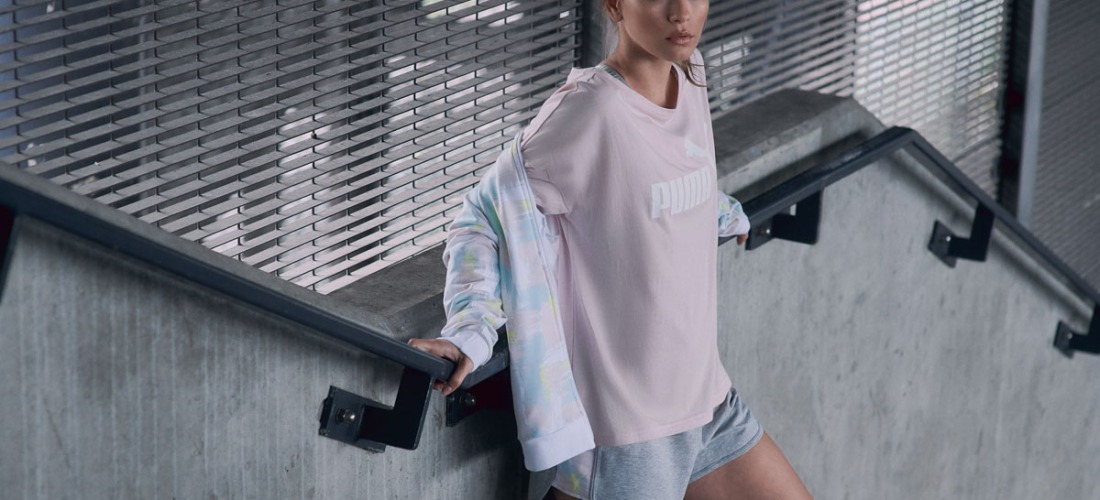
Big brands are, quite rightly, protective of their image and what you produce on a shoot it representative of them and their vision, ethos and identity. It is so ultimately important that, as a brand marketing photographer, what you produce is in line with this whilst also maintaining your own identity and keeping clarity on your vision.

Here is the interesting thing; when working with a brand and a retailer on the same shoot, they may have slightly conflicting briefs – and somehow you have to produce a finished product which encapsulates both the brands feel and identity and the can be utilised effectively by the retailer.

I will be discussing briefly my recent shoot with the brand Puma, for use by the retailer Sports Direct.

Here are abridged versions of the briefs:

RETAILER briefs for the shoot:

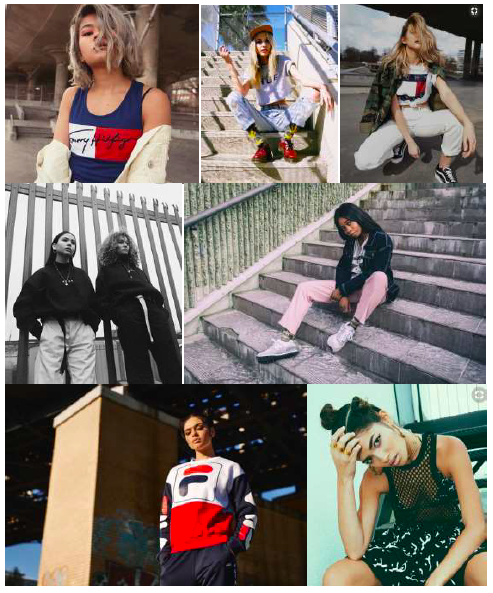
  • Street style –steps/underpass

  • Lighting to be quite natural with a raw feel

  • Play around with angles of the shots –shots from below to showcase the underpass

Screenshot 2018-06-26 21.42.03.pngScreenshot 2018-06-26 21.42.37.png

Brand brief for the shoot:

  • Powerful, streetwise, and strong.

  • Warm color temperature, black areas and shadows should have detail and look a little color-washed.

  • capture natural light / Open shade

  • Keep it interesting. Use perspective and a strong vantage point to keep the product/model the focus of the image.

  • A view to it being like a more urban ‘en pointe’.

Okay, so to summerise, they collectively want an urban edgy feel, in a specific location, with slightly washed out shadows, and i should also mention that the range is called ‘THE PASTEL RANGE’.

I have 10 years experience in brand marketing photography, so In my head at this point, i already know where we’re going with this. Its a pretty good comprehensive brief, which isn’t too split down the middle with the differences between Brand Photography and Photography for Retail.

Here is where the wealth experience comes in to play, because:

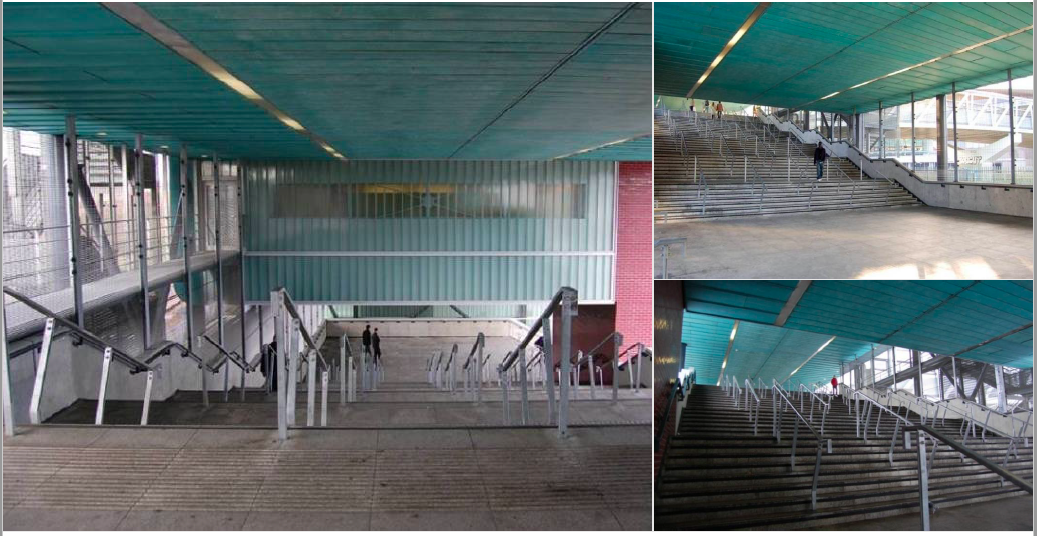
  • I have seen two photos of the location, but will not get chance for a recce.

    • I have to use my instincts and experience as a natural light photographer to guide me with what equipment to take, and plan shots for an 8 hr shoot in the hour it takes to do the hair an make up on location.
  • It is forecast rain and cloud.

    • So it will be grey and dark, colours will be muted (not the end of the world).
    • The location is under cover so thats not too bad.
    • The brief is ‘natural light’ so my experience as a studio photographer will help me pick my additional back up lighting with a view to mimicking this in the event i need to supplement the natural light.
  • The main kicker of the location is the green roof.

    • Pretty tricky to do a whole shoot focused around a roof, so for brand marketing photography, we need to get that into play as much as possible, without overplaying the low angle too much and ruining the shoot.

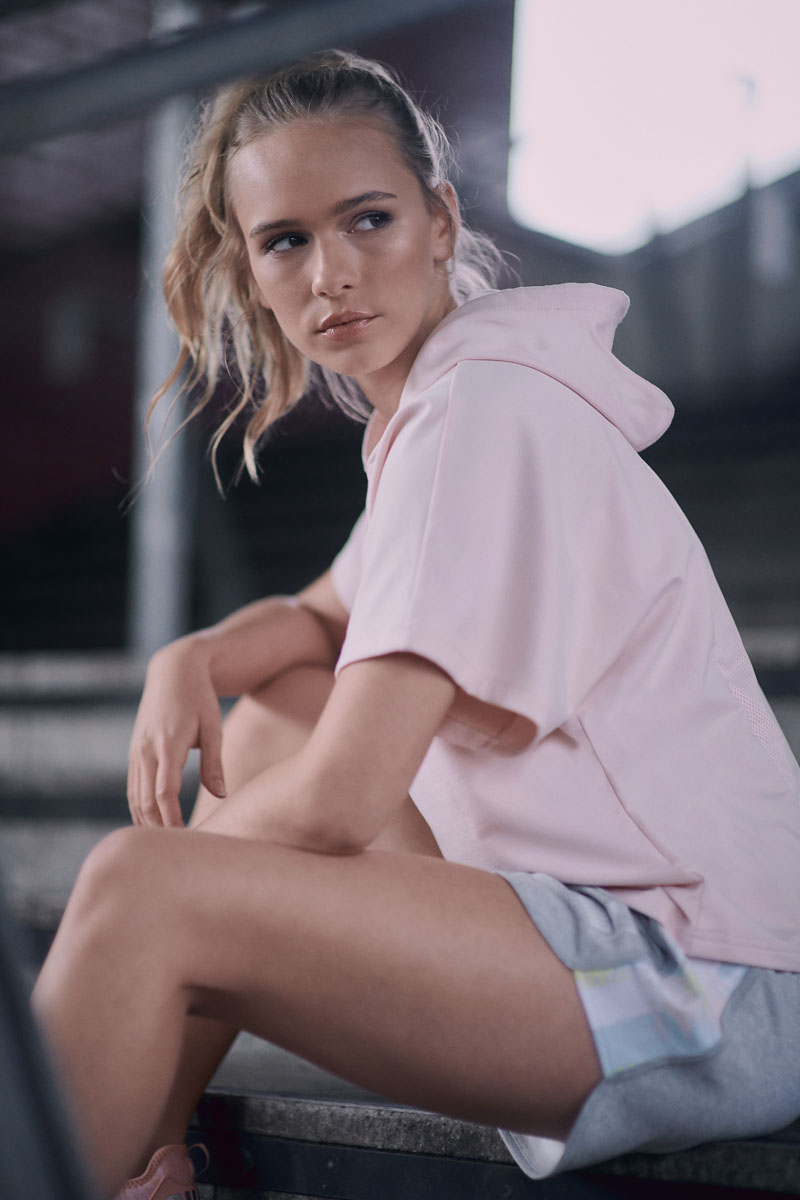
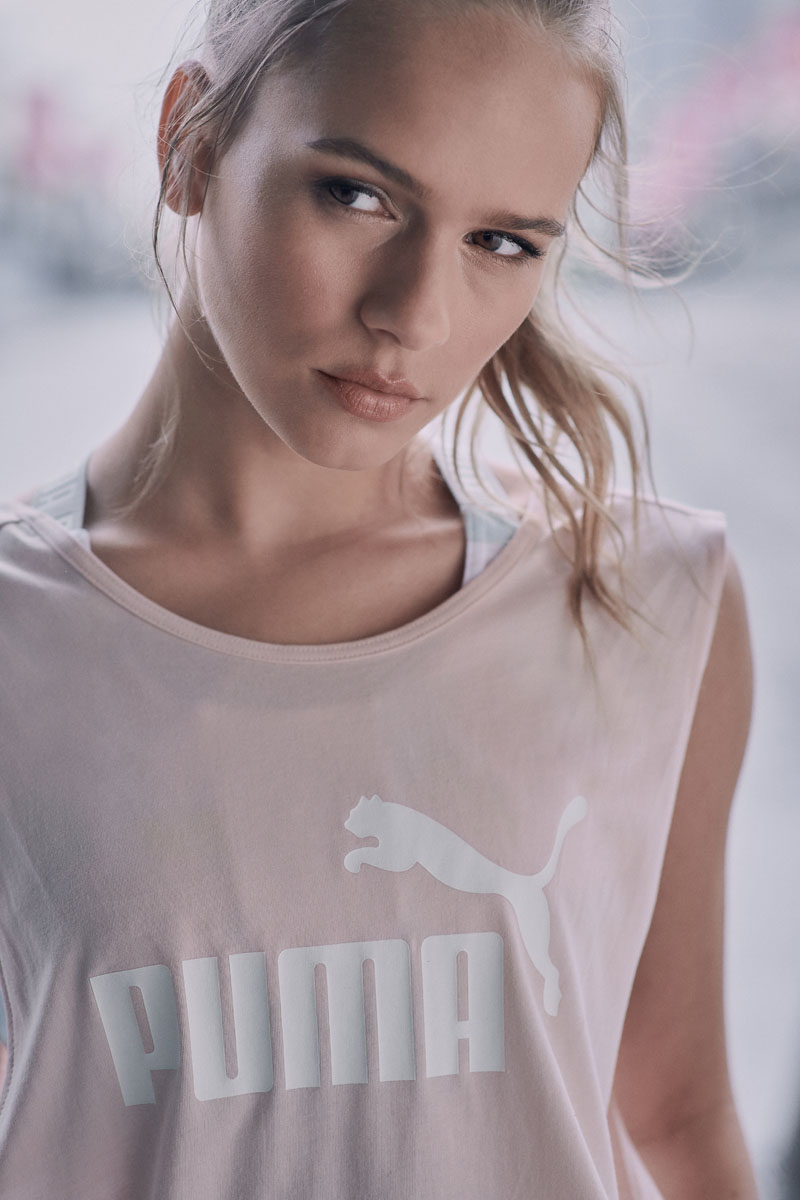
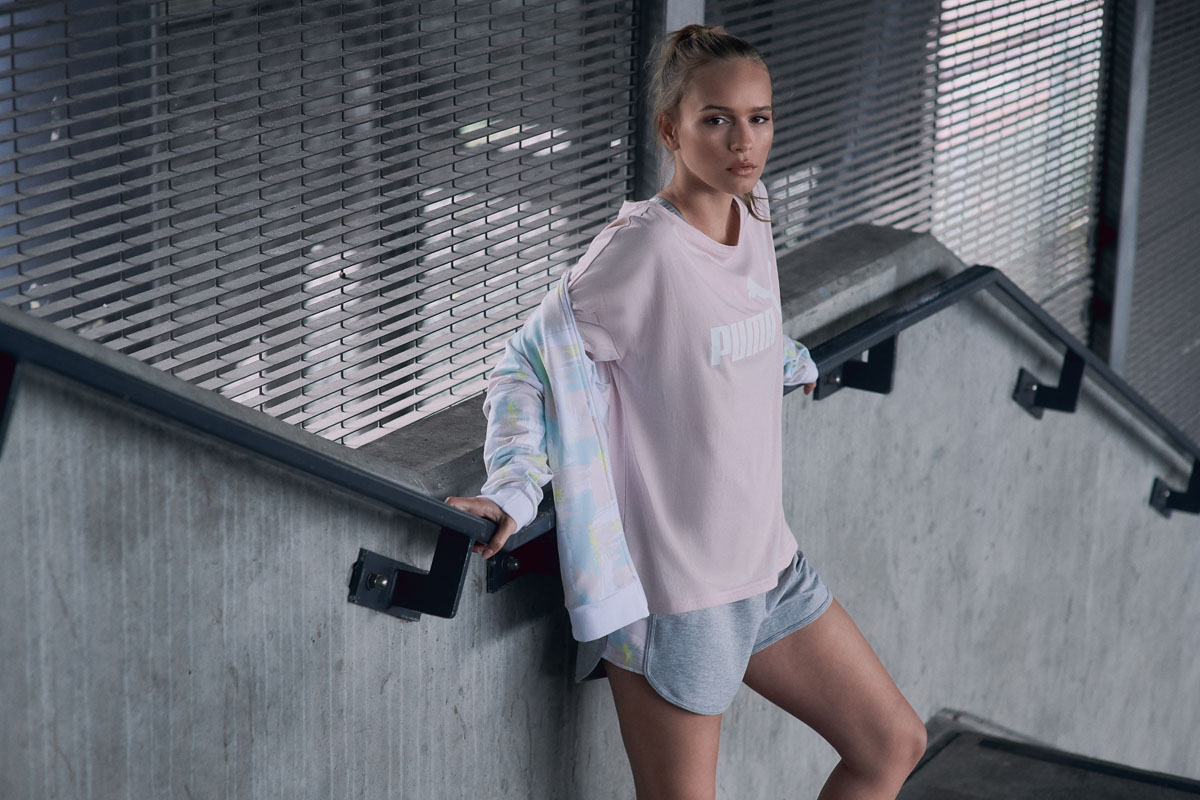
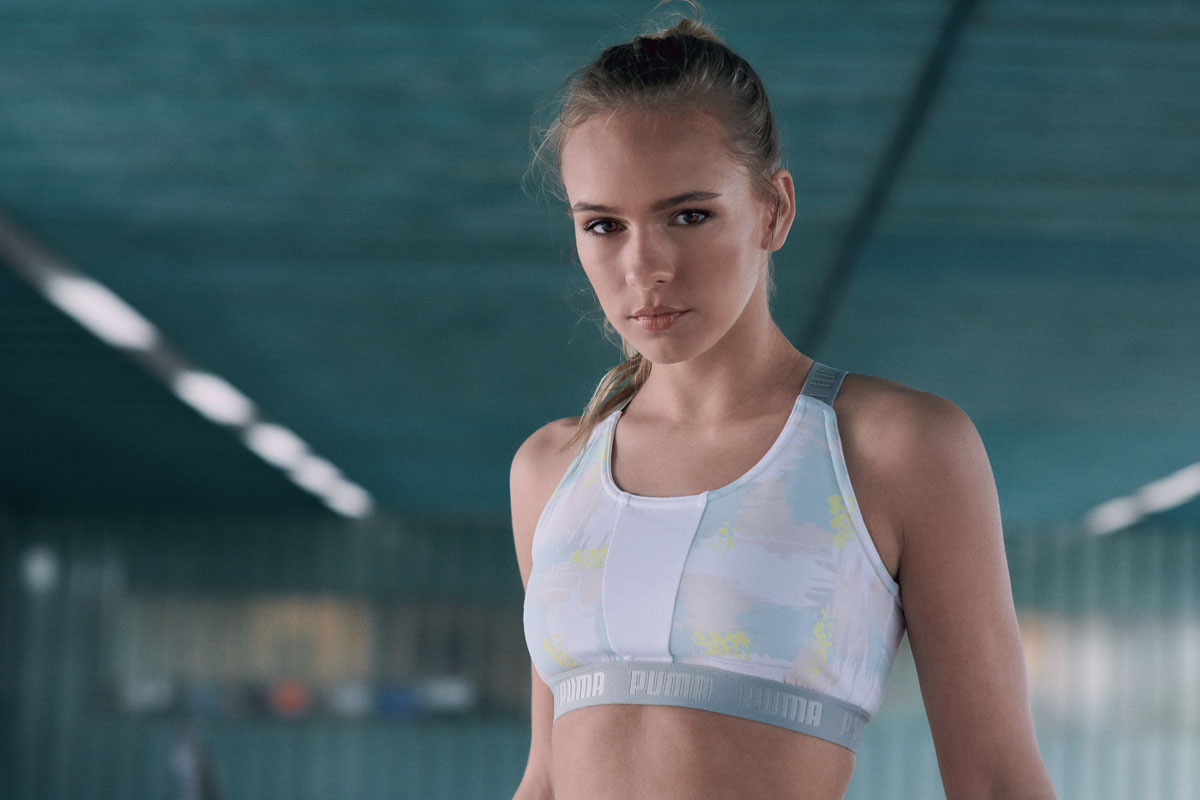
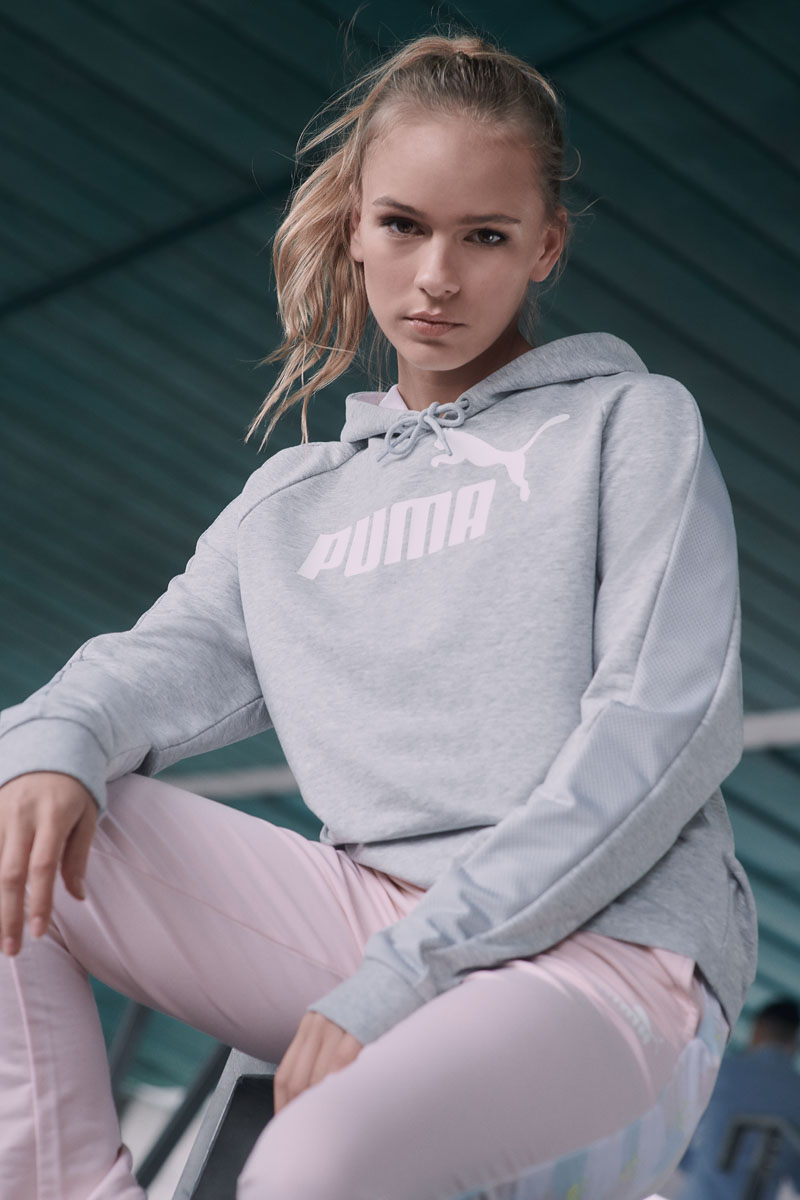
So, here are a few of the images from the shoot, below:

I will be posting some notes on Post Production in general, but as an overview, the post here was just a general cleanup, and softening on the shadows as requested by the brand, with a pastel overlay to really soften it up and give it the ‘en pointe’ feel.

Case Study - Puma SS18Case Study - Puma SS18Case Study - Puma SS18Case Study - Puma SS18Case Study - Puma SS18