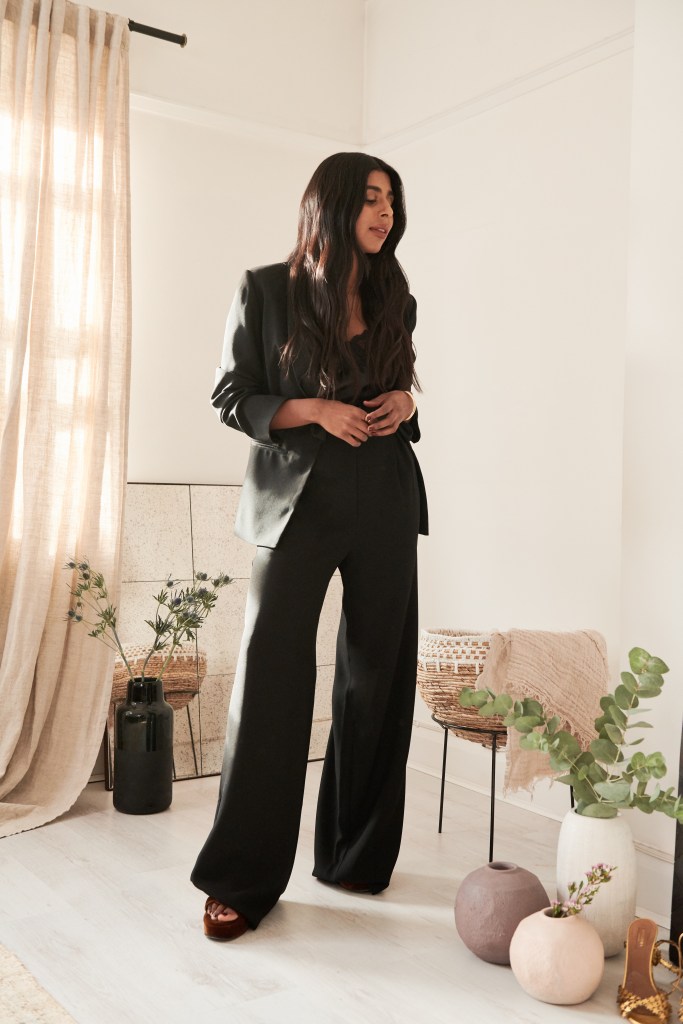
Whether you are wanting a lookbook shooting for a new product range, or a street style campaign shoot for an athleisure product offering, bryony photography has everything you need to get your project planned, shot and delivered in a jiffy, offering Great quality imagery to promote your brand.
What do I need to know about Fashion Photography in Nottingham?
Bryony photography will thoroughly scope out your project, ensuring that your briefing requirements are met, that your brand identity is accounted for, and that your product offering is displayed in the best possible light (no pun intended) Bryony Photography can manage all the stages of your project, from pre-production, shoot day, through to post-production and delivery formats. Leaving you to focus on other aspects of running your business.
What should I expect from fashion photography in Nottingham?
Well I’m not going to lie, it’s no Barbados, so you’re going to struggle to get beachy vibes in the midlands. However, Nottingham offers great studio options for various different types of studio photography. We even have a giant water tank for underwater shoots! We also have great options for outdoor spaces, with rolling countryside for outdoor products, and excellent local cities for more urban projects. For lifestyle shoots, there are plenty of wonderfully decorated Air Bnbs with photographic options. Speak to Bryony Photography to discuss your options for Nottingham based locations.
What photography services in Nottingham does Bryony Photography provide?
Lookbook
Premium Fashion photography
Studio Fashion Photography
Location Photoshoots
Influencer Photography
Editorial Photography
Behind the scenes photography
“Making of” photography
How long is the lead time for fashion photography?
Lead times can vary dependant on the scale of the photography project. However, if you already have your product samples ready to go then a simple lookbook can be a very fast lead time of less than a week, with more complex projects sometimes taking a couple of months to plan. If your project is urgent then get in touch right away to discuss your options and pencil dates so you don’t miss out.
I want to shoot on location, who will organise the licenses and permissions?
Dependant on the scale of your project and the type of location you require, you may need to hire a private location or apply for council permits to shoot in public spaces. Bryony Photography can advise you on what will be needed based on your brief / concept and can apply for permits and scout locations for you.
Product photography is one of the most important photographic elements for any retail business. Great product photography makes your products shine, re-enforces brand identity, and creates sales.
What should I budget for a Product Photography?
Product photography costs are heavily dependant on the specifications of the individual project, product type and number of products. However, we find that basic ecommerce product photography starts at around £5 per product, with most people choosing to spend around £12. More stylised campaign still life can come in at around £50-100. But we can advise you on the estimated costings at our briefing stage.
What Product Photography trends are popular in Nottingham?
We’re seeing a leaning towards authentic and natural photography, with the two most popular styles being studio-colourful and wooden rustic. Pantones colour of the year for 2020 is classic blue, so we will inevitably see an uptick in the use of similar tones. Classic flatlays are a constant winner and we don’t see then going out of style anytime soon.
Why Bryony Photography?
10 years experience managing large volume studios for one of the UK’s biggest retailers, professional grade equipment, and a genuine love for product photography, Bryony photography can help you get the best out of your products, on time, and on budget.
Will do I need to plan for Product Photography?
It’s a good idea to have some basic information ready when you get in touch with us, to help us best work out a plan for your project. A great starting point for information is: The number of products, the type of products, an idea of the end usage for the images (social, ecommerce etc. ) and some example of images you like, if you are looking for creative photography. If you have an idea of your budget then it is worth mentioning that, but if you are unsure then we can help advise you as to what sort of services you can get for different price points.
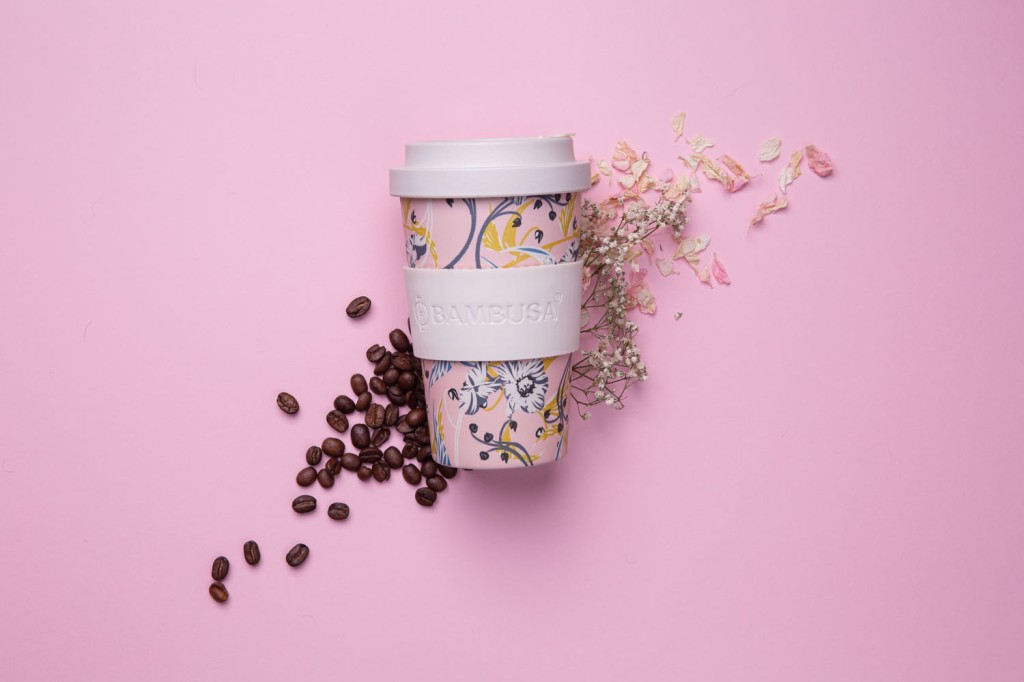
I was recently asked to produce some imagery for a startup brand in eco coffee cups made from bamboo.
It’s always so nice as a photographer when you get really great quality products to shoot. Its a dream working with super cute, functional and eco products.
The brief for the coffee cups was to produce ecommerce photography, studio lifestyle shots and some shots of the products “in situ” like a coffee shop.
Ecommerce Product Photography
First step was the ecommerce shots. Photographed using a two light set up in a light tent to create a nice even lighting across the product, and flagging around the sides and top to give a fine definition to the edges of the product.
These images are all Cutout to a pure white background, with shadowing where appropriate to “ground” the product. These are what you would consider to be “amazon ready” ecommerce shots.
Studio Lifestyle Photography
The next element of this project that was requested were some lifestyle flatlays done in a studio style with some themed props and cute styling.
These were shot directly after the ecommerce shots, again using two lights, but without the tent, and using more of a Key light with Fill light setup.
I went with similar colour palettes to the products themselves, pink for pink, neutrals for the vintage brown and indigo for the blue. I also did some group shots on white with all the accessories as requested by the client.
I really enjoy doing this kind of flatlay work. Using cute props and background textures to pull out the key USPs of a product is totally my jam.
Lifestyle Product Photography on Location
The last part of this project was to photograph the products in situ in a coffee shop.
Part of the challenge here was finding a coffee shop that embodied the feel of the eco cups. I didnt want anything to modern or anything which looked too much like a big corporate chain. Luckily i found a gorgeous little coffee shop and can near me which has beautiful reclaimed wooden furniture and quirky features. They also happen to do a wonderful smashed avocado on toast.
I didn’t want these to look too perfect and stylised, but wanted them to have more of an organic and authentic feel, so i utilised natural window light for all the shots and changed the ambience of the shots by the direction of shooting: back-lit, side-lit, front-lit.
I took a handful of props with me, and also utilised item the coffee shop had already along with some gorgeous food bits like cakes.
All in all, i can think of much less enjoyable projects to work on!
If you’re interested in checking out these gorgeous Eco Cups, head on over to Bambusa to pick them up at an amazing price of £11.95 and help the environment whilst also getting your caffeine kick.
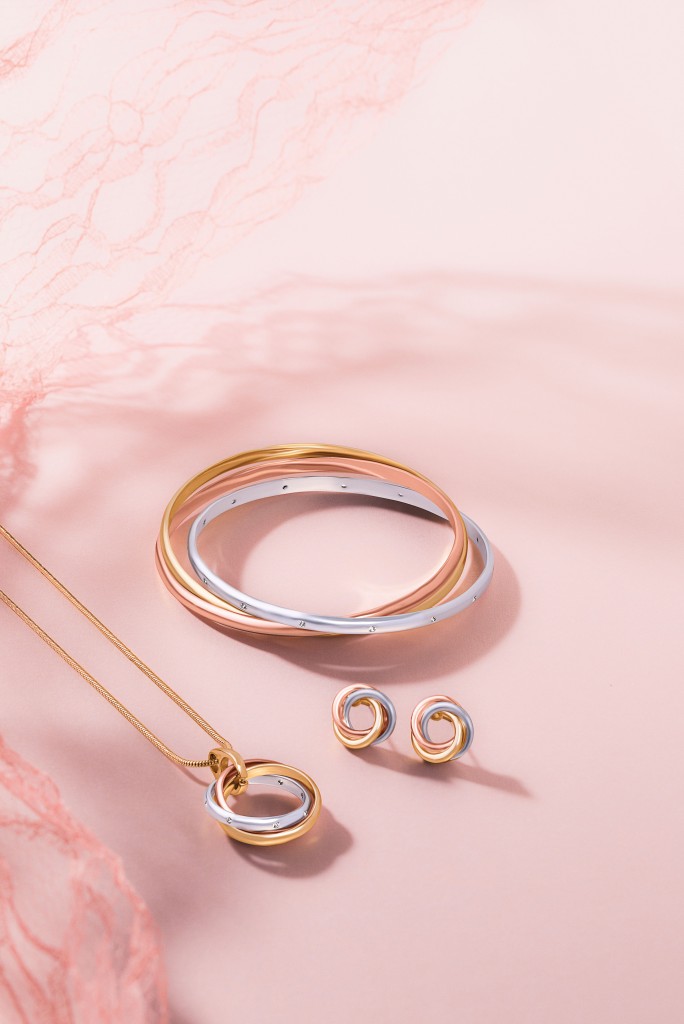
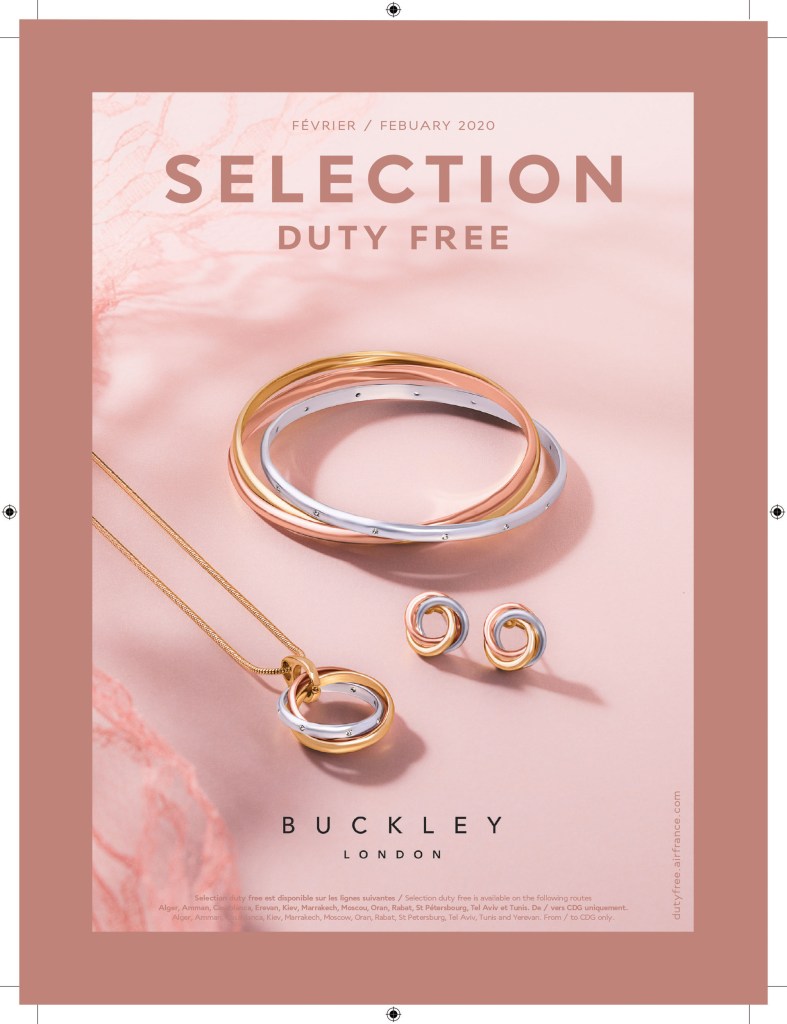
Buckley London contacted me with an urgent project for a magazine cover for Air France in flight magazine. They required a Lifestyle image for a jewellery set, Necklace, bracelet and earrings for the cover of a duty free in flight magazine.
So, what were the main things to keep in mind with this project?
Portrait orientation, for the cover.
Product centred in the lower area to allow for text clearance.
Soft feminine aesthetic.
Focus stacking on the jewellery to ensure super crisp visuals
Reflections minimised in shot
All blemishes and particles smoothed / stones brightened and Jewellery Colour corrected.
This was shot in three stages, using 3 different lighting setups with the two jewellery lighting setups being focused stacked to ensure clarity along the entirety of the product.
First of all, i feel i have to explain that this probably isn’t the simplest of ways to light a creative jewellery flatlay – however, due to restrictive circumstances, this was the only way to do it that day.
Setup 1 – Set lighting
This shot was designed to create an interest by lighting the lace low and hard to create shadow textures across the image whilst picking out the detail of the lace, and creating nice hard shadows under the product. This was shot with a single bare reflector flash, with a bounce board to take the edge off the jewellery shadowing.
Setup 2 – Lighting for Jewellery
This shot was lit with two large soft boxes, and plenty of white boards to block out as many reflections as possible and create a smooth and bright tone across the jewellery.
Setup 3 – Lighting for a Specular Highlight
I’m going to procures this section by saying that this wasn’t really necessary at all, but just a nice little addition to the process. Using a gridded beauty dish, low and aimed front right of the jewellery, i aimed a specular highlight to pop where the low lit areas on the jewellery had been. This brightens up the shot, and creates a sparkle on the metal. Notice how much things brings up the tone of the inside of the band.
Jewellery Editorial using combined lighting setups.
The last image here is the total combined shots, and fully retouched piece. You can see how the different elements pull together, the background, the jewellery and the specular highlight all combined to create a high end jewellery editorial.
A great quality image is made up of several components all working in harmony to compliment and contrast with each other. The way these elements are used together is what creates the sum-total of the imagery that you see.
So, how do image makers go about creating the perfect imagery for your brand or business? Great images can be captured off the cuff, or with little to no-planning – but they are by no means guaranteed. Here, i am going to run through how to get guaranteed great imagery from every shoot.
Photography Moodboard & Concept
The first step to creating a great cohesive set of imagery is a step that a lot of people skip over – or don’t explore for long enough. Moodboarding and creating concepts is imperative for creating imagery which fulfils a purpose and is creatively striking. It is not enough to just find one image and copy it. or to copy he creative for another brand just because you like it. An analysis needs to occur around the products you are showcasing, their unique selling points, your brand identity and how you want to be perceived by the public. These elements all pulled together and explored properly through sketches, visuals, colour swatches and scrapbooking allows a concept to evolve into something new and groundbreaking. Allowing this time off the bat before anything is actually created can allow you to create genuinely original content.
Little anecdote – i was once doing a creative for a running shoe. The client / brand manager wanted to straight-up copy a nike campaign featuring models running in the desert. There was LITERALLY no other reasoning considered… just that they “liked” the nike campaign. Except, we couldn’t go to the desert so we had to do a composite job – not a problem. So we do a footwear creative for this shoe in the desert (i might add this was for an Autumn Winter campaign… go figure). Once we’ve started the brand guys realise the shoe is called a “charge” shoe so they want to get that in there somewhere. So we add dust clouds and lightning to the back of the shoe like its revving up to set off using some sort of kinetic electricity in the desert. All is good, right? It ALMOST makes sense (except the desert bit… but whatever), its looks great with a stormy concept and the muted sand colours. Then the client realises that the product they’ve picked will be out of stock before the creative runs so they ask us to swap out the shoe for a different shoe. A different shoe which is NOT called “charge” and is BRIGHT BLUE. So now, with no time left to do a new creative concept, and the client absolutely set on this creative, we have an unnamed bright blue shoe, in the desert (for no reason), with lightening firing off from it (for no reason); In summation, a creative so thrown together it was visual salad.
So THIS is why it is important to fully explore the concept before you end up on a wild ride that leads you somewhere mad.
Building a Photographic Creative Team
Your photographic team, and the calibre of talent that you employ can be the difference between a super productive, fun and creative shoot that leaves everyone buzzing, or a trudging slog through shots desperately trying to get through all the products before everyone can go home. Do not allow it to be the latter. There are so many amazing creatives and each creative field adds another leg with with to prop your project up to heights you hadn’t dreamt of.
Hair and Make Up
Hair and Make Up; Sometimes made up of a team of people, sometimes all rolled into one fantastically talented individual. This person creates the model looks that embody your brand. Are you have eyeliner and messy curls? Minimalistic natural make up and slicked hair? or 50s glam and pin curls? The hair and make up artist is a wizard that creates the finessed looks you see.
Wardrobe Stylist
I would always recommend having a wardrobe stylist for all fashion shoots. A wardrobe stylist is one (Or five) steps ahead of the fashion curve. They live with their heads in between the pages of vogue, and they can relay the latest catwalk looks of the top of their head. They know how to pin, pick and prioritise and they know whether the socks should be rolled up, rolled down or worn on the hands. This person is indefinitely and timelessly “Cool” and can stop the shoot slipping into cliches. If you want your products to look the absolutely best they can, whilst still looking fresh and fashionable, then you need a stylist.
Videographer
The movement specialist. Your videographer will have their eye on how to best capture your behind the scenes, or fashion film for the (silver?) screen. Everyone is consuming content so rapidly now, and video is a surefire way to increase engagement. This person will have their hands on all the latest tech from cameras, steadicams, to drones. Your videographer will know how to work with models to get the best out of them for your video work. Videographers also tend to be painfully cool…. annoying i know.
Production Manager
Dont want to send your time running budgets, creating call sheets and making sure everyone is where they’re supposed to be? Then your production manager will be your best friend. The king/queen of organisation, your production manager will speak spreadsheet, control people and make sure everything gets done – On time – On Budget – En Pointe.
Art Director
When you have a lot of creatives all in one place, it can get a little wild. Creatives tend to be naturally a bit free-thinking, prone to wandering off from briefs and creatively pin balling around the place. Which is why you have an art director. Your Art Director will steer the creative ship towards your destination of design, keeping all your creatives on track and making sure your project is finessed.
Runners
Runners are the unsung heroes of any medium/large production. They are the coffee makers, pop to the shop-pers, and “can you grab that” -ers. A multi disciplined person with no firm role on-set who allows everyone else to focus on their tasks, they invariably facilitate a smooth production by being the indispensable middle man. Need to pick a model up from the train station? Runner. Put a battery on charge? Runner. Discovered the make up artist is vegan and need to amend the catering order? Runner.
Photoshoot Locations and Recces
The location used for your production is what sets the scene for your imagery. Choosing a location which not only embodies your brand / concept, but also facilitates smooth logistics AND is available for the Date and budget of your shoot is not as easy as it may seem.
Having a photographer or production team that can appropriately source your location/s is imperative.
It is also very important to have a team that understand the different kinds of locations and the necessary requirements for booking these. Whether it is a private property which can be booked through an agency, or independently, or if it is a public pathway which requires council permits for shooting.
As discussed at the very beginning of the blog, you CAN shoot in a lot of places by just turning up and doing your thing – which is appropriate if budget is your biggest concern… However, if you want to guarantee that your shots all have a consistent location, especially if the location is key to the shots, then you want to ensure that your production doesn’t get moved on to somewhere else by officials.
The next step after sourcing potential locations is to do a recce, which involves visiting the location with the key production players (Photographer, art director and videographer would be most interested in this) Each person will be checking that the location meets the criteria for both the artistic elements and the logistical elements. The size and configuration of the space, colour palette, lighting and key areas to shoot in, but also the availability of power, prep areas, storage, parking and public transport links are all thing which can be checked out on a recce.
Also… Google maps is a godsend for this! Street view has minimised the need to actually visit potential outdoor locations.
Pre-production Planning
Pre-production planning involves many of the elements that i have already mentioned, along with a whole host of other jobs and necessities such as:
Model sourcing and booking
Budgeting
Equipment Prep and packing.
Call Sheets
If you have a large production with an art director and production manager then they will look after the following elements:
Moodboard / concepts
Feasibility
Budgeting
Call sheets and logistics
Catering
Shot list
However, if you’re looking to keep costs down and run a small production then this is all up to the photographer to look after.
Photoshoot Day
If you have all your ducks in a row before the shoot day then everything should run very smoothly and in accordance to the call sheet and shot list. In which case, all that needs to happen on the shoot day is that everyone just performs their tasks in an efficient and professional manner and gets to go home on time.
Unfortunately, even the best laid plans can go awry with a rogue weather incident, a model delayed by public transport or a health and safety incident. What is most important on shoot day is that you have a team of professionals who will power through no matter what, have the experience and confidence in their abilities to think on their feet and make it work no matter what happens.
The unknowable is just that, unknowable. However, once you have been doing this 10 years like i have, you can pretty much anticipate ANYTHING.
My colleagues have always been amazed at how unflappable i am in the face of potential drama, but i always have the following motto in mind (i take out the god bit because i’m a heathen):
“grant me the serenity to accept the things I cannot change, Courage to change the things I can, And wisdom to know the difference.”
Image Selection
If you have had a studio shoot, or a large production which wasn’t a “mobile crew” then you have likely been able to view the images to a certain extent on set. Whether that is on the back of the camera, or as a tethered shoot to laptop. Even if you haven’t been able to view all the images, you will have been working to a brief, shot list and/or concept, so none of the images should be a surprise to you.
Post-Shoot image selection is a very personal process. Different stories for different folks and all that. Clients will have a very different idea of what looks good.
I tend to do a “pre-selection’ whereby i remove anything which i believe to be absolute rubbish before sending over a contact sheet.
I would always advise on having a group of people view your selection before you get to the retouching stage. Its a good idea to get lots of eyes from different perspectives who may or may not agree with your choices and can offer constructive feedback on your selection.
If you are not in a position to have a critical feedback discussion with a group then ask your photographer for their input and they will give you a 3rd party overview on what works best creatively.
Lightroom / Capture One Presets
This step actually comes into play before the selection is made, but makes up part of the retouching process so i have wiggled the timeline around a bit. Images straight from the camera are run through a RAW convertor software such as Capture One or Lightroom (others are available but these are the most well known).
This process allows the photographer or retoucher to make more generalised adjustments to the overall images, such as:
Contrast, brightness
Saturation and vibrance
Clarity, texture and sharpness
Colour and tonality
This is often referred to as colour grading, which is a term somewhat stolen from video work, but it applies quite well to modern day photographic development.
Photoshop Retouching
The last step before outputting the project at the desired formatting specifics. The Photoshop retouching is the element of this process that takes an image from ” ah that’s nice” to “holy f*cking wow , that amazing”.
Photoshop retouching is a whole process which could fill about 5 blood posts, so i’m not going to go into too much detail, but i’ll give you some bullet point:
Whether you require images for web, social or for instore printing, brochures and postcards, you image formatting requirements will be different.
Exporting imagery at the correct specification for use will ensure that resolutions, colour correctness and tonality is optimised for the end purpose meaning you get the absolute best out of your imagery.
This is essentially the last step and then you are GOOD TO GO!
So that is it, the whole, long and complicated process of absolutely ensuring guaranteed AMAZING imagery every time.
If you have an questions then pop a comment or drop an email on the contact page.
It can sometimes feel like photographers are speaking their own language. And, whilst you may have a basic understanding of photography, it can be confusing and embarrassing when you don’t understand what someone is talking about when they discuss their specialist area. In the same way that i believe i have a pretty good understanding of computing until i speak to my friends in I.T. and then i feel like a moron for not knowing what an SSD is.
So here is a brief overview of the sort of terminology you may hear me using, broken down roughly into the categories of Photography, Lighting, Photoshoots & Retouching.
Photography Glossary
Aperture
Aperture is the term used to describe the size of the diaphragm used to control how much light is allowed through the lens. Essentially, the bigger the whole (and counter intuitively the lower the number) the more light gets in, the smaller the hole, the less light gets in. Bigger apertures create a smaller focal area, narrower depth of field, and increase the amount of Bokeh or depth based blur.
Shutter Speed
The shutter speed is the name for the duration of time that the sensor is exposed to light. Initially referred to as Shutter Speed because on analogue and DSLR cameras, it is the duration of time that the shutter is open. On mirrorless cameras with no shutter, it is the length of time which the sensor is “Activated”. Longer shutter speeds give more opportunity for Motion Blur.
ISO
ISO refers to the “Film Speed” for analogue photography, and was adopted to refer to the sensitivity of the sensor in digital photography. A lower ISO number is a more sensitive film speed and will result in a brighter image and is perfect for photography in low light circumstances. Beware though, the higher the ISO, the grainier the image, and dependant on manufacturer, there can be a loss of quality in various different ways; colour, clarity and tonal depth.
Exposure
Exposure is the sum total of the 3 elements above combined to create an image. Many people call it the exposure triangle… which to be honest is just a lazy name because there are three elements and theres no reason for it to be a triangle. Each element, ISO, Shutter Speed and Aperture work together to modify the amount of light being captured by the sensor – the resulting Exposure is the image.
Image exposure is measured in Stops in plus and minus. Minus being under exposed (darker) and plus being over exposed (brighter).
White Balance
Categorised on a spectrum of Kelvin, the white balance denotes the colour of the light, from an orange candle, to blue winter sun. The main concept of this is from blue (cold) light to orange (warm) light, but there is also an added axis of magenta and green to compensate for fluorescent lighting (green). White balance is used to select the correct colour settings for the light being used, or used creatively to colour grade images.
Bokeh / Blur / Depth of Field
Bokeh is the term used to describe the blurred areas of an image. Specifically, the blurred areas created by a shallow depth of field. The depth of field (or size of focus area) is controlled by the aperture, and the shape of the aperture controls the shape of the blurred areas.
Noise
Noise refers to the amount of grain (dots) within an image. normally present in higher ISOs used for low light photography. Noise is naturally present in all digital photography to some extent but too much noise can affect the overall quality of an image.
Photoshoot
Location
Pretty self explanatory, but the location is somewhere you will shoot which is not your studio. This can be outdoor or indoor.
Recce
Short for Reconnaissance, and completely stolen from the military (with an almost identical meaning). Usually used for location shoots, a Recce is a visit to a location to identify key areas, strategic planning and work out logistics for a shoot.
Base Camp
Base camps are used when you are shooting on locations whereby the actual location cannot be used to get change, do hair and makeup, and store equipment. For instance, if you doing a street style shoot in london, you may source a coffee shop or a local office to have as a base camp.
MUA / HMUA
Make up artist and Hair & Make up Artist. This person will make your models even more gorgeous.
Stylist
Wardrobe stylist, Still life stylist. This person will make your products even more gorgeous.
Option
Option is the term we use in the industry to pencil models. A provisional booking of sorts, You can option models up to a couple of days before a shoot, and it means that if the model gets another offer of work then you have a say on whether you definitely want to book them before they accept the other offer. It basically means “choice”.
Pre-Prod
Pre-production encompasses all the elements that go into planning a shoot, from moodboards and call sheets, to budgeting and model shortlisting.
Post-Prod
Post-Production encompasses all the processes that happen after the shoot has taken place. This includes, Asset management and contact sheet, retouching and file formatting.
Call Sheet
The call sheet is a document with all the logistical details of the shoot, including locations address, contact details for the teams and most importantly, the call time!
Tethering
Tethering is the term used to describe shooting whilst connected to a computer. This process allows for better viewing of imagery during the process and is great for finessed shoots which need to be PERFECT, but reduces mobility of the photographer, and allows for less freedom of movement.
Mobile Crew
A mobile crew is a light crew with no equipment on the ground. Usually used in street style projects. This sort of free moving set up is usually used to reduce costs of licensing for shooting in public, or used to allow for a lot of different locations in one sitting. As long as there is nothing on the ground, then your probably in a mobile crew.
Licenses
Licenses are needed for lots of elements of photography, including model licenses for children & location licenses for public spaces.
Releases
A “release” is a legal document showing that you have permission to use the subject matter of the images. This can extend to models, locations and sensitive subject matter. Release can be simple or complex (think like acting contract for hollywood stars ). These are evidence that the photographer had prior permission to use the subject matter. Most publications and asset selling sites will require proof of release for any “recognisable” elements.
Lighting
Flash
Does what it says on the tin a little bit. A short burst of light. There are many different types and brands of flash lighting and this could be a whole blog post on its own.
Continuous
Continuous light is added light which is not flash, but constant. A lot of people refer to them as video lights. Tungsten, LED or HMI… can be used for photography.
Hard Light
Hard light is defined by its hard edged shadows and sting contrast between light and dark areas.
Soft Light
A more gradual fade between the light and shadows.
Indirect Light
A very soft light with indistinguishable direct and even shadowing.
Natural Light
Essentially sunlight. The light which is available from nature, either outside, or through windows.
Ambient Light
Light which is already there. Different from Natural Light in that it also encompasses artificial light sources. Be wary of photographers who say they “only use” ambient or available light, as this is often just masking the fact that they don’t know how to light their images.
Light Modifier
A light Modifier is an item used to shape and control light. Usually used to describe the specific modifiers that fit to flash or continuous light sources, but the term is quite loose and can also extends to reflectors and scrims.
Bounce / Sunbounce
A (Usually large) reflective item in white, gold or silver which is used to reflect light directionally. Often used with natural light, but is also a studio staple. Is often also referred to as a “reflector”
Flag / Skrim
This is an opaque or translucent material used to either control the amount of light which gets through, or completely block light. these can also be used to “pull” light away from products.
Diffuse
Diffusing light is Softening light. Diffusion can occur from clouds moving over the sun, or from adding a diffusion material (such as roscoe half spun) to a light. Diffusion essentially softens the edges of the shadows, and minimises the harshness of the light.
Gels
Coloured Gels are used in tandem with flash lighting to creatively affect the white balance of a shot, correct white balances, or create interesting coloured imagery.
Retouching
Quality
This word is used by layman, confusingly, to denote both the overall appeal of an image (a quality image is good), and more technically by professionals to describe the amount of information stored in the pixels. An image lacking quality will appear jagged and duller than a higher quality version. not to be confused with resolution.
Resolution
Resolution is the number of pixels used within an image. Shown either in a Width by Height and dots per inch format (3000px x 3000px, 72 DPI) or in an overall count format, normally shown in Megapixels (24MP). The higher the resolution, the more pixels there are.
Aspect Ratio
The aspect ratio, also referred to as a crop ratio, is used to describe the shape of the crop. 1:1 would be square. Think of it a little bit like a fraction.
Crop
Crop is the term used to describe the areas left in an image after some areas are removed.
Sharpen
Sharpening is altering the contrast on a pixel level to create a bigger difference between light and dark pixels on a minute scale. Overall this effect gives an image the appearance of having more clarity on the details.
Contrast
Contrast is the difference between the light and dark. Added contrast increases the difference, removing contrast decreases the diference.
Airbush
This word is not often used by professionals, and is more used by the general public often as an all encompassing term to describe retouching… more specifically the elements of retouching which go into blemish removal and skin cleanup.
Dodge and Burn
Dodge (lighten) and burn (darken) is currently used in two main ways. 1. it is used to add contrast to specific areas of an image. 2. it is used on a small scale to remove blemishes for beauty retouching. Dodging and burning has been around since the dawn of photography, and is fascinating to look into how this was used to alter images in the pre-digital era. I highly recommend a good google session on it if you want to lose a few hours of time.
Split Frequency
Split frequency is a technique whereby the image is split into to elements. The tone and colour, and the texture. These elements can then individually be worked on to clean up an image. It is quicker than the dodge and burn technique, but the results are not quite as premium.
Check out my blog post about how different retouching techniques affect imagery.
Mrs Browns Boys just won its fifth comedy award at the National Television Awards, beating critically acclaimed comedy by Phoebe Waller-Bridges Fleabag, and Ricky Gervais’ dark comedy After Life.
I haven’t actually seen afterlife yet, but i have watched and re-watched Fleabag. In my opinion, Fleabag is a comedy drama so paradoxically pure, heartbreaking and hilarious; at times beautiful whilst being so raw and unpolished that you almost want to look away. This was objectively one of the best pieces of television in the last several years.
How this masterpiece of british television was trumped at the awards by Mrs Browns Boys, a british comedy following a Pantomime-Dame-esque character and her family. I’m not here to bash Mrs Browns Boys, as many sharp-tongued critics have much more eloquently done, but it is worth mentioning that the Mrs Browns Boys humour loosely positions itself somewhere between The Carry On franchise, and Jackass, like classroom humour for the Boomers.
It is also worth mentioning that The National Television Awards are voted for by the british public (as was Brexit), and you may be wondering what this has to do with photography or the creative industries?
My point here is that the vast majority of the general public do not actually care if something is well made, critically acclaimed or woke. There is no accounting for taste, and people will like what they like regardless of whether it is objectively and critically terrible. Mrs Browns Boys is the christmas cracker joke of british television.
Taste is very personal, and what works for one client will not work for another. One mans trash is another mans gold… or something to that effect. All we can do as freelancers is gently steer clients towards industry standards, widely accepted guidelines and general aesthetic rules. But when it comes down to it, the client is always correct, even when what they want is not what you, the freelancer, thinks looks good.
Most people do not analyse WHY they like an image (or don’t)… The lighting, retouching, model, setting, the cultural and social nuances, colour palette, composition…. the list could go on forever… all building blocks of a finished product which one person may look at and say “i don’t like it because it is bad.” or “I like it because it’s good”. Or my absolutely least favourite that secretly makes me want to scream into a pillow… “it looks nice”. NICE. The most banal of compliments known to man.
So if someone doesn’t like your work, then dont worry about it too much. And if someone does, then great… But in short – there’s no accounting for taste, and there’s nowt so queer as folk.
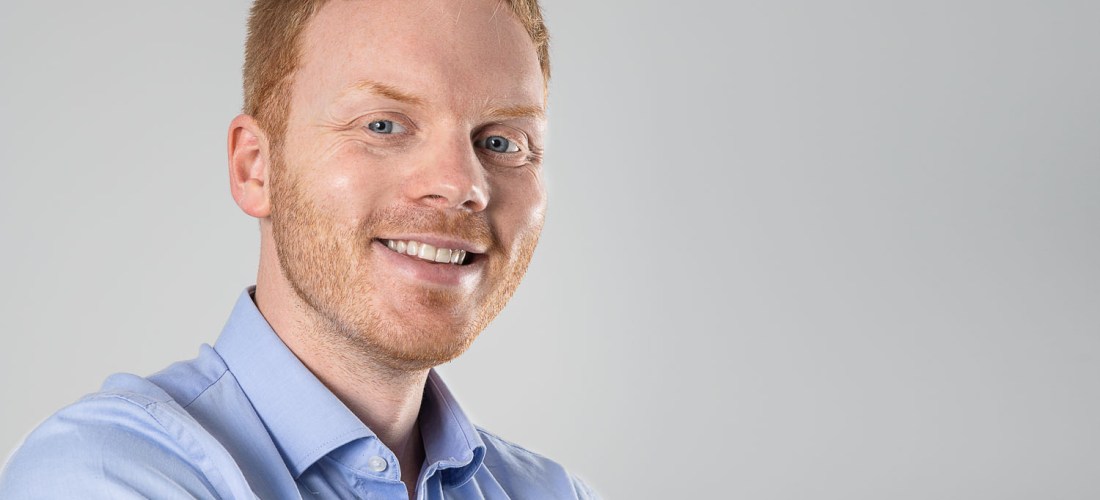
Though my genres of photography are normally Fashion, Beauty and Product – i do love a good headshot.
It’s a great way to meet great local businesses, and it’s interesting working with people who are perhaps not used to being in front of a camera.
Corporate Headshot Photographer in Nottingham
With a portable studio setup, a quality headshot can be completed with minimal fuss in your office space. All i need is a blank wall, or suitable backdrop area for your headshot.
Theses shots of the guys at Lithium 3 IT recruitment were taken in their board room at their offices in nottingham.
Headshot Photography near Newark
I love working with local small businesses to give them great quality corporate headshots for a reasonable price. Allowing even startups to get great quality professional looking profile shots for :
Linkedin
Facebook
Instagram
My recent client even said that they will be putting their headshot on their business card, which was a revelation to me… how often do you go networking and retrospectively can’t put faces to the names on your cards. It seems like such a simple solution to that problem, but i had never considered it. Headshots can be cutout so they are ‘design ready’ to go onto any coloured background.
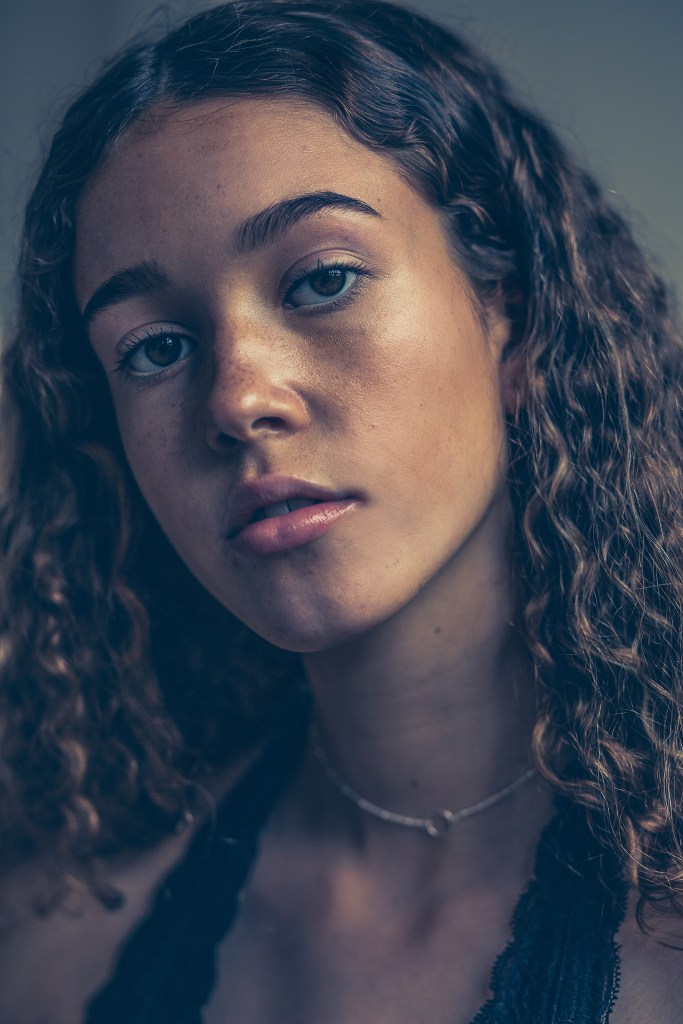
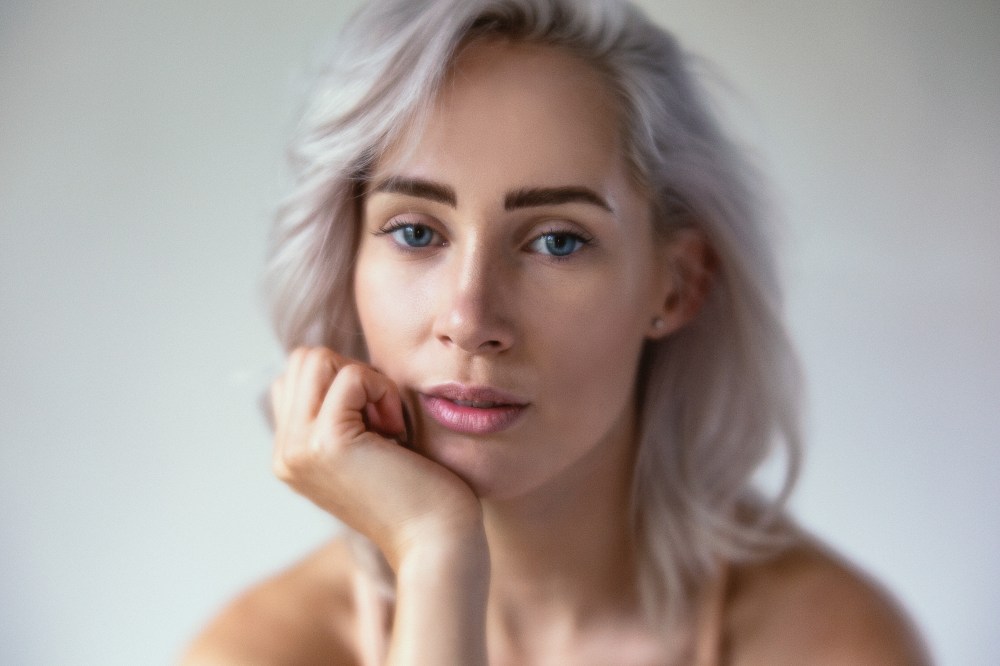
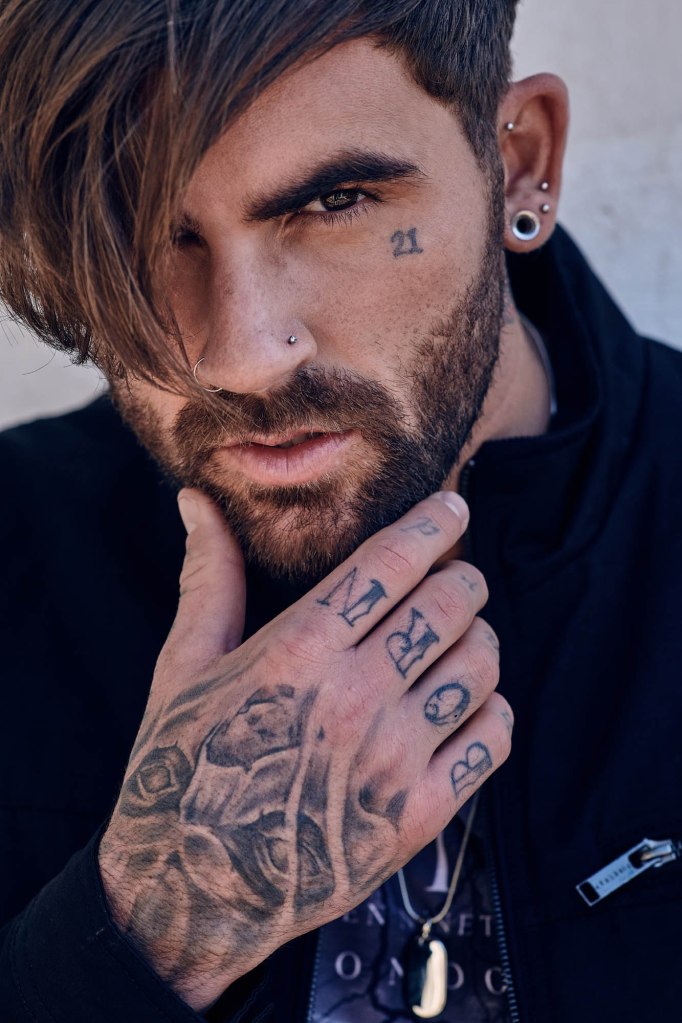
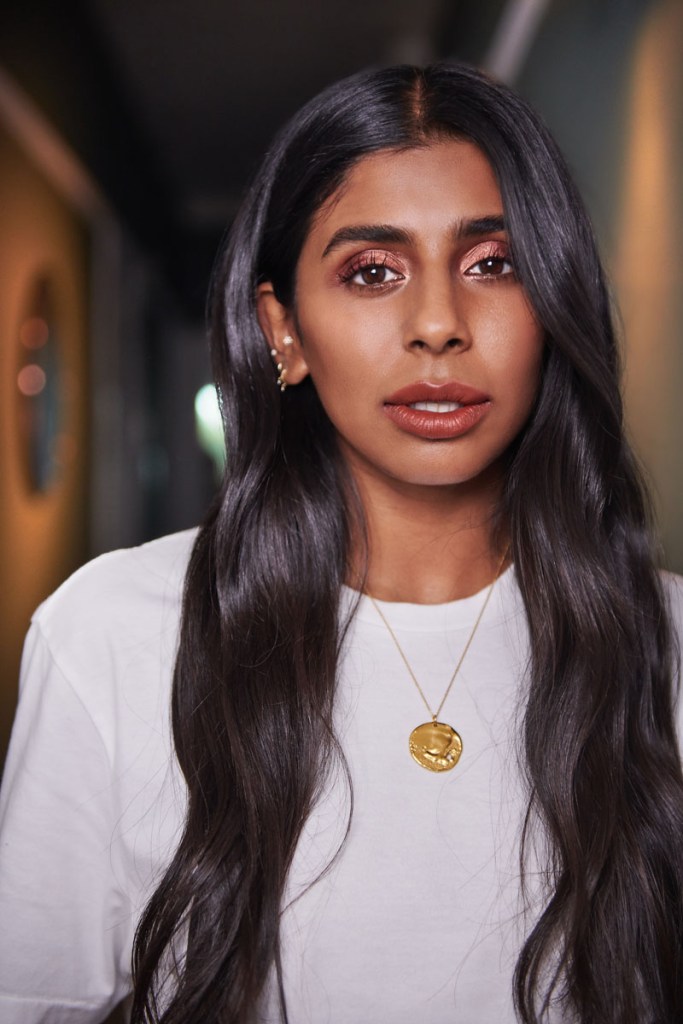
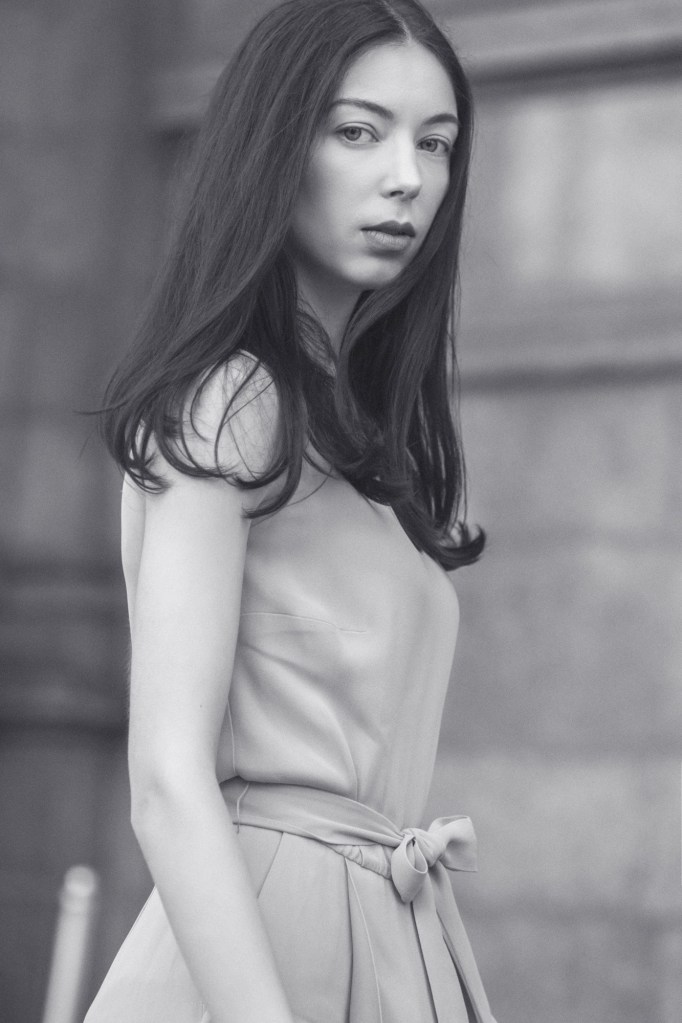
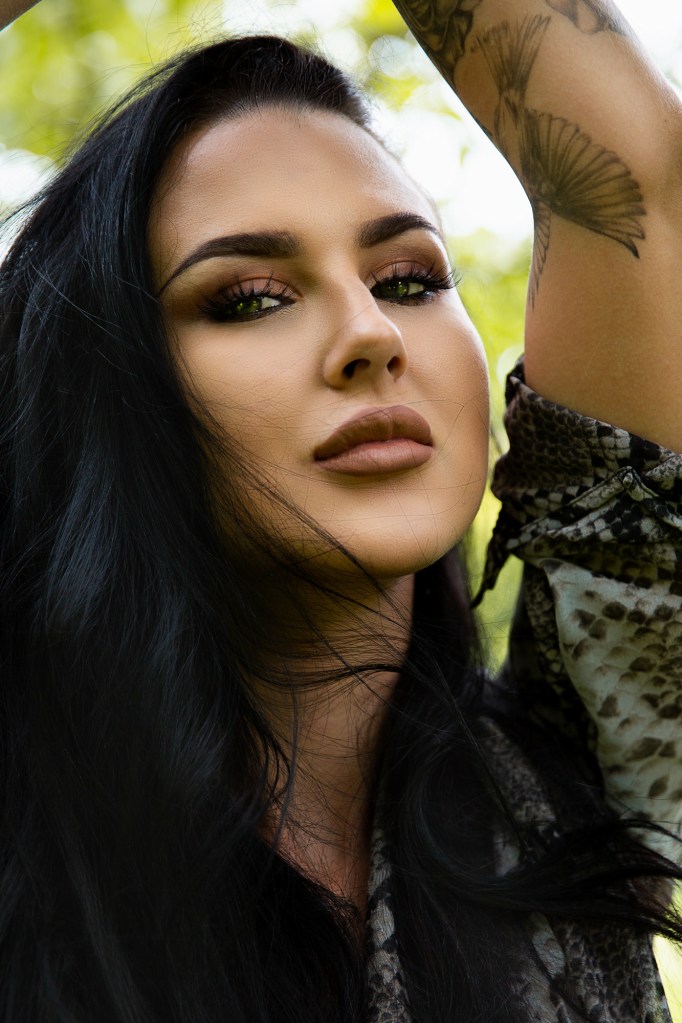
Fashion Portrait Photography
Perhaps a traditional corporate headshot doesn’t float your boat and you’re looking for something more informal for your profile shots. Bryony Photography has 10 years experience shooting many different Genres of photography, so whether it’s a quirky fun profile shot, action shots of you working, or something different, we can offer you a headshot to stand out from the crowd.
Based in East Midlands, Bryony Photography offers creative photography services to Individuals, SMEs and Blue chips alike. Great quality imagery for affordable prices by a photographer with 10 years experience in advertising, commercial fashion and still life photography.
HIGH END STILL LIFE PHOTOGRAPHY
Showcasing products in bespoke settings, with great styling, premium lighting and high end retouching. Quality Still life photography will take your product offering to the next level. Still life photography covers a whole host of different styles of photography from dark and moody naturally lit images like Old Masters Paintings, all the way through to studio lit brightly coloured colour pop images. Whatever your brands vibe, Bryony Photography will be able to create outstanding imagery.
High End Still Life – PRICES STARTING AT £25 INCLUDING RETOUCH
Creative Studio Model Photography
Unlike Ecommerce Photography , creative model photography uses colours, props, locations, styling etc to embody your brand identity. Aspirational and attainable, you can position your products in a way which will most appeal to your customer base. Creative studio photography is an open ended world of creative options, and the sky is the limit with how far you want to push your identity. Whether you opt for something clean and simple like a high key white background, or go for a full set design in bright colours, Bryony Photography can manage your shoot from start to finish with no fuss, no stress, just great images.
Creative Model Photography – PRICES STARTING AT £560
CREATIVE LOCATION MODEL PHOTOGRAPHY
From Street-Style shots in city centres, to beachwear shots off the Gold Coast. Bryony Photography can offer creative model photography on location to suit your budget. Whether you’re a small startup wanting web banners, or a large corporate needing a full creative campaign across all channels, Bryony Photography has a full service creative location package to suit your needs.
BESPOKE CREATIVE MODEL PHOTOGRAPHY – POA
INFLUENCER PHOTOGRAPHY FOR SOCIAL MEDIA
Are you an Instagram Model, Influencer, or Social Media Mogul? Great quality imagery is imperative for your feed to keep people engaged, keep your followers engaged, and enforce your visual identity.
Bryony Photography offers a “Show up and shoot” package for Influencers to help you bulk up your social offering whilst keeping costs to a minimum.
Get in touch to discuss your creative photography on hello@bryonyphotography.com or head over to the contact page.
In the creative industries, more specifically, photography, styling, design, hair and make up etc. The term published literally means that your work has been featured in a publication of some form.
This term used to hold a lot of weight. Magazines were the leaders of the fashion and beauty industries, and they were very particular about who and what was featured in their publications. It was difficult to get published in any official capacity and was seen as a mark of success to have your work featured. Have a front cover on a magazine would have been a career goal to aspire to for a lifetime.
So What has Changed in Publishing?
Being published doesn’t hold the same weight anymore. Online platforms, including social media have knocked magazines and publications off their pedestals and they are no longer the powerhouses that they once were.
The online world has also meant that, what once would have been small local zines printed in the local post office on black and white, and handed round Universities by unwashed students, are now able to be produced more professionally, reach larger audiences and compete with large publications. The easy access to self publication also means that there is little or nothing standing in the way of anyone and everyone creating their own magazines.
The Word “Published” Means NOTHING.
“Published” in now just a Buzz-word used to convince people that a Photographer is successful, legitimate or accomplished. In a similar way to people using the term “Award-Winning” in the film industry, or “Not for profit” in business. These words are not lies… but they can be used to convey concepts which carry more weight than the full truth would. A Photographer who had an iphone picture featured in a local newspaper article about their mum could use the term “published”, and whilst it’s not UNTRUE, it does imply a certain level of achievement which is not fulfilled by the whole story. On this note, much to my shock, I have also seen several photographers refer to themselves as a “Celebrity Photographer” because they have taken a handful of candid celeb shots where the celebrity is CLEARLY just out and about trying to live their life and has been accosted by them…. And I don’t even mean like paparazzi shots… I mean like they had a selfie with a celeb in the street and they cropped themselves out of it for their portfolio.
Paying for Publication
There are a lot of photographers who genuinely haven’t been published, and can’t truthfully say that they have. People don’t want to outright lie… they just want to stretch the thinnest of truths as far as they can. So what do these photographers and creatives do? Everything has a price, right?
Using one of the many “get published” websites , for around $100-200 you can guarantee yourself a front cover, or 6-12 image spread in one of the numerous “Pay per publish” magazines. There are absolutely no details on these magazines about readership or distribution, so it’s obviously not about people getting their names out there. Its just a way of paying for being able to honestly (and I use the term “honestly” pretty fucking loosely) state they have been published.
By all accounts there are many of these accomplishments that can be bought for cold hard cash. I have friends in the film industry and it grinds their gears when they see “award winning” directors, who have obviously bought their award from an unscrupulous source just so they can say that they are AWARD WINNING.
So, Published Photographer? Or not? How do I Know?
First off, it shouldn’t matter either way whether your photographer is published or not. Not really. Unless for some specific reason you are requiring someone with contacts to genuine publishing teams, or you are requiring a photographer with a certain level of genuine kudos, the published status of your photographer with have little to know bearing on the success of your project.
I have worked on major brand campaigns for big brands and retailers during my career, and I have had numerous image featured in magazines as advertisments for those brands and retailers (I don’t believe that technically counts.), but I don’t think I’ve ever been genuinely published in an editorial sense… and I could give a flying monkeys about it… and neither should you.
But if you are genuinely wanting to know If a photographer has been published then here’s a few tips:
Tear Sheets; clippings of the publications will prove that this person is at the very least telling the truth about being published published
Vague statements about being published are not good enough, if someone has been published in a high profile publications then they will include names and dates / issue number as proof.
If you don’t recognise the name of the publication, then it’s probably not a great sign.
If you’re not sure, then you can check on the publications website to see what their submission guidelines are
Get in touch to discuss your editorial photography on hello@bryonyphotography.com or head over to the contact page.




















 Bryony Photography