Photographers in the North… or Midlands

London.

London. London.

LONDON.

All we hear in this industry is that London is where you have to be.

Don’t get me wrong, I love London… for a weekend away.

But with the ever increasing prices of Real Estate in london, the cost of running a southern based business is astonishing, and all those costs are filtered down. Everyone from retailers, to freelancers are charging huge prices to try and maintain the status quo.

There is no reason why you can’t get the same level of quality photography, retouching and graphic design in the North.

The Fashion and Retail industry is booming in the North with major retail head offices

Boohoo

Boots

The Arcadia Group

Sports Direct

Missguided

For the full list, take a look here.

Creativity is alive and well in the north, and can be much cheaper than it’s southern counterparts.

With so much of what we do being online in nature, Social, Ecommerce, location is much less important for the accessibility of your business… but location is very important financially.

Being open to remote / mobile freelancers is so important for your business.

Imagine the cost savings if you outsourced all the following to The North (God THE NORTH… It sounds like the Game Of Thrones, well… winter is coming.)

Social Photography

Lifestyle imagery for emails / instore pos / web banners

Destination photography for Brand Campaigns

Retouching

Remote Photography Services

Having a remote photography service to provide your business with Ecommerce, Social and web campaigns can massively reduce cost. And having a freelancer with a proven track record means you can rest assured that your projects will be completed before the deadline and to the highest imaginable standard.


Why Price Matters in Photography

Recently, i have had a handful of clients haggle with me on price.

Now i completely understand, even big blue chip companies have budgets that they have to stick to, and the small startups are just try to claw themselves out of year 1 without having to sell their car and clothes.

The phrase i hear a lot, about having photos done, is ‘can you do it for cheaper?’ or ‘can you do it for X amount’ and the answer is almost invariably ‘Yes’ because i want to work… i want to offer a great service to my clients and i don’t want them to get ripped off by another photographer, who maybe doesn’t know what they’re doing.

But here’s the thing… as freelancers, we HAVE to make it cost effective for our business , so when a client haggles on the price, what they’re actually haggling on is the amount of time spent on the project.

Lest transpose this to another industry with a hypothetical – A gardener charges £20 per hour and your 0.5 acre garden will take 3 hours a week to keep on top of, that is a £60 total.

You only have a budget of £30. The gardener will likely not work for half the time for free, so he is just going to cut down the amount of time he spends on the project, giving it half the amount of time.

So here i want to just run through a really quick handful of examples of the HUGE difference that the amount of time makes to, not only the actual photo… but the concept/ retouching and overall cohesion of the image.

So here it is, a visual experiment about how much difference time/cost makes to an image.

10 Minute Photography

Approximately 10 minutes, from plonking the product on some acetate (which was already there) taking the picture in natural window light, because 10 minutes doesn’t really afford much time to do a lighting setup. This 10 minutes also includes a quick convert from RAW in lightroom, but no real retouching time.

This is £10 worth of image.

You’ll see that the chrome area is a bit of a mess. Overall tonality is pretty wishy washy because its not lit with any kind of deliberation, though would suit some brands.

Product Photography_10mins

20 Minute Photography

For this one i had a tiny bit more time to play around with putting some lights in there, but not enough time to experiment and get the best combination – so i just chucked together and old faithful set up of key light brolly, and backlight to bleach out the background sufficiently.

The brolly has picked out a ping of light on the chrome which is unpleasant.

Black boards to flag the sides, though you can see that i’ve completely overcooked it on that front because the sides are way too dark.

This received a pretty quick run through lightroom and then an equally quick background removal.

I ran out of time before i could make it look any better.

This is a £20 image.

Product Photography_20mins.jpg

2 Hour Photography

This last one i decided to not really set myself a time limit, and just went to town on it. I took around 2 hours total, including the lighting setup, crafting, lightroom and retouching.

As you can see, this is far superior to the previous images. The lighting balance across the product is great. The chrome is shining without any abstractions. The text is pretty visible even though its white on light blue. Conceptually it works pretty well. Colour wise it is strong.

This is an £82 image.

At this point i think it’s important to point out that once its all set up for one product, you could potentially shoot several of this ‘look’ at a very cost effective price.

The more products you shoot, the more cost effective the whole project becomes.

Product photographer_2hrs.jpg

And here is how it was done:

DSCF5003.jpg

So there it is,  the old adage that ‘you get what you pay for’ rings true on this front.

Head on over to the contact page if you want to get in touch to discuss your upcoming projects.

Parabolic Softbox Review – Lux light

So first off i want to say that i absolutely LOVE all the luxlight products i’ve got. The simplicity of being able to put them up in minutes its soooo great and makes set up and pack up of sets a lot quicker than your standard soft boxes.

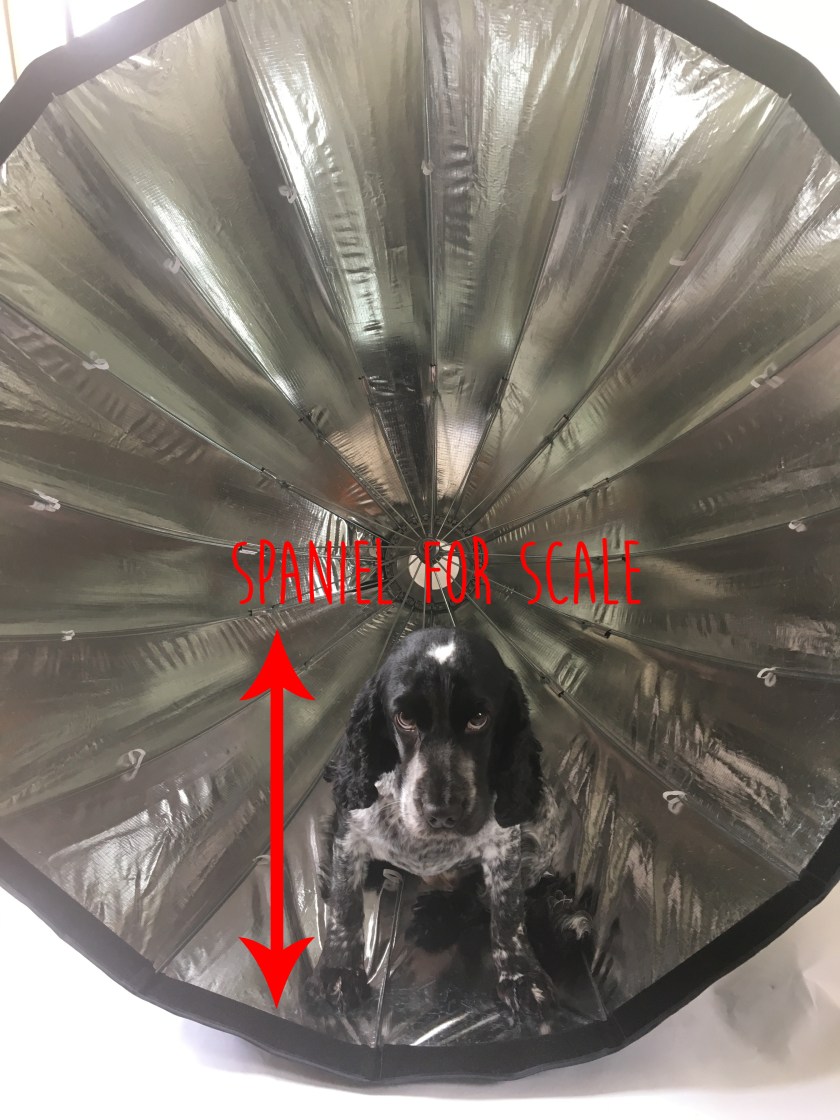
This Parabolic is HUGE

Like….Really huge. I could have a camping holiday in it. Purely because of the size, I would say its probably not for the hobbyist photographer wanting to set up a small home studio, and not for using on any inconspicuous projects where you’re trying to shoot under the radar.

spaniel for scale

If you’re a professional photographer, or have a nice big studio then this is a great addition to your modifiers. It also packs up nice and small for travelling.

Cartoon Catchlights

The light quality from this soft box is glorious. both soft and hard edged at the same time. The depth of the parabolic ensures a lovely gradual drop off on the subject and a gentle transition in tonality. It also creates huge cartoon-like catchlights which I adore.

Large catchlights in eyes

This is a really versatile modifier which would be suitable for portraits, beauty, product and fashion work.

Despite this modifier being quite lightweight, due to the shape and size it puts a little bit of pressure on the kit its attached to, but I didn’t have any problems with my Godox AD600Pros with bowens light stands as long as everything is tightened up properly.

If you’re going to use it outdoors, you would want to have a number of sandbags to hold everything down because I think a slight breeze would send this flying like a hot air balloon.

Will i use this every day? Logistically, Probably not.

Will i WANT to use it every day? Absolutely, and I will be trying to find excuses to use it all the time.

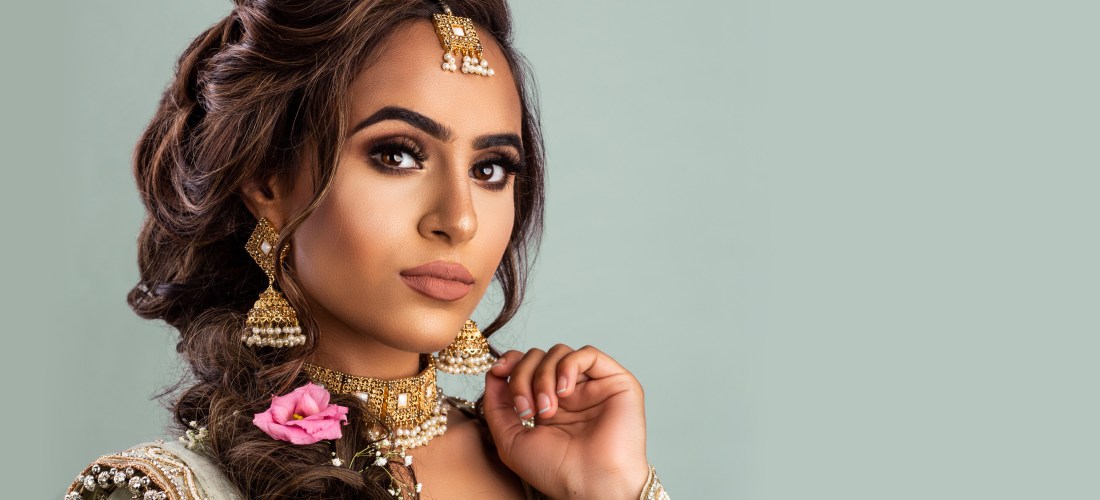
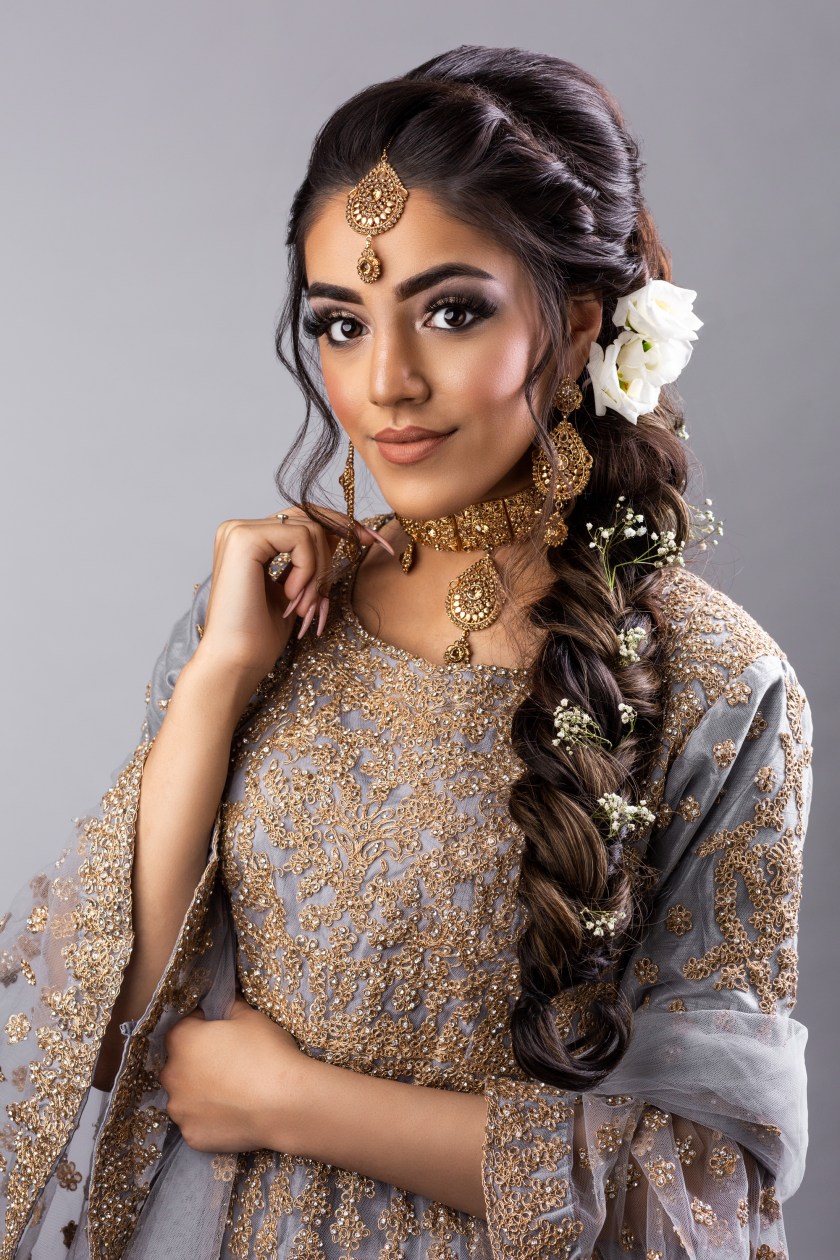
Example images using the parabolic soft box and a lux light strip soft box as a skim.


asain bridal shoot - parabolic softboxAsian Bridal hair

Wuthering Heights Photoshoot

I was in receipt of a a new Lensbaby Velvet 56mm, my new favourite lens, and i wanted to test it out. Its not the kind of lens that i can use in my pro work.

Lensbaby Velvet 56 is Great:

  • Awesome softness to the blur around the edges on anything between f2.8-f5.6
  • Straight up CRAZY blur at anything under f2.8
  • Durable and sturdy manufacture, all metal and glass.
  • Rich tonality and great contrast in the mid-tones.
  • Bokeh for DAYS.

Lensbaby Velvet 56 is Problematic:

  • Manual Focus rules it out of most projects
  • The heavy blur is a niche look
  • Realtime aperture effect makes shooting with flash difficult… and dark
  • The focus can be a bit …iffy – which is likely to be human error not the lens, it only takes for the model (or me) to move a tiny bit and the focus is out.

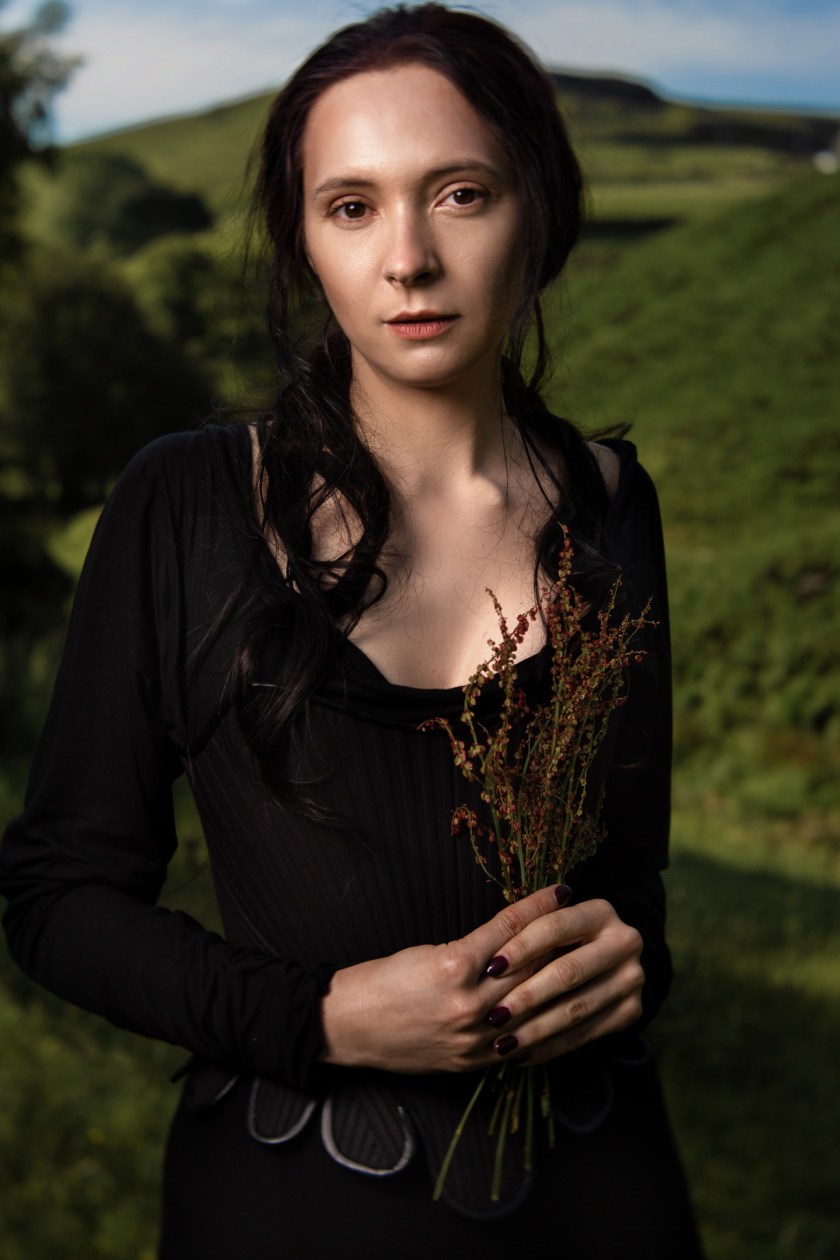
Anyway, here’s one of my faves from the shoot.


Model: Emma Brackenbury

Costume Design: Emma Brackenbury

Hair and Make up: Bianca Priestly

Shot in the north of the Peak district, because we were to lazy to travel all the way up to the Yorkshire Moors.

Background slightly underexposed and then the model lifted using a Godox AD600Pro with a soft box globe modifier.

Wuthering Heights_ Bronte Sisters style Photoshoot.jpg

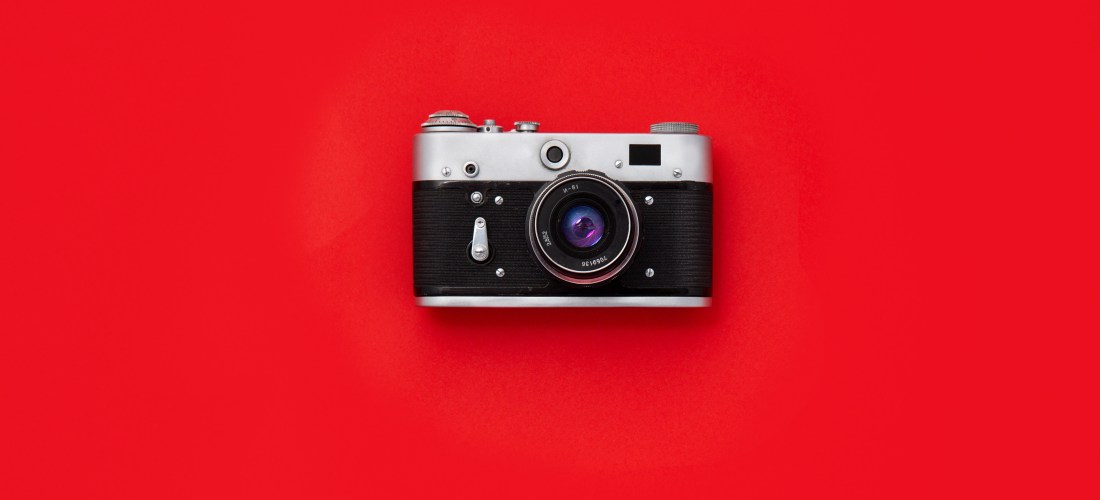
vintage 35 mm russian camera on red

Why is Professional Photography the most fun career

This was initially going to be a post about testing a few different bits of kit that i have added to my stash recently, but then it dawned on me that i was just writing about how fun this all is… so i’m doing a slight sidestep and changing the post to being just about how great it is to be a professional photographer. I will also touch a little bit on the boring bits… for balance.

I see a lot of blogs posts and articles about ‘how to be a freelance photographer” or “how to be a successful photographer” but i dont think i’ve seen any posts that detail WHY you should want to be a professional photographer…. so here it is… My top favourite things about being a freelance professional photographer.

Professional Photography is Creative

Being a professional photographer means constantly pushing yourself to think up new ideas, or new takes on old ideas, or trying out different techniques. I am a super creative soul anyway, so even if you took away the photography and i went to do accounting for a corporate; i would still be making things out of clay, playing the piano, singing, painting etc. in my spare time. Being a professional photographer just means that i get to do this for my main just too. And it’s not just the actual photography and lighting, its set dressing for lifestyle photography, creative solving problems (such as buying car dent repair putty to fix the mannequins and learning how to do that…. yes that is currently happening.) learning how to market yourself in new ways, and putting content out there to get yourself seen.

Professional Product Photographers sometimes get to keep the samples.

I would say on average that i get to keep abut 60% of the products i shoot when i am working on product only work. My track record for Brand Campaign Photography has been a little more thin on the ground unfortunately, with a grand total of about 1 top being gifted because i had ruined my own clothes by getting in the sea.

It’s not something to necessarily expect, but its a lovely little perk when it does happen – especially when you really love the products.

Some of the products include, make up, water bottles, shampoo, electric toothbrushes, supplements, baby products (i dont have a baby… but still), photography equipment… etc…

Freelance Photographers NEED* Expensive Equipment

I feel the need to immediately caveat this with the fact that you can be a professional photographer without having all the top spec state of the art newest kit. There are plenty of photographers who have found their niche shooting with iPhones, polaroid, or older kit. However, it is one of the perks of being a successful freelance photographer that you are able to justify getting yourself new bits of kit and then testing them out in as many crazy ways as you can!

Photographers Meet Incredibly Talented People

Though the industry is big, it is also a very small world and people tend to meet each other and get to know each other along the way. Being a professional photographer means you get to work with incredible talented teams of people. You meet other photographers, videographers, models, agencies, brand managers and many more – all these people help you grow as a creative and increase your connections even further. They also make it mad fun to shoot.

Professional Photographers Travel All over the World

I may be exaggerating with the “all over the world” thing. Most brands have budget restrictions which means you end up in Tenerife more often than not. But you do get to travel around quite a lot – and you’re not stuck in the office all the time.

On the flip side of that – as a freelance photographer you do get to be home quite a bit which sure as shit beats being in a corporate office all the time.


The boring bits – Admin

  • Expenses
  • Accounting
  • Marketing – kind of boring
  • Legals
  • Charging equipment up


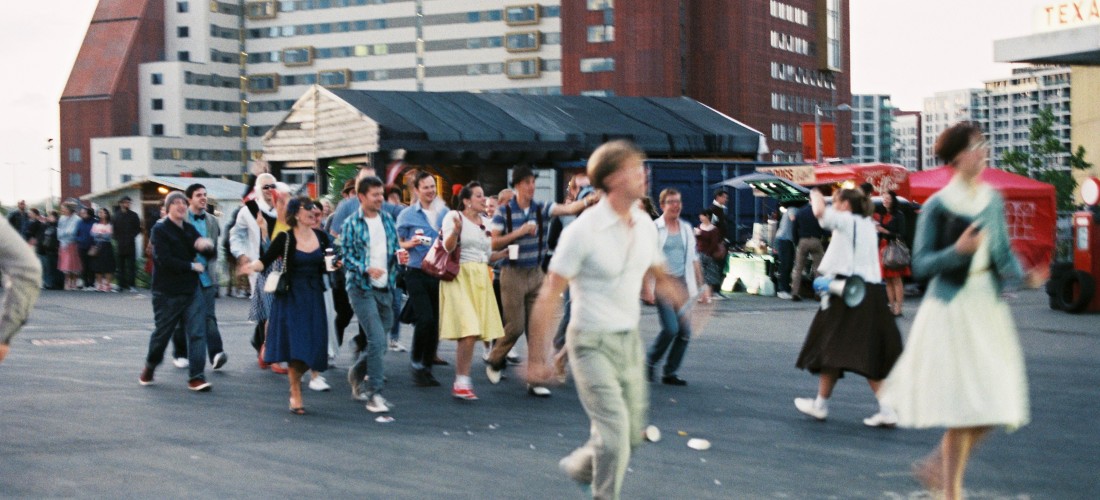
secret cinema crowd

Top Types of Professional Photography

Most photographers specialise in a genre.

Like any profession, photographers tend to specialise in specific areas of the industry and hone their craft towards a particular genre. Most photographers will dabble in every genre but only specialise in a handful. For instance, i do not shoot weddings professionally. Ever. No ifs, No buts. However, i have done weddings non-professionally for a handful of close friends. Same goes for baby portraits.

So what genres are there? And how do you identify the correct photographer to work with on your upcoming project? Here are the main categories, and subcategories of photography.

Fashion and Editorial Photography

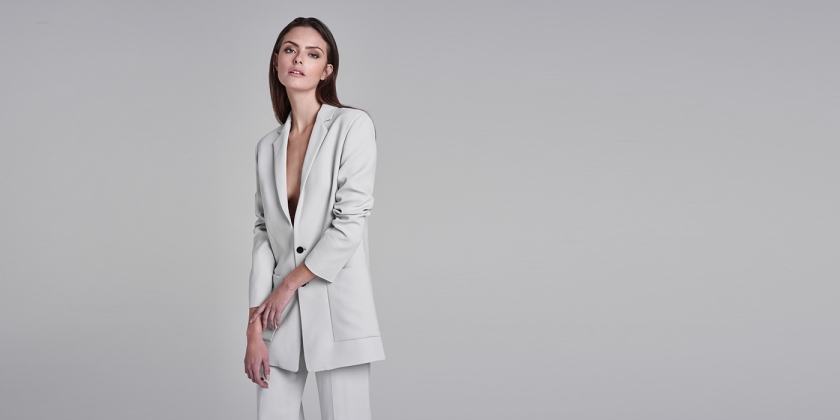
flannels_ss16_00720extended

Fashion and Editorial photographers work with retailers, brands and magazines to create imagery for campaigns, print, web and social. Based in the studio or on location, these can be small productions for startups through to large multinational corporations brand campaigns. In its most basic form, fashion photography is of models advertising clothes. A fashion and editorial photographer will be an expert at lighting for models, and organising productions.

Still Life and Product Photography

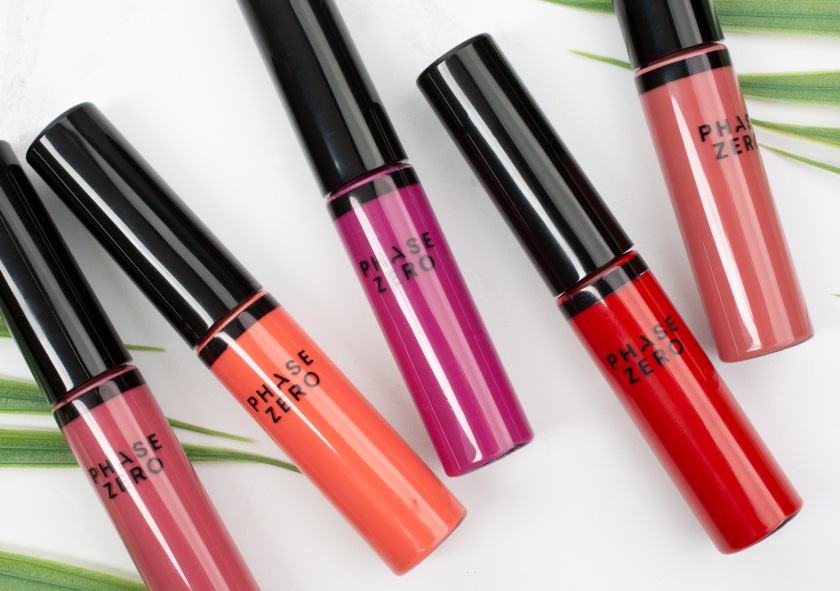
phase zero vegan lip glosses on white with leaves

In its most basic form, still life and product photography is very similar to fashion and editorial, just without the models. Many product photographers will even specialise in the kind of products they photograph, from fast food, to sports cars, handbags to iPhones.  A still life and product photographer will be a master of colour combinations, compositions and fine tuned lighting setups.

Advertising Photography

Nutrition_290mmX440mm_8

Advertising photography is a specialism which is closely linked to the fashion and editorial, and still life and product. the main thing that sets advertising photography aside from these is the specific end usage. An advertising photographer is a studio lighting expert and a retouching master.

Beauty Photography

banner

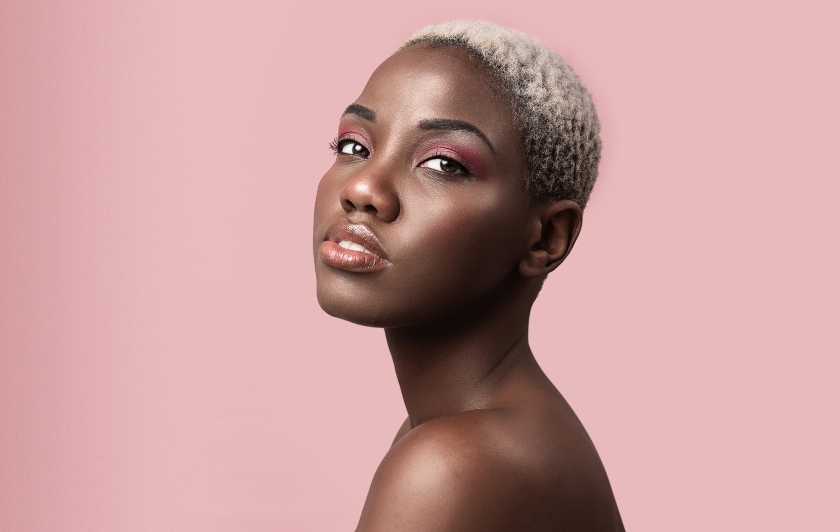
Beauty photographers spend their days photographing the highest cheekbones, the sleekest hairstyles and the plumpest of lips on the elites of the gene pool. Make up brands, hair stylists and magazines are the main clients of the beauty photographer. A beauty photographer will often have a specific lighting style which they adhere to as their brand look.

Portrait Photography

006_bryonyphotography

Portrait photographers are basically exactly like beauty photographers, but they work with the mere mortals of the gene pool. High end portrait photographers will work with celebrities, musicians, actors and politicians. At the lower end you have your high street family portrait photographers which is based around sales. Like the beauty photographers, a  high end portrait photographer will tend to have their own unique (ish) style which they use.

Lifestyle and Commercial Photography

monikh influencer instagram house of fraser

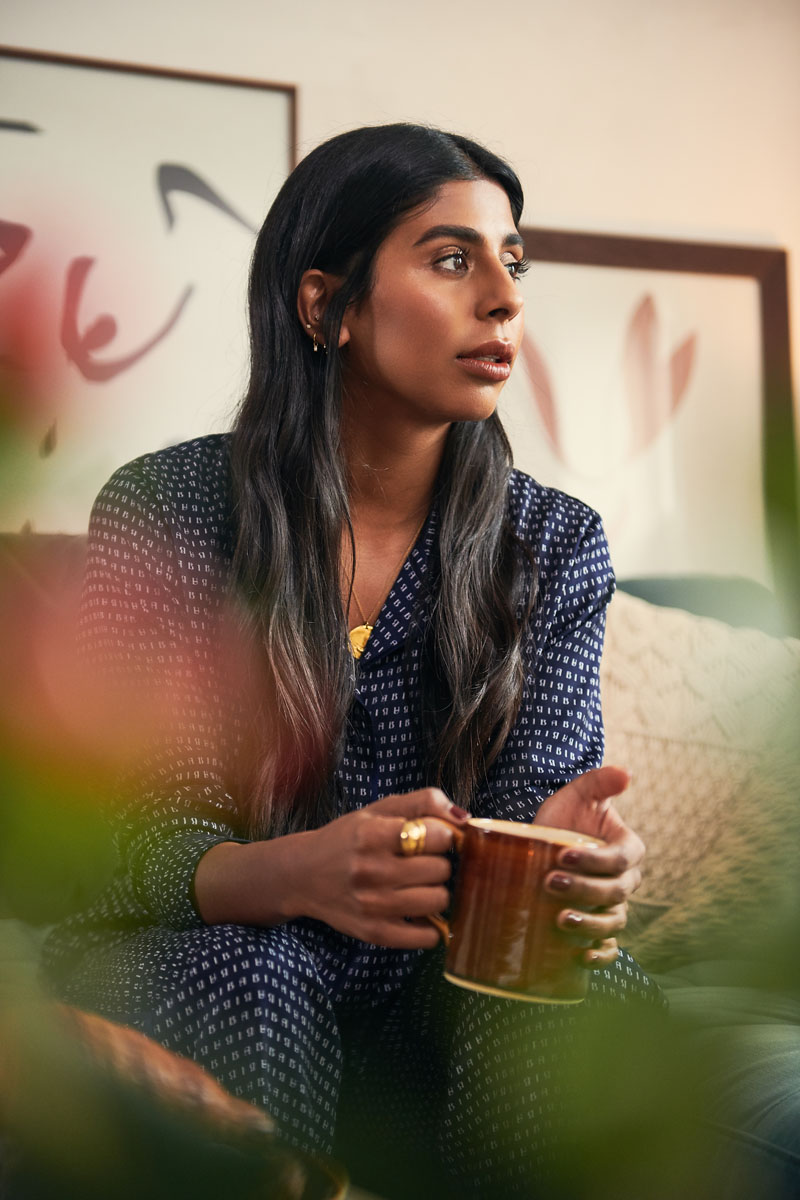
Lifestyle and Commercial photography are not quite the same, but for the purposes of this blog post i have lumped them in together (sorry to all the commercial and lifestyle photographers). Commercial and lifestyle photographers tend to work in the corporate section. Lifestyle and commercial photography can be made up of many of the other genres of photography and is more defined by its usage, or client type.

Wedding Photography

IMG_4355.jpg

This one is pretty self explanatory. wedding photographers can be pretty neatly split into two groups (no i don’t mean good and expensive, and cheap and shite). Traditional wedding photographers who mainly focus on the group shots, and posed shots of the bride and groom, and then you have the reportage style wedding photographers, who will photograph a wedding with more of a photojournalistic or editorial vibe. Wedding photographers are very organised, and work well under pressure.

PhotoJournalism

secret cinema crowd

Photojournalists work in telling a story. Be it for editorial purposes, or for fine art purposes. Public opinion tends to get a bit divided on whether photojournalists should be telling a factually accurate story or not, but the key here is the story.  I would also lump travel photography in here too, because in essence travel photography is telling the story of a location or journey.

Sports Photography

Sports photographers are adept at taking photos of fast things. This is not a belittlement of the genre at all. People always think fashion photographers must have the most expensive equipment, but its actually the sports photographers who have the primo stuff. The fastest kit capable of capturing tack sharp images of subjects moving at high speeds from 300ft away. A good sports photographer will also have a deep understanding of the sports they photograph and will often specialise in specific events to ensure the know exactly when that shutter needs to fire.

Event and PR Photography

Event and Pr photographers are somewhere in between a lifestyle and commercial photographer and a photojournalist. An event and pr photographer works in high pressure environments often capturing moments in time which will not be repeated and often working in the worst lighting conditions (hotel function room…. hello!). Events and PR photographers are unsung heroes of the industry, their work often gets little recognition, they don’t win awards and their photos are often uncredited.

Fine Art Photography

I’ve thrown in fine art photography in here as a bit of a wild card. Fine art photographers are the actors of the industry. Everyone thinks they could be one, but only a handful actually get paid. Fine art photographers can be roughly separated into two fields. Photographers who play with the techniques of photography and photographers who play with the subject matter and technique is secondary.

Architecture and Interior Photography

In the most basic terms Architecture and interior photographers photograph buildings, both inside and out. These photographers are often very adept at using perspectives, crop and natural light to showcase the shape and form of architecture.

Scientific and Specialist Photography

Another slight wild card here. Science and specialist photographers are the documenters of various different fields. Police, museums and hospitals etc. are the clients for the specialist photographer. Often speciality photographer will also be adept at cataloguing and organising, and may have specific training in handling certain items.

body shop body butter flatlay with sunflower and lilly

How to Get the Most Out of Your Lifestyle Imagery

Are you wanting to market your brand on social media. Social media presence now is the bread and butter of your brands presence. As a startup, or SME, this is where you will reach a lot of people on a budget.

Maybe you are struggling to work out how to fill your feeds with quality branded content that promotes engagement, doesn’t bore your audience, and doesn’t seem too pushy.

Here are some ways that you can get the most out of your branded Lifestyle imagery.

Use an Agency or a Professional Photographer. 

As a startup brand you might not have the budget for this… and if you don’t, stick around because it will go into some ways that you can DIY it and keep the costs down. However, your imagery is your shop window… and if it looks like shit, people won’t stop by. Simple as that. Good quality imagery doesn’t have to cost the earth, and can be the difference that promotes genuine engagement converting to sales.

If you can find the budget for it, I would recommend using an agency to manage your social media presence. This is Life Leverage  and frees you up to do the things you need to do to grow your business. Multiply the amount of time you spend on your social media presence by your hourly rate. That is your budget. If you’re interested in learning more about how agencies can help you out with your content and social channels, visit WeAreDeforma.com 

If you don’t feel that you’re at the stage to use an agency for your social yet, then you should consider having a professional lifestyle photographer look at helping you. For a full list of the excellent reasons why you should use a professional lifestyle and product photographer please see my blog post: 5 Reasons to use a Professional Photographer.

If these options are out of the question for you at this point, then there are some DIY tips to make your lifestyle imagery look great:

Visual Style and Consistency.

Identify a visual style which fits with your brand identity. look at what similar brands, or competitors are doing; analyse why they are doing what they are doing, and use it to inform your own style. Pinterestis a great tool for visual ideas, and image inspiration.

Once you have identified you brands visual style, like a logo, DO NOT ALTER IT. Your visual style can become synonymous with your products, and may be the reason people follow you, engage with your content etc.

One way of maintaining consistency throughout is to begin with descriptive words on your brand document to help ground you in the future. clean, airy, bright, crisp – or rugged, textured, natural and earthen are examples of two visual styles described cohesively whilst still allowing for fluctuations in the macro elements of the style.

Some examples of brands that do this well are:

There is a strange phenomenon that once a brand becomes so globally massive that it is its own brand identity – i’m talking, coca cola, macdonalds, oreo, play doh etc. they do a lot less of this – because they ARE their own identity they do not actually need to live 100% by their own visual style on social. However, for an SME or startup, you definitely do want to stick with a style to keep it consistent.

Quality of Imagery

Unless you have access to pro quality photographic lighting, then you want to be aiming to photograph your products in natural light. Natural light will do several things to improve your Lifestyle Photography. Natural light will limit the amount of photographic issues, like blur, incorrect colour balances and noise/grain. Natural light will likely only come from one source (clue… it’s the sun)… or a window so the direction and quality of the light will be photographically attractive.

For your natural light lifestyle photography, I would recommend the following options:

  • Outside in the shade, for a soft light
  • Outside in direct sun for a summery vibe
  • Near a window for soft directional lighting
  • In a white room with multiple windows for an even softer feel. 

Planning the use of images

Always have a plan of how you’re going to present your social lifestyle imagery. Have an idea of the end use. Questions to ask yourself:

  • Will it be used across multiple channels?
  • What will it sit next to?
  • What is going on socially/ globally right now (in case you accidentally post something insensitive)
  • What is my aim?
  • Does this add value for the consumer?

Planning how your images will look next to each other will help you keep your feeds visually cohesive and flowing nicely.

Emotions drive sales

Retail is heavily driven by emotion. There’s a reason why shopping is called retail therapy. Consumers are not buying a product, they are buying a potential feeling, or the end to a potential feeling.

Using your imagery to tap into these emotions is a very powerful tool. Identify how your customers want to feel, and how that fits in with your brand ethos and visual style. The imagery should practically produce itself at that point.

Props / Backgrounds are key to great product imagery

I don’t want to push the professional photographer line too much, because I’m not trying to bully you into using a photographer… however a professional lifestyle and product photographer will have access to plenty of different props and backgrounds.

The correct kind of props and backgrounds will compliment your products, make your imagery look deliberate and confident, whilst improving that all important consistency.


So there it is, just a few handy pointers to help you with your lifestyle and product images for social. If you have decided that this all seems a bit too much and want to discuss the option of using a professional photographer, then please get in touch on the contact page.

Good luck creating!

5 Reasons to Use a Professional Photographer

Everyone knows a hobbyist photographer with a new(ish) DSLR, or a fancy mirrorless that takes a nice snap. The temptation for small brands, and startup businesses to use their mate that likes taking pictures is undeniable. This mate will be cheap, or FREE, and their instagram looks pretty cool, right?

So what are the reasons that you should hire a professional photographer?

1. High Grade Equipment  & Proper Insurances

Whilst it is very true that the Kit does not guarantee great imagery. You could hand a 60k Phase One system to a novice and they would likely produce absolute crap with it.
Skilled use of high grade equipment produces quality imagery.
Photography equipment is undoubtably expensive, and the professional photographer invests in their business with high grade camera and lighting equipment, along with additional back up equipment should the primary equipment fail. Your professional photographer will also have the proper insurances and documentation in place should something go wrong or anyone get hurt.

2. Quality Custom Assets

Stock Imagery is well priced, and can be an option for people wanting to bulk up their assets on a small budget, but often stock imagery is used over and over again by different brands so there is no individuality, along with missing out on building up those beautiful SEO rankings.
Custom content means you get EXACTLY what you want without having to compromise.
High Resolution assets created by professional photographers can be easily used across multiple platforms, from social to store windows.
Professional photographers have training, experience and knowledge of the techniques to create captivating imagery and the industry standards for the various end uses.

3. Experience and Efficiencies

A professional photographer offers a wealth of knowledge and experience which contributes to a smooth production and excellent quality assets.

Imagine the scenario:
Having booked a shoot, you’ve got your model booked, and you’re going to shoot in a city centre street… the model was expensive and your budgets tight, so you decided to scrimp on the photographer and get your mate with a camera to help you out.
 – Unfortunately nobody thought to check the weather, so it rains.
 – No-one has production experience, so didn’t check if there were toilets, the nearest toilets are 15 minute walk away and your female model won’t get changed on site and insists on going to the toilet each time which eats into the shooting time.
 – The complicated weather scenario fogs up your mates lens and all the images are a bit foggy and blurry.
 – The police move you on several times, because you don’t have a council permit to shoot, and the general public are getting in the shots.
 – The photographer is stressed and it makes the model uncomfortable, so she looks pissed in all the shots.
 – After the shoot, it transpires that the photographer didn’t back up the shots properly and he’s lost half the images he took.
This is a disaster scenario, and it is statistically improbable that all of these issues would happen. But its not beyond the scope of reality that a couple of these things, or similar issues could happen.
A professional photographer has years of experience doing this job day in and day out, all culminating in an intuitive understanding of photography, production, shoot logistics, copyright law, the weather, light etc. This means your shoot will run as smoothly as it can do, and your time and money will be efficiently utilised.

4. Post Production and File management

Professional photographers have access to high grade software for the post production of images.

Retouching is a large part of the image making process. Removing unwanted items / blemishes, crease removal, brightening , sharpening, skin cleaning, stray hairs, colour grading etc. All of these add up to the slick finished piece which will proudly showcase your business or products.
Also, a professional photographer will safely  and securely store your images with additional backups, should the worst happen. I store client images for 2 years, unless requested otherwise, in accordance with GDPR regulations, which means if your IT systems fail – you still have additional back up imagery.

5. Industry Knowledge and Contacts

A professional photographer can help you get the most out of your shoots with industry knowledge, advising you on model booking, location sourcing, product prep, concept work, budgeting, council permits, legislation and copyright law, to name a few.
A professional photographer also has contacts with agencies, freelancers, and industry professionals and can put you in touch with the right people to help progress your brand and business.

In summary, when you hire a professional photographer, you are taking the risk out of the project, ensuring you get the best out of your budget, and helping to promote your business.

If you’ve read this far then you must be of the belief that booking a professional photographer is the best course of action, so why not get in touch today and see how I can help you get your project moving.

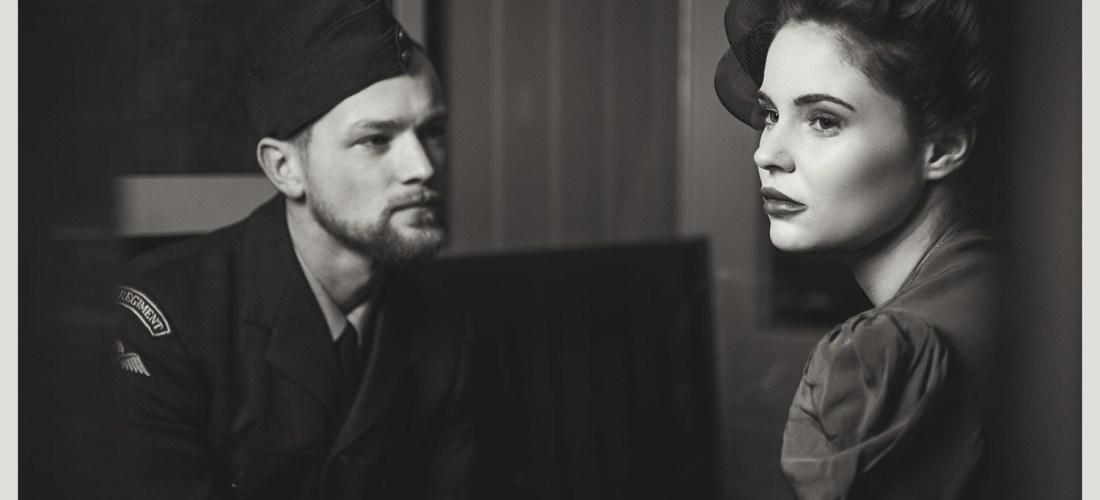
Vintage fashion photography – WW2 Test shoot

I don’t normally take on Test Shoots very often, but occasionally one comes along that you just cannot refuse.

The make up artist Bianca had posted on a facebook group requesting a vintage fashion photographer and models for a WW2 look that she had been wanting to do.

Now, i’m going to be completely honest, normally i find the amateurish 1940s looks that hobbyist photographers do absolutely criminal to behold. I hate them, and unfortunately they are so prolific amongst the hobbyist groups that we are swamped with them.

However, i saw this casting call, and i thought… what if we did this WELL. What if we really authentically tried to recreate the look and took some genuine 1940s style editorial images.

There was another reason why this really appealed to me:

My grandparents met during the War, my grandmother was an air raid warden and my grandpa was an RAF pilot. My grandpa always said that he saw my grandmother across the street (she was wearing red shoes) and he told his friend, before he’d even spoken to her that he would marry her. He was in a plane crash (survived with broken legs and fractured skull) during the war on a recce mission and was stranded on kinder scout for over 24 hrs in the freezing cold. My grandma looked after him, he was told he would never walk again,but with her support he did, and they went on to have family and a full incredible life until they passed 4 years ago within months of each other at a ripe old age of 91 &92.


In essence, it was the make up artists shoot, she was great in organising the many elements, such as models, and location; The Vintage Carriages Trust, and the models Kennedy and Dathan Had great links with a small vintage shop in Haworth called The Souk who supplied all our clothing and accessories.

I rocked up as the Vintage Fashion photographer at the souk, and it was really nice to have some input over the outfits. So often when i am working as a brand marketing photographer the outfits are already mainly compiled, so i only really get a say over whether i think they work from a styling point of view or not.

The chemistry between the models was excellent, it helps that they are an actual couple.

Big thank you to the whole team that worked on this project on a bank holiday!

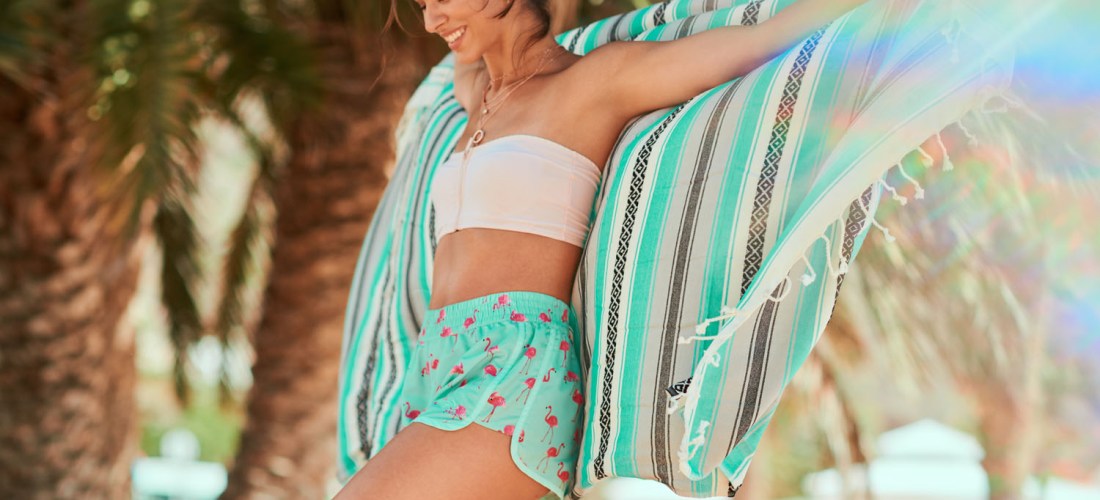
zoe thresher beach towel flare photography tenerife

Fashion Photography – Beach Wear Tenerife

What goes on behind the scenes to create an awesome spring/summer beach campaign?

There is something about a Beach Shoot that just brings out the best in everyone. Maybe it’s all the vitamin D, or the post-shoot beers sat outside a bar in the warmth, or maybe it’s just that working in the sun makes everything that little …. more beautiful.

This was a 2 day shoot for stills and video for the SS19 Beachwear / Summer campaign.

The shoot overview:

  •  Natural Lifestyle photography
  • Group of models hanging out at the beach
  • Destination Location –tropical beach –must include lots of greenery/palm trees and shaded areas
  • Props –jeep/truck & surf boards

for the following usage, which is the bread and butter of a brand marketing photographer:

  • Windows
  • Instore POS
  • Social
  • Homepage, landing pages for web
  • Content for Email Marketing for a 5 month period.

The imagery brief was to create lifestyle photography with the vibe of the images below, but with a brighter colour palette, and more candid.

:Screenshot 2019-04-26 23.24.04.png

We had such a great team, with four incredible models who made it a giggle and kept us all entertained for the two days, especially on our Karaoke Wrap Party.

Hair and Make Up was by the wonderful and very talented Lucy Jones.

The production company, who made sure we were all comfortable and well fed for the two days was the incredible Canary Film Locations ; such a great team of people who really do go above and beyond to help you create the shots you want.

Behind the scenes shots, ranging from nice and tame beach shots, to £70k worth of equipment and the crew in the water on a flamingo lilo.

All in all, i’m really happy with the shots that we got. They encapsulate the brief, albeit slightly more commercial than the image brief, but thats what they want, the product looks great, the models are gorgeous. Boom. For a brand marketing photographer , that is Happy Days.